Sports
England’s World Cup burden grows as 60-year title wait continues
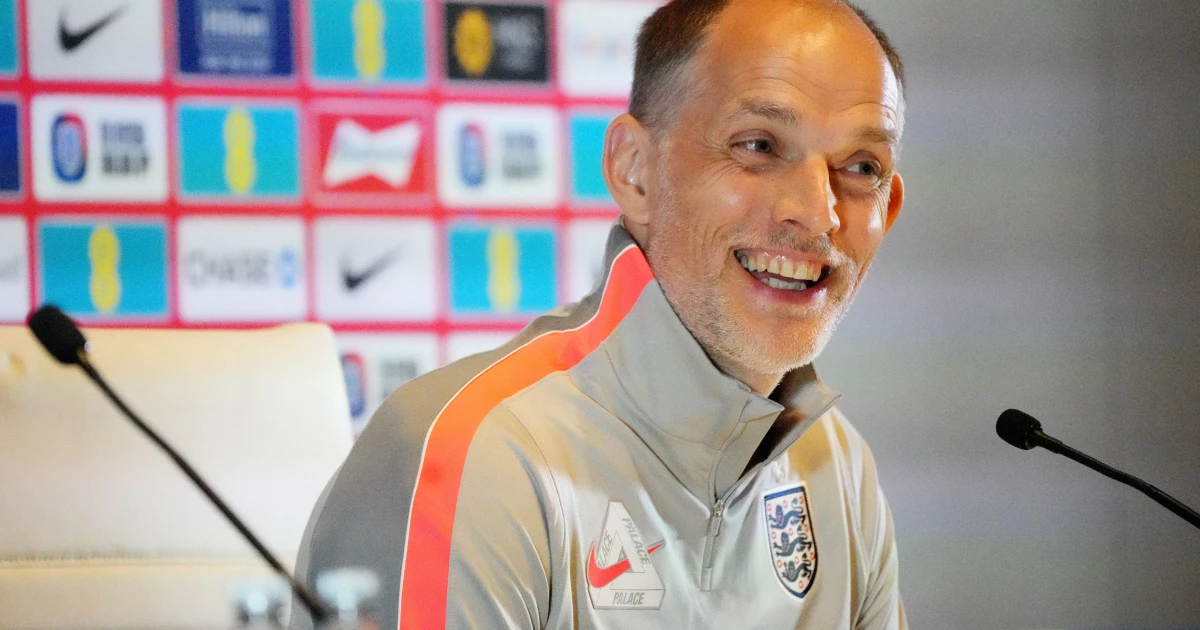
England will take part in a 17th World Cup in 2026, their eighth in a row, with a national record still defined by one title and decades of disappointment. FIFA’s numbers capture the scale of the burden: England have won the tournament once, at Wembley in 1966, when they beat West Germany 4-2, and have spent every edition since then chasing a second crown that has never come.
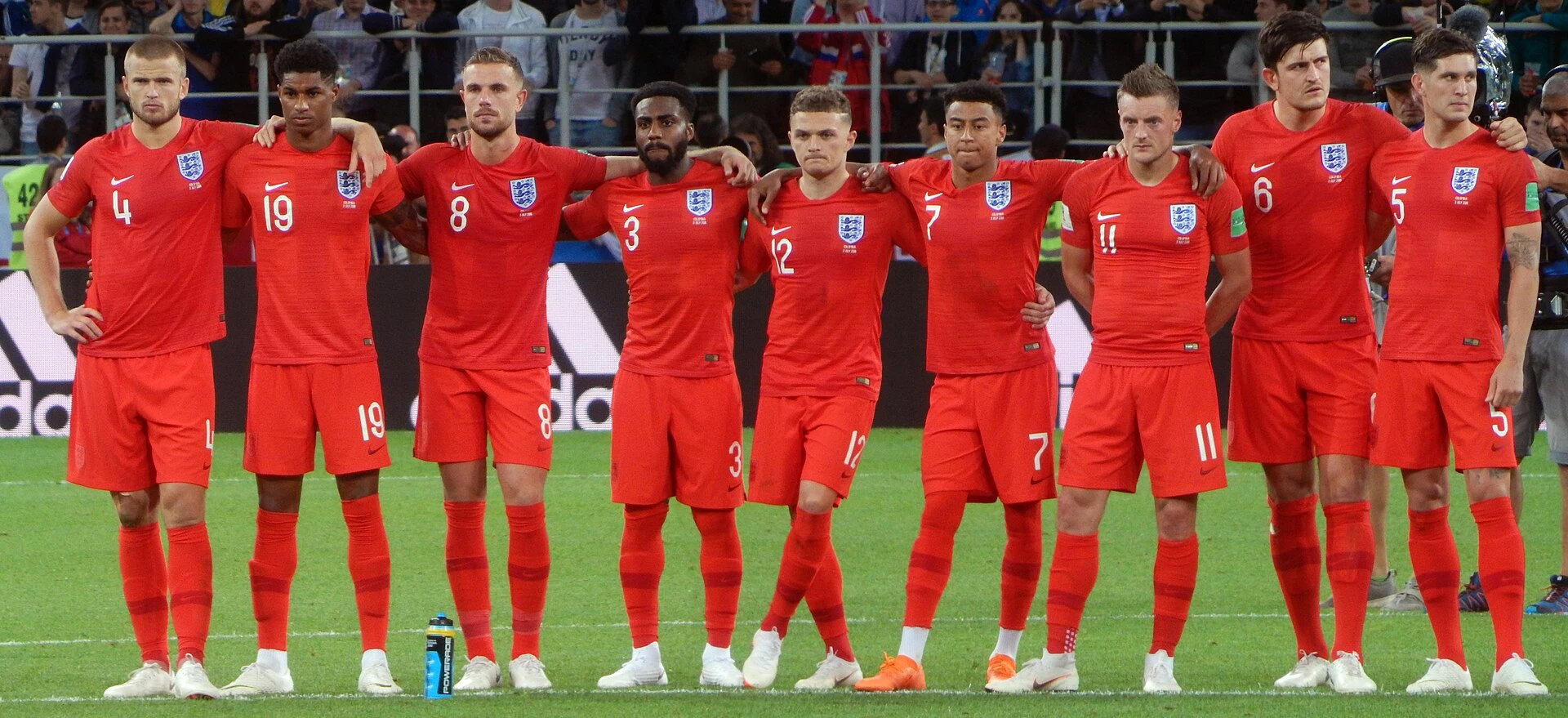
That history starts with one of the World Cup’s earliest shocks. England entered the tournament in 1950 and lost 1-0 to the United States, a result that became part of football folklore and a warning about what happens when reputation collides with reality. The team has reached the semi-finals only twice since that 1966 triumph, in 1990 under Bobby Robson and in 2018 under Gareth Southgate, while also making the quarter-finals five times. For a country that has long talked about itself as a football power, the gap between expectation and outcome has become part of the story.
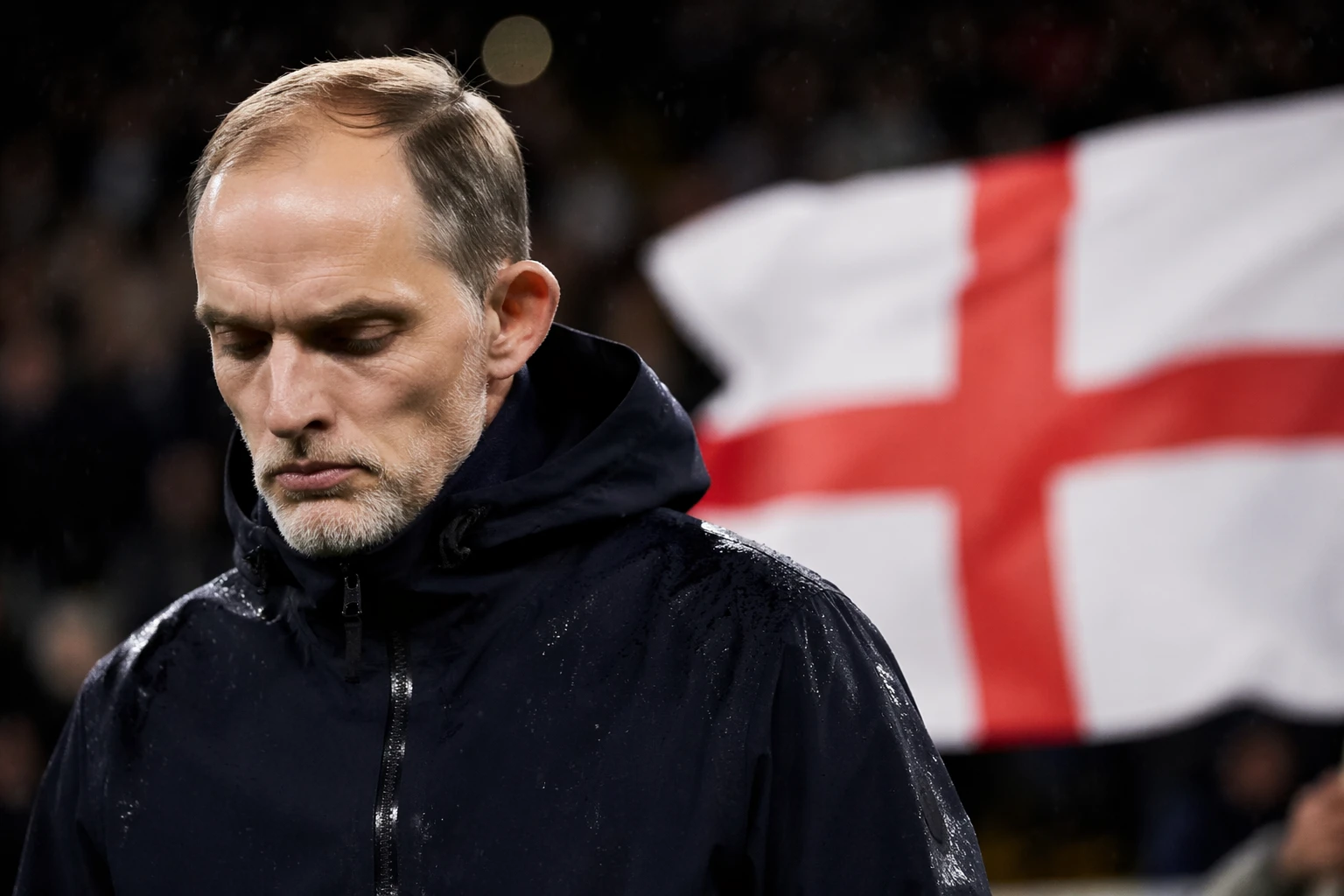
Thomas Tuchel has tried to reset that mood before the 2026 tournament. He has said England should be expected to win, but he has also pushed the squad to play with bravery and without fear. FIFA says England qualified for the competition with a 100 per cent record, a detail that strengthens the sense that this group enters on merit, not hope alone. Harry Kane, Jude Bellingham and the rest of England’s core now carry not just the usual pressure of a World Cup run, but the weight of a 60-year wait that has grown into a national habit.
The psychology of that wait reaches beyond the pitch. Sheffield, in South Yorkshire, is a historic steel city and one of Britain’s emblematic industrial centres, a place shaped by coal, steel and the rise of modern working-class football. Britannica notes that professional football developed alongside industrialization and urban leisure in Victorian Britain, which is why the English game has always been tied to labour, identity and local pride as much as to results. In that setting, England’s World Cup obsession reflects more than sporting ambition. It turns every tournament into a verdict on decline, memory and what the country thinks it has lost.
Sources
- [1]nytimes.com
- [2]fifa.com
- [3]britannica.com
- [4]learn.englandfootball.com