Politics
England's World Cup dream ends as Burnham eyes Mahmood for chancellor
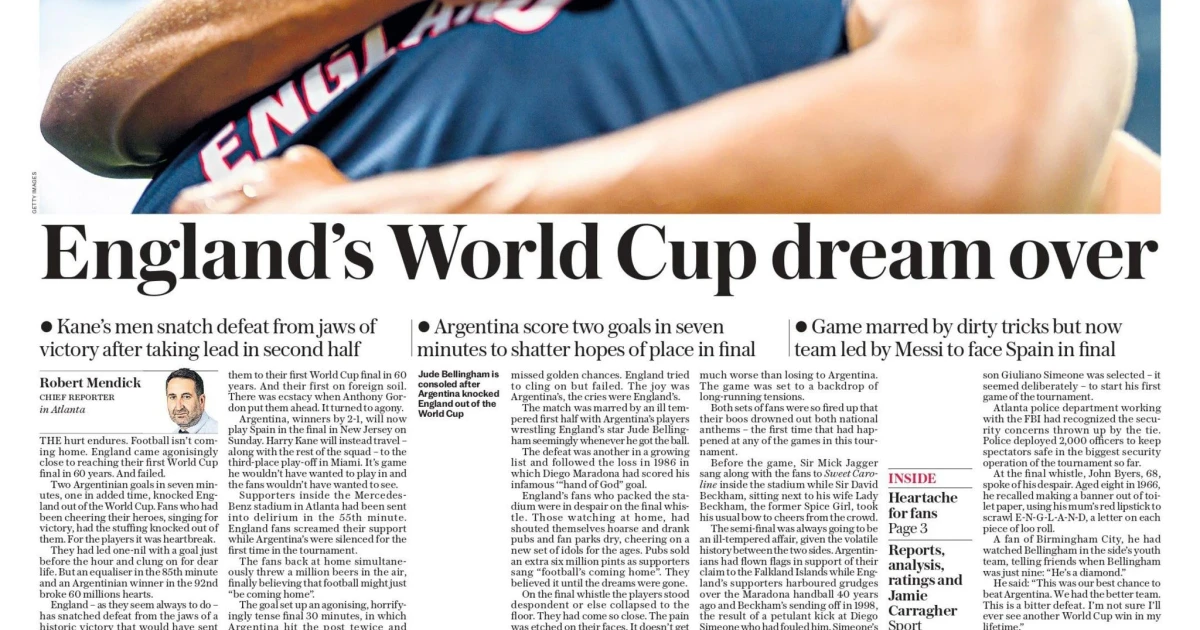
England’s World Cup dream ended in Atlanta as Argentina came from behind to win 2-1 and set up a final against Spain on Sunday. Anthony Gordon had put England ahead 10 minutes after half-time, but Enzo Fernández levelled before Lautaro Martínez struck the winner in stoppage time.
The defeat gave the morning papers a stark split-screen: one side of the news agenda focused on a late collapse on the pitch, the other on a leadership manoeuvre in Labour politics. Andy Burnham is now widely expected to appoint Home Secretary Shabana Mahmood as chancellor, after objections hardened to his original choice, Ed Miliband.
Miliband’s past as Labour leader and his harder line on net zero were central to the resistance around him. Mahmood is being cast as the more market-friendly option, a figure who could reassure investors as Burnham’s team takes shape. Her recent prominence on immigration policy has also strengthened her position inside the party, giving her a profile that reaches well beyond the Home Office.
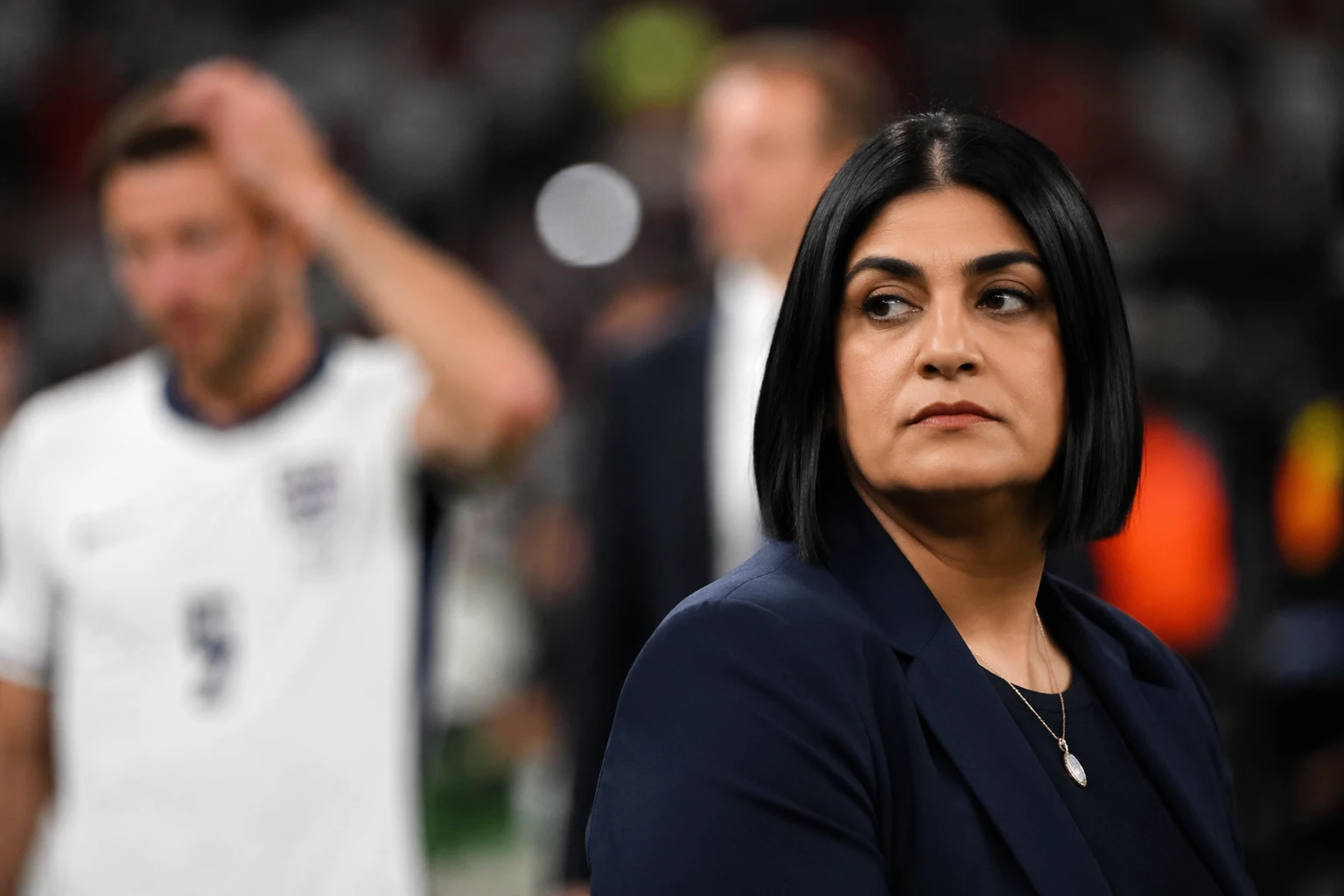
The pairing of sport and politics has dominated the national mood because both stories carry a sense of national identity under pressure. Argentina’s late recovery pushed England out at the semifinal stage, while Burnham’s emerging reshuffle signals a different kind of contest, over credibility, economic confidence and the direction of Labour’s appeal.
There is also an echo of an older Treasury era in the Mahmood speculation. Gordon Brown, chancellor from 1997 and later one of the most powerful figures in modern UK politics, once caused controversy by backing England to host and win the 2018 World Cup rather than Scotland. That detail gives the current headlines an added historical charge, linking football symbolism to the habits of power around HM Treasury and Westminster.
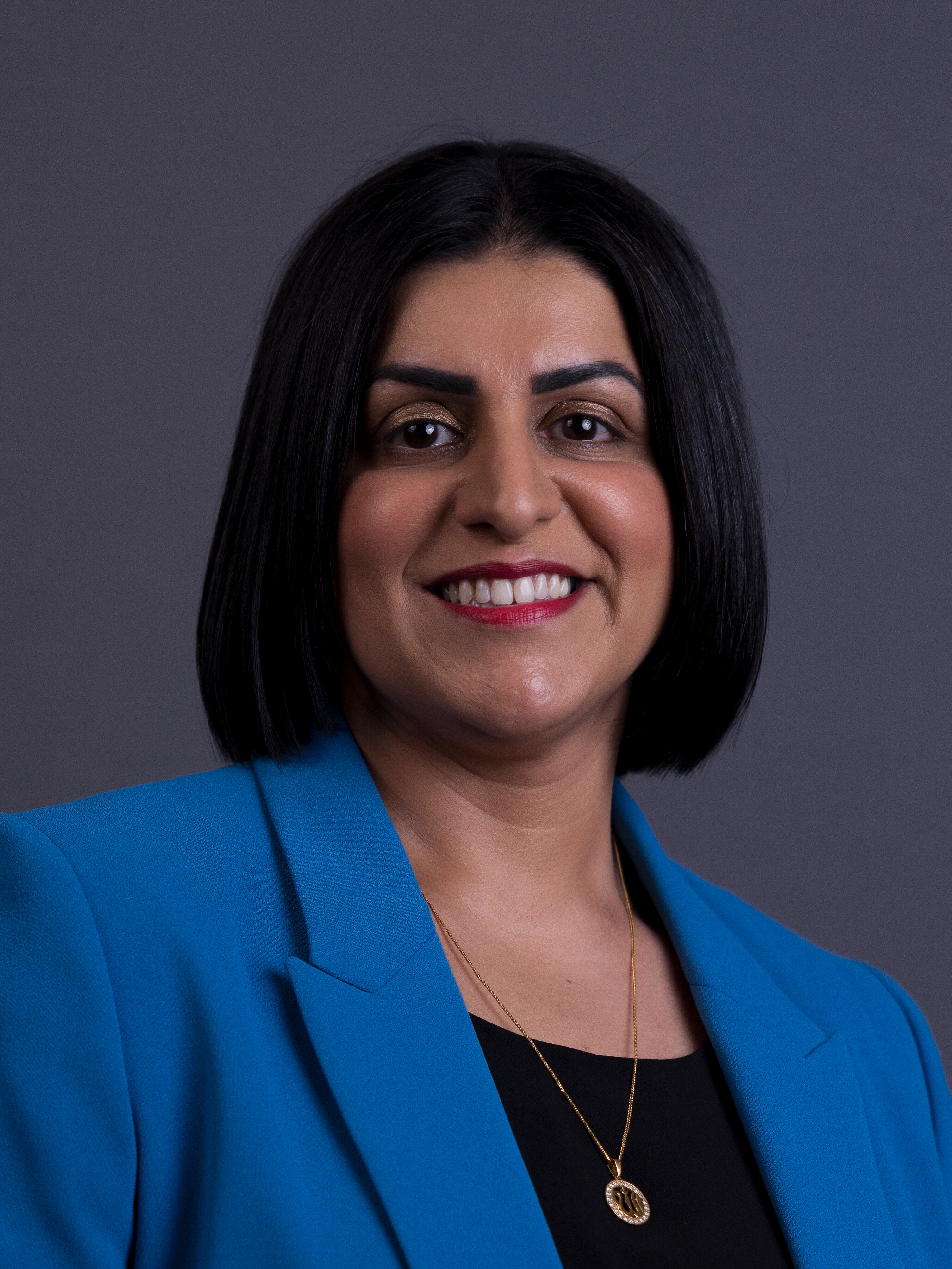
For readers scanning Thursday’s front pages, the contrast was clear. The tabloids leaned into the agony of England’s exit and the emotion of a late comeback in Atlanta, while the broadsheets treated the Burnham-Mahmood move as a test of political judgment, signalling that the week’s biggest questions were being decided as much in party rooms as on the pitch.