Sports
England's World Cup route to the final shaped by seeded bracket
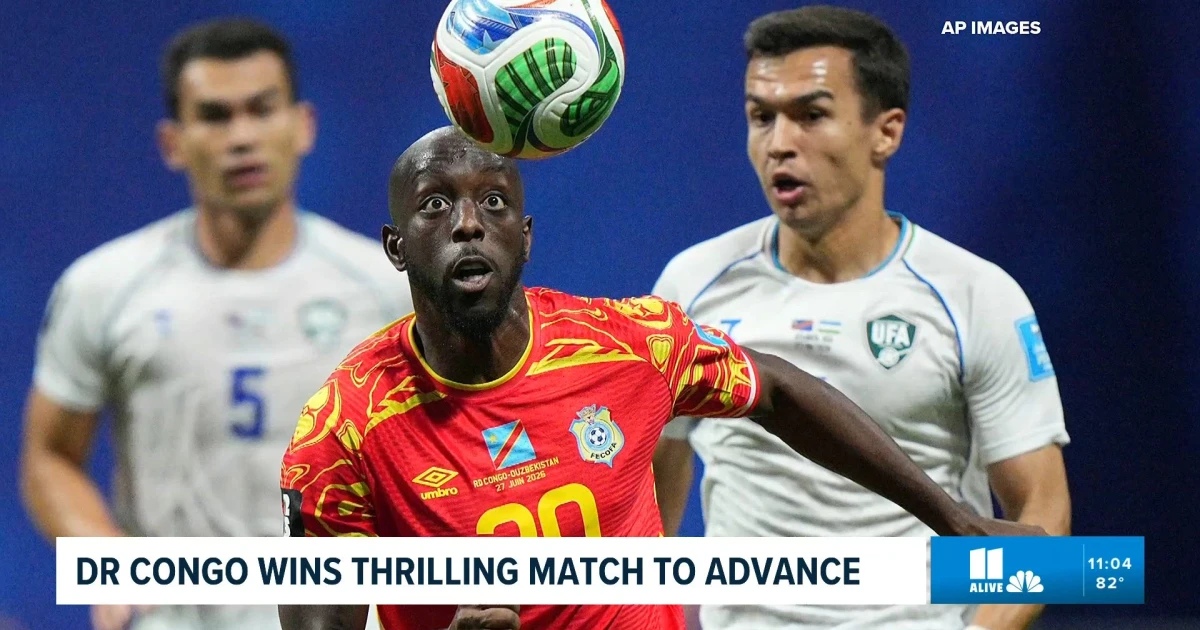
England’s reward for winning Group L is a knockout path that looks manageable on paper and dangerous in the details. Thomas Tuchel’s side meet DR Congo first in Atlanta on 1 July, and the bracket only stays kind if England turn the leverage of top spot into a clean start. If they do, the road toward the 19 July final in New York/New Jersey could run through Mexico, Brazil and Argentina, with France held back until the last match if the seeded structure holds.
How the seeded bracket changes England’s outlook
FIFA introduced a Wimbledon-style seeding system for this 2026 tournament to keep the biggest nations apart until the later rounds. In a 48-team World Cup with a round of 32, that matters more than in older formats because the group stage does not just decide who advances, it determines the quality of every step that follows. Top spot can mean a more manageable early bracket; second place can pull heavyweight opposition forward by a round or more.
England’s position after the win over Panama shows why that edge matters. Winning Group L secured passage to the last 32 as group winners, which means the Three Lions avoid the immediate uncertainty that comes with finishing second and landing on the tougher side of the draw. The bracket is not a guarantee, but it does create a clearer lane than the one England would have faced had they slipped in the group.
DR Congo is the first real pressure point
The first knockout tie is still the one that can undo everything. DR Congo reached the last 32 as one of the eight best third-placed teams, and that makes them the kind of opponent England cannot treat as a placeholder. Third-place qualifiers often arrive with little to lose and enough quality to punish a slow start, especially in a one-off match where control matters more than reputation.

The Atlanta fixture on 1 July is where England’s route becomes tangible. It is not just the first match after the group stage, it is the match that decides whether the rest of the bracket becomes a discussion about opportunity or a post-mortem about waste. Tuchel’s team have the better seed, but the bracket does not soften the basics: one bad half, one missed chance, one defensive lapse, and the supposedly favorable route starts to work against them.
Why the next rounds could suit England more than they look
If England clear DR Congo, the draw opens into a sequence that is difficult but not hostile. Reports around the bracket point to Mexico in the last 16, Brazil in the quarter-finals and Argentina in the semi-finals if the seeded path holds. That is a serious climb, but it is also a climb that delays the most feared opponents until England have already banked at least two knockout wins.
Mexico would bring a different kind of challenge from DR Congo, with the co-host advantage and the expectation of a lively, high-tempo environment. Brazil would raise the technical ceiling sharply in the quarter-finals, while Argentina in the semi-finals would be the kind of opponent that usually punishes any team that has relied too much on structure without enough attacking precision. England’s route is favorable not because those teams are easy, but because they are spaced out in a way that preserves time to settle.
France, and the value of being on the right side of the bracket
France cannot be met until the final if the seeded bracket holds and the top seeds continue to progress. That alone explains much of England’s opportunity. In tournaments like this, one of the biggest advantages is not having to solve every major contender at once, and England’s route keeps that most dangerous collision until the end.
That matters because England are chasing only their second World Cup title, 60 years after 1966. The historical weight of that chase is obvious, but the practical consequence is even sharper: a cleaner path increases the odds that England arrive at the final with energy, momentum and fewer physical scars. A seeded bracket cannot win the tournament for them, but it can stop the route from becoming the obstacle.
From Atlanta to New York/New Jersey
The shape of the journey is already clear. England start in Atlanta on 1 July, then move through a bracket that could carry them past Mexico, Brazil and Argentina before a final scheduled for 19 July at New York/New Jersey Stadium. Every stage is defined by the same principle: group position matters because the round of 32 changed the math, and the seeded draw rewards the teams that handled the group stage properly.
That is why the Panama result carries more than simple qualification value. It fixed England on the side of the bracket that keeps France out of reach until the final, and it bought Tuchel a route that is manageable if England’s own standards stay high. The space is there, but the bracket will only stay favorable if England make the first knockout match look like the beginning of a run, not the end of one.
Sources
- [1]bbc.co.uk
- [2]skysports.com
- [3]telegraph.co.uk
- [4]espn.com
- [5]sports.yahoo.com