Sports
England's World Cup summit remains elusive after decades of heartbreak
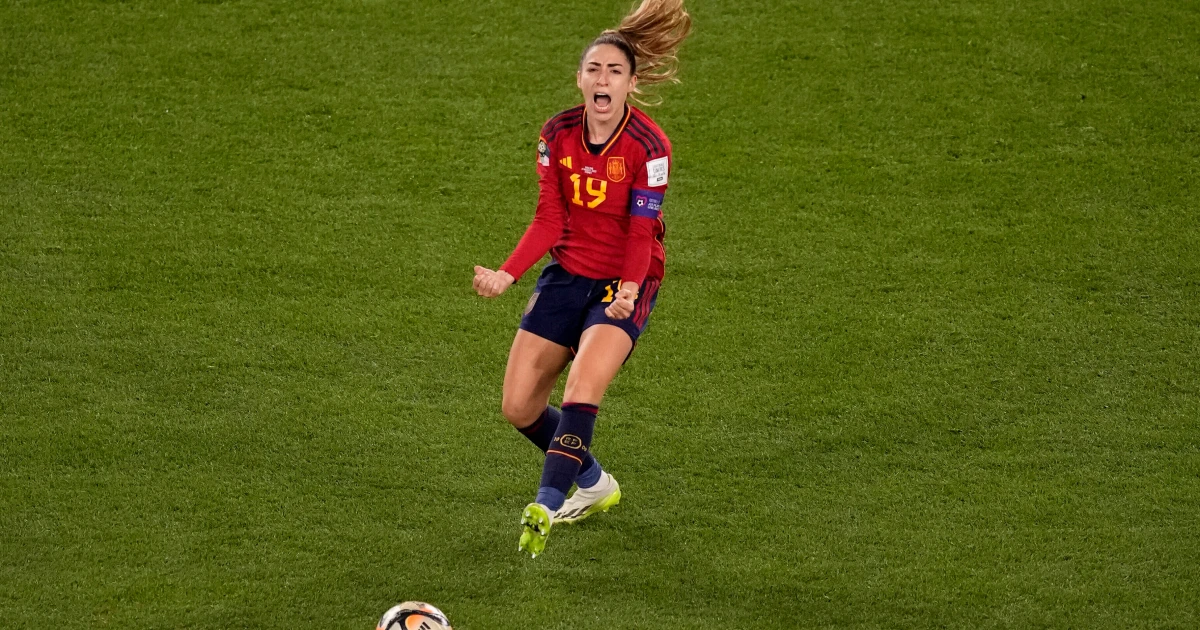
Olga Carmona’s 29th-minute strike in Sydney denied England their first Women’s World Cup title and added another chapter to a story that began with the men’s only triumph in 1966. Mary Earps kept England alive by saving a second-half penalty from Jenni Hermoso, but the goalkeeper’s immediate reaction captured the scale of the setback: the loss was “really raw” and “gutting,” because England had come to win gold, not silver.
That is the standard against which every England generation is now measured. Alf Ramsey’s side beat West Germany 4-2 after extra time at Wembley in front of 96,924 spectators in 1966, with Geoff Hurst scoring the first hat-trick in a World Cup final and England and West Germany sharing a remarkable 62 shots, 31 apiece. FIFA’s history of the tournament records that home victory as England’s only World Cup semi-final win to date, a 2-1 defeat of Portugal in the same summer.
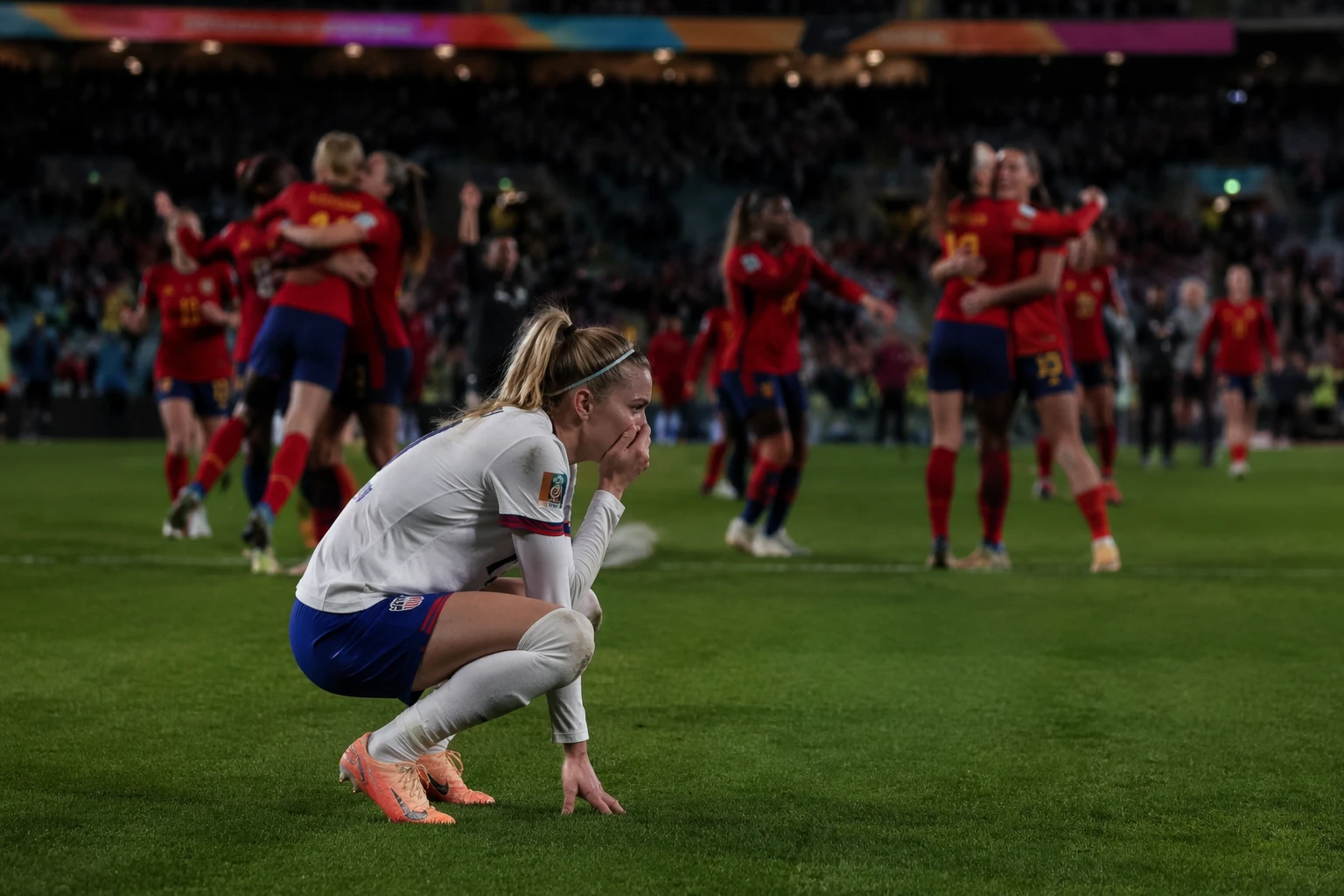
Since then, the men have twice fallen at the last hurdle before a final, and both exits underlined how fine the margins can be. England lost to West Germany on penalties in 1990, then went down 2-1 to Croatia after extra time in Moscow in 2018. Those defeats did not come in the early rounds; they came when England were one result away from a place in the final, reinforcing the sense that the country has repeatedly built teams capable of reaching the brink without crossing it.
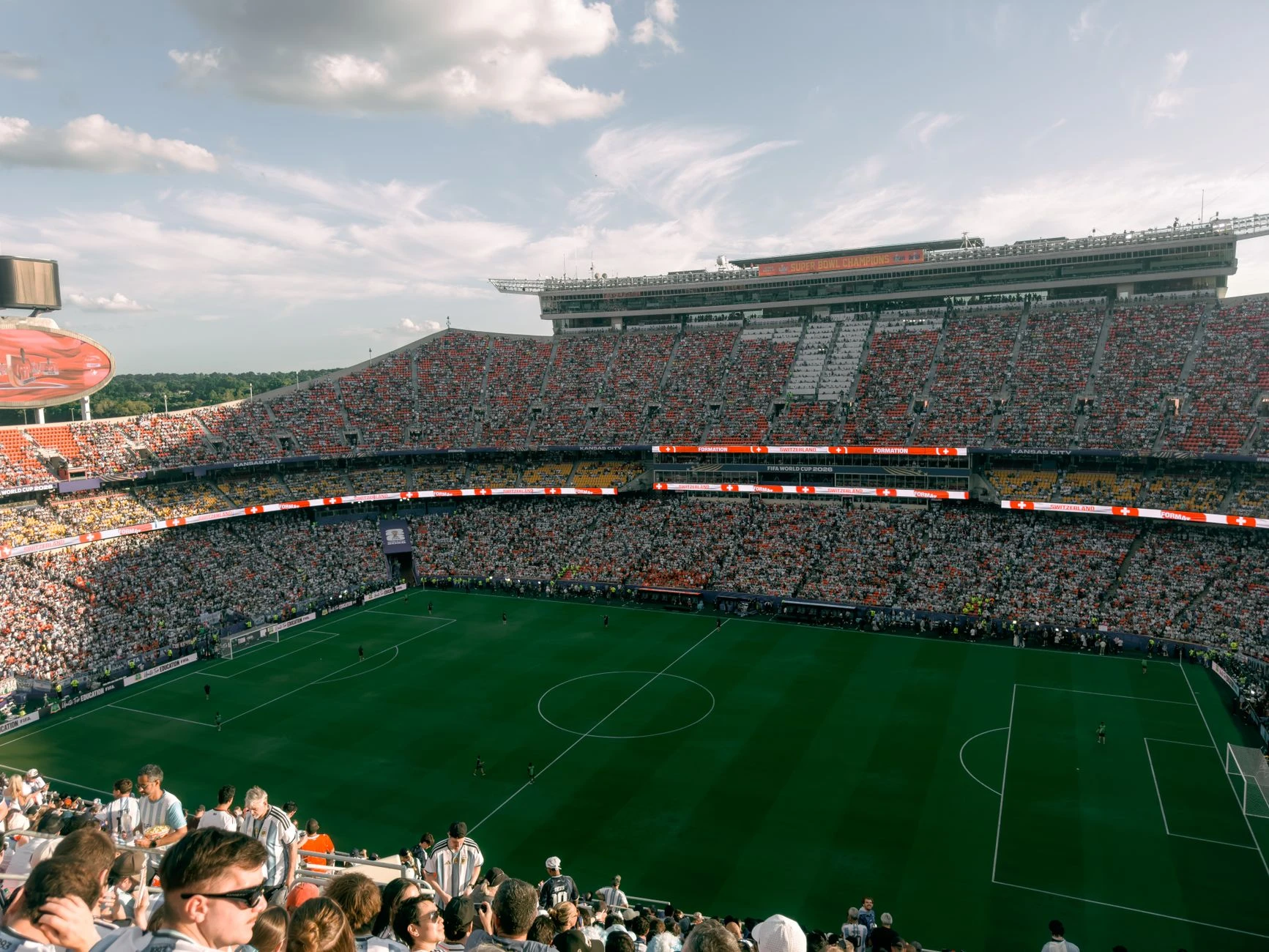
The women’s run in 2023 showed how much has changed and how little has. Under Sarina Wiegman, England reached their first World Cup final and their first major global final, only to be beaten by Spain, whom FIFA described as a dominant and deserved winner. The contrast with the men’s 1966 success is stark: one title in nearly six decades, then a sequence of near-misses across both codes, from Wembley to Turin, Moscow and Sydney.

That pattern points to more than bad luck in knockout football. England have produced elite coaching, from Ramsey to Wiegman, and squads talented enough to reach semi-finals and finals, but the same problems keep surfacing at the decisive moment, whether in penalties, extra time or a single lapse in the box. Until England can turn those narrow losses into one more final victory, 1966 will remain both the summit and the reminder of how long the climb has lasted.
Sources
- [1]nytimes.com
- [2]fifa.com
- [3]englandfootball.com