Sports
England's young squad builds hope despite World Cup semi-final heartbreak
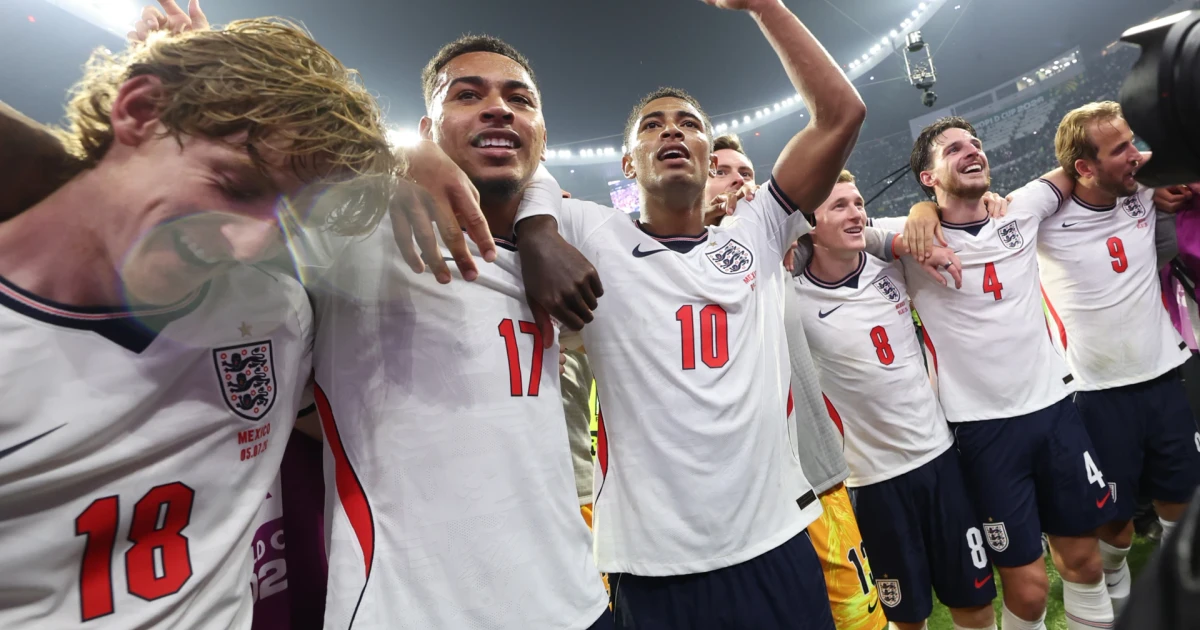
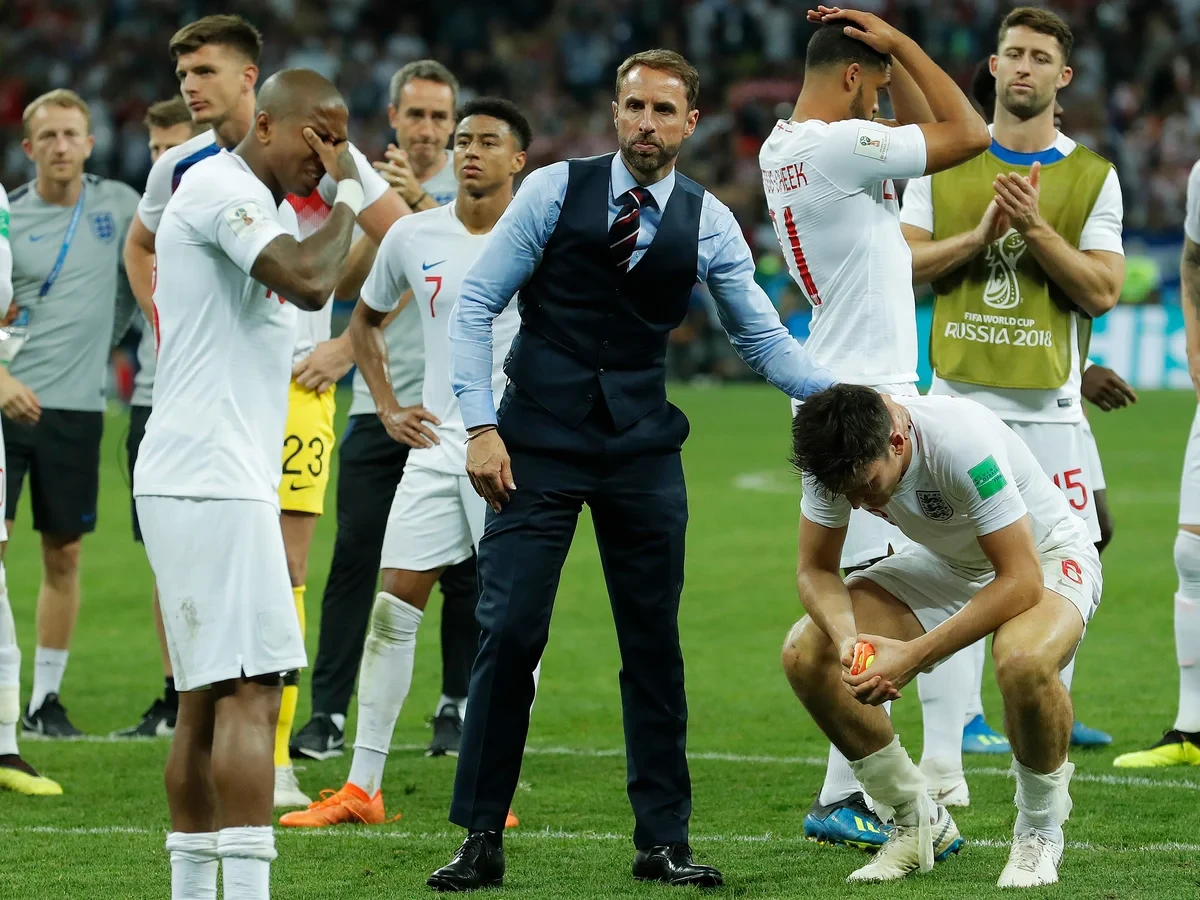
England’s World Cup exit in Moscow was brutal, but it also clarified why optimism around Gareth Southgate’s side was real rather than sentimental. The 2-1 extra-time defeat to Croatia on 11 July 2018 ended England’s first World Cup semi-final since 1990 and their bid to reach a first final since 1966, yet it left behind a young squad that had already changed expectations.
A defeat that reset the baseline
England led through Kieran Trippier’s free-kick before Croatia clawed the match back and Mario Mandzukic struck the winner in the 109th minute, finishing from Ivan Perisic’s flick-on in the area. The loss at Luzhniki Stadium ended a run that had carried England into the last four for only the third time in their history, and the scale of the disappointment was obvious in Southgate’s immediate reaction.
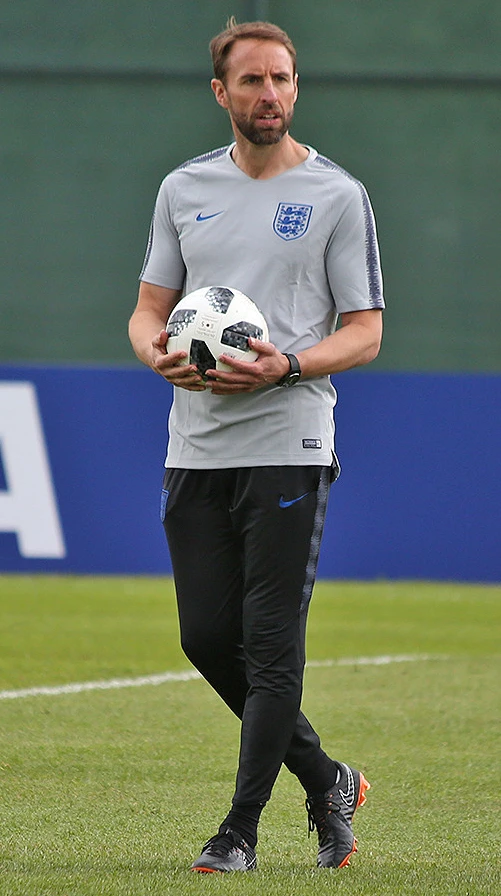
He said the players had “came of age” during the tournament and that the exit would create “a new benchmark and level of expectation.” He was also “remarkably proud” of the young England side, while the Football Association said he believed the squad could head home with pride. The message was not that the result had been softened, but that the tournament had changed what could reasonably be expected from this group.
Youth was not a slogan, it was the structure of the squad
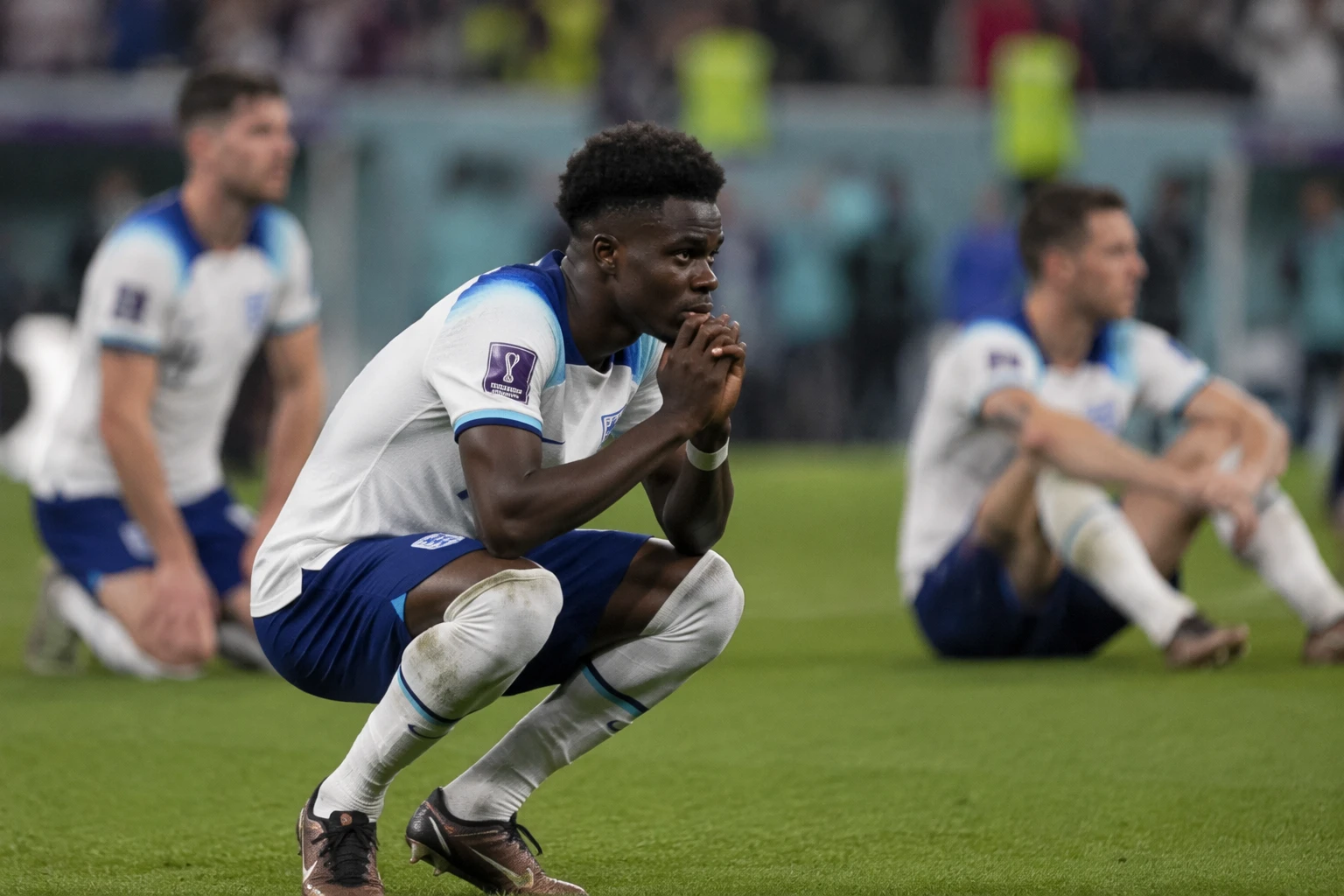
England’s tournament group was widely viewed as one of the youngest in Russia, and that mattered because it changed the age profile of the national team’s core. Southgate’s 23-man squad mixed established Premier League players with younger names such as uncapped 19-year-old Trent Alexander-Arnold, Ruben Loftus-Cheek and Nick Pope, a selection that reflected a broader shift away from relying on an older, more familiar generation.
That youth showed up in how the team handled pressure. BBC Sport’s framing of the semi-final was that England had reached a point where the result would establish a new standard rather than close off the project. BBC News also captured the mood among supporters: fans were heartbroken, but many were already coming to terms with the exit and were proud of what the team had produced. That matters because the emotional response was tied to a performance level that had been missing for years.
What the run revealed about England’s next cycle
The 2018 campaign gave England repeated evidence that they could survive different kinds of match stress. Harry Maguire and Dele Alli delivered in the quarter-final win over Sweden, while Jordan Pickford’s saves against Sweden drew praise for keeping the side alive in a tight knockout game. Against Croatia, Trippier scored early from a set piece, showing that England had more than one route to goal and more than one player capable of deciding a game from distance or dead-ball situations.
That spread of contributors is part of what made the run feel sustainable. England were not depending on one veteran talisman carrying the team through elimination football. Instead, they were getting decisive moments from defenders, midfielders and the goalkeeper, which is exactly the sort of depth a national side needs if it is going to compete across multiple tournament cycles.
Depth at key positions became visible under pressure
The clearest evidence of progress was not just that England reached the semi-finals, but how the team’s important positions held up when the level rose. Pickford was central in the quarter-final win over Sweden, Maguire scored in that same match, Alli added another goal, and Trippier produced a decisive free-kick in the semi-final. Those are not isolated flashes from a single line of the team; they point to a side with real contributors in defence, midfield and set-piece situations.

England also entered Russia with a tournament squad that looked better balanced than the national teams of the recent past. The inclusion of younger defenders, midfielders and a goalkeeper of Pope’s profile suggested a deeper pool than in previous cycles, when England often arrived with too many positions dependent on one or two names. Southgate’s choices showed a willingness to trust players who had not yet accumulated the kind of international history that once seemed to matter more than form.
Southgate’s language reflected a longer project
Southgate did not talk as if the semi-final had solved England’s problems. In fact, the pain was explicit. The Guardian quoted him saying, “I’m conscious we’ve just lost a massive, massive game” and “We all feel the pain of the semi-final defeat.” That honesty matters because it shows the optimism was not a cover for disappointment.
What he did emphasize was growth. The phrase “came of age” was not just a reward for effort; it described a team that had been tested in knockout football and responded with composure, even when the final step proved too high. The new benchmark Southgate described was both psychological and tactical: England had shown they could manage pressure, create from set pieces, and carry a tournament into its last stages without collapsing under the occasion.
Why the 2018 semi-final still mattered after the whistle
England had not reached a World Cup final since Bobby Moore lifted the Jules Rimet trophy at Wembley on 30 July 1966, and Reuters noted that the previous semi-final before Russia 2018 had ended in penalties against West Germany in 1990. That long gap had built a culture of caution around the national team, where even promising runs were often framed as temporary distractions from eventual disappointment.
Russia 2018 disrupted that pattern. The side did not win the tournament, but it left with younger players battle-tested, a manager publicly committed to a new standard, and fans who were genuinely invested again. The most useful sign of progress was not the heartbreak itself, but the fact that the country now expected England to be in those late rounds and to compete there. That expectation, once rare, became the clearest evidence that this team had moved the national side into a different cycle.
Sources
- [1]bbc.co.uk
- [2]thefa.com
- [3]theguardian.com
- [4]bbc.com
- [5]reuters.com