US News
EPA clash over microplastics monitoring for first federal fish farm
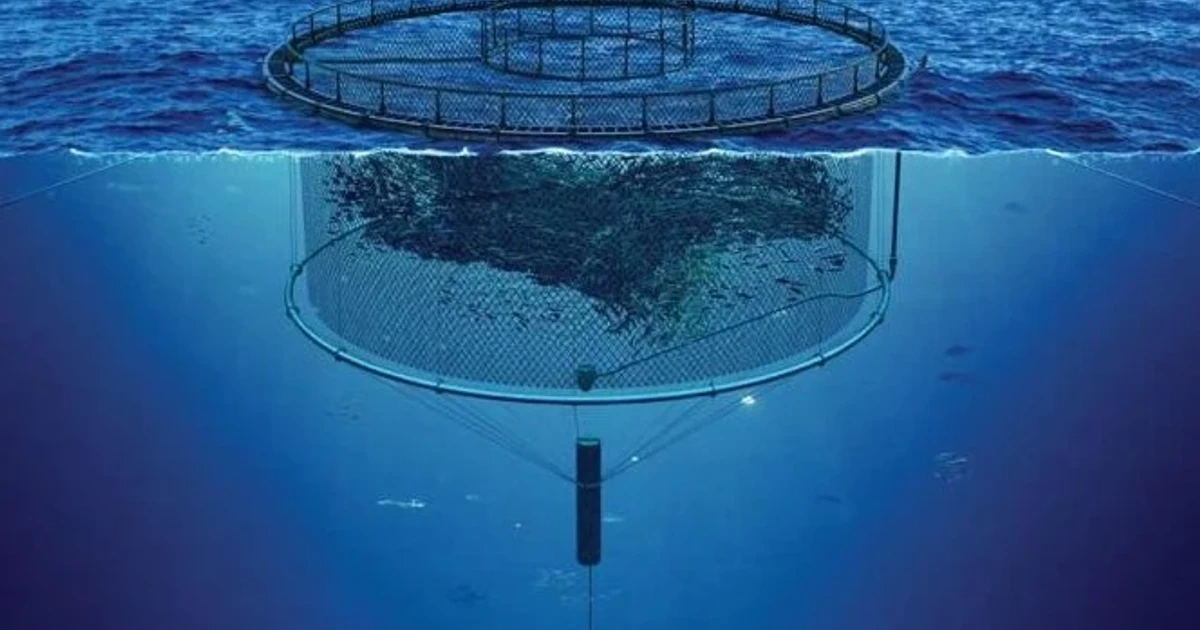
EPA officials balked at a requirement that the first fish farm ever proposed for federal waters monitor microplastics, putting a tiny pollutant at the center of a fight over how far regulators should go before the science is settled. The farm would have raised a fish popular in Cajun and Creole restaurants, giving the dispute direct stakes for a new slice of the seafood supply.
The clash drew in an EPA official who pressed for the monitoring condition, only to face pushback from senior agency leaders. The EPA said he had taken steps to embarrass the agency, underscoring how sharply the debate split between enforcement instincts and political management inside the administration.
Microplastics are no longer treated as an obscure research topic. EPA researchers define them as plastic particles ranging from 5 millimeters down to 1 nanometer. NOAA says they are found throughout the ocean, from the sea surface to the sediment on the ocean floor, and that they can harm aquatic organisms and ecosystems while also affecting fisheries and coastal tourism.
The issue moved onto a higher federal stage on April 2, 2026, when EPA and the Department of Health and Human Services announced coordinated actions that put microplastics in a new public-health spotlight. EPA also included the particles in its draft Sixth Contaminant Candidate List, a step that signaled more scrutiny ahead even as the agency continued to wrestle with how to measure them.
That tension sharpened on July 1, when EPA proposed its next Unregulated Contaminant Monitoring Rule, known as UCMR 6, and left microplastics out. The agency cited the absence of a validated test method, a technical barrier that has become the central argument for delay even as concern over the particles has widened.
Pressure on EPA has not come only from advocates. More than 250 health professionals and organizations urged the agency to include microplastics in monitoring earlier this year. Fourteen state attorneys general and Washington, D.C., also called on EPA to track the particles in drinking water, and seven governors petitioned the agency to add them to the monitoring rule so the government could gather national data before deciding whether regulation is warranted.
The result is a split-screen policy moment. EPA is elevating microplastics as a contaminant worthy of new attention, but the same agency is still refusing to put them in the drinking-water monitoring program that would show how widespread the problem really is.
Sources
- [1]nytimes.com
- [2]epa.gov
- [3]marinedebris.noaa.gov
- [4]foodandwaterwatch.org
- [5]cen.acs.org