Politics
EPA sends California emissions waivers to Congress for repeal
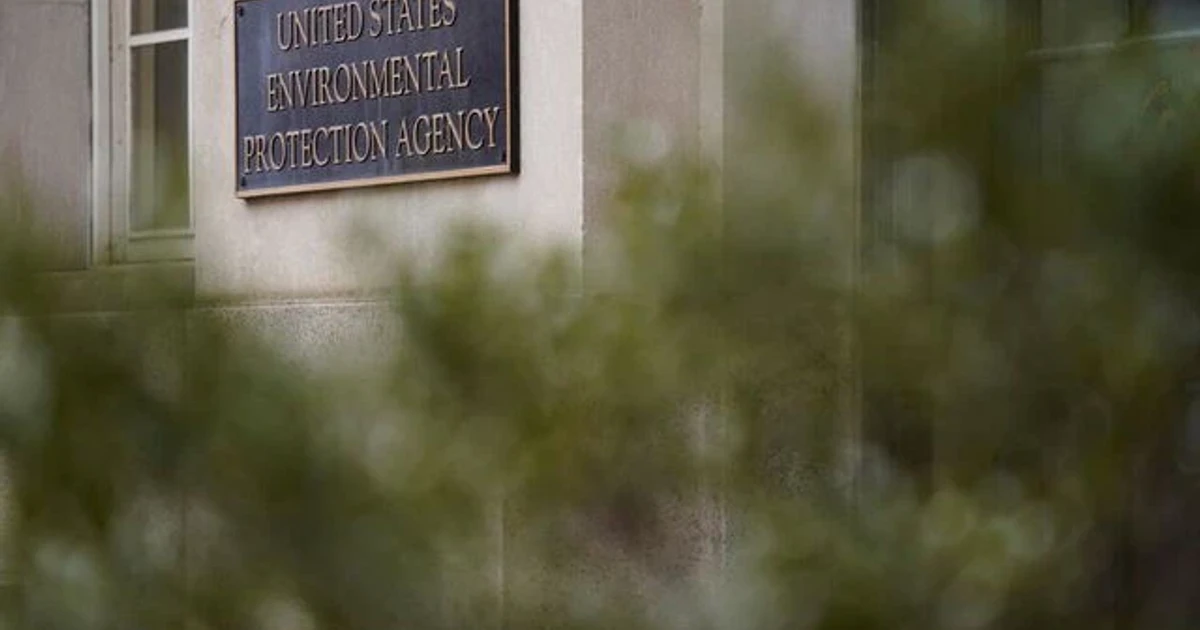
The federal government has moved California’s clean-vehicle authority onto a congressional chopping block, setting up a national test of how far Washington can go in reversing state climate rules that have long shaped what automakers build. On June 12, the U.S. Environmental Protection Agency sent four California waiver actions to Congress under the Congressional Review Act, a step that could let lawmakers try to cancel standards covering cars, trucks, lawn mowers and other equipment.
The target is bigger than one state. California’s Advanced Clean Cars II program requires 100% of new passenger vehicles sold in the state to meet zero-emission standards by the 2035 model year, and the state’s market has long mattered well beyond Sacramento because automakers often design around California’s scale. California regulators say the Biden-era EPA approval of their clean-vehicle rules in 2022 unlocked a combined $36 billion in public health benefits for two regulations affecting passenger cars and heavy-duty vehicles.
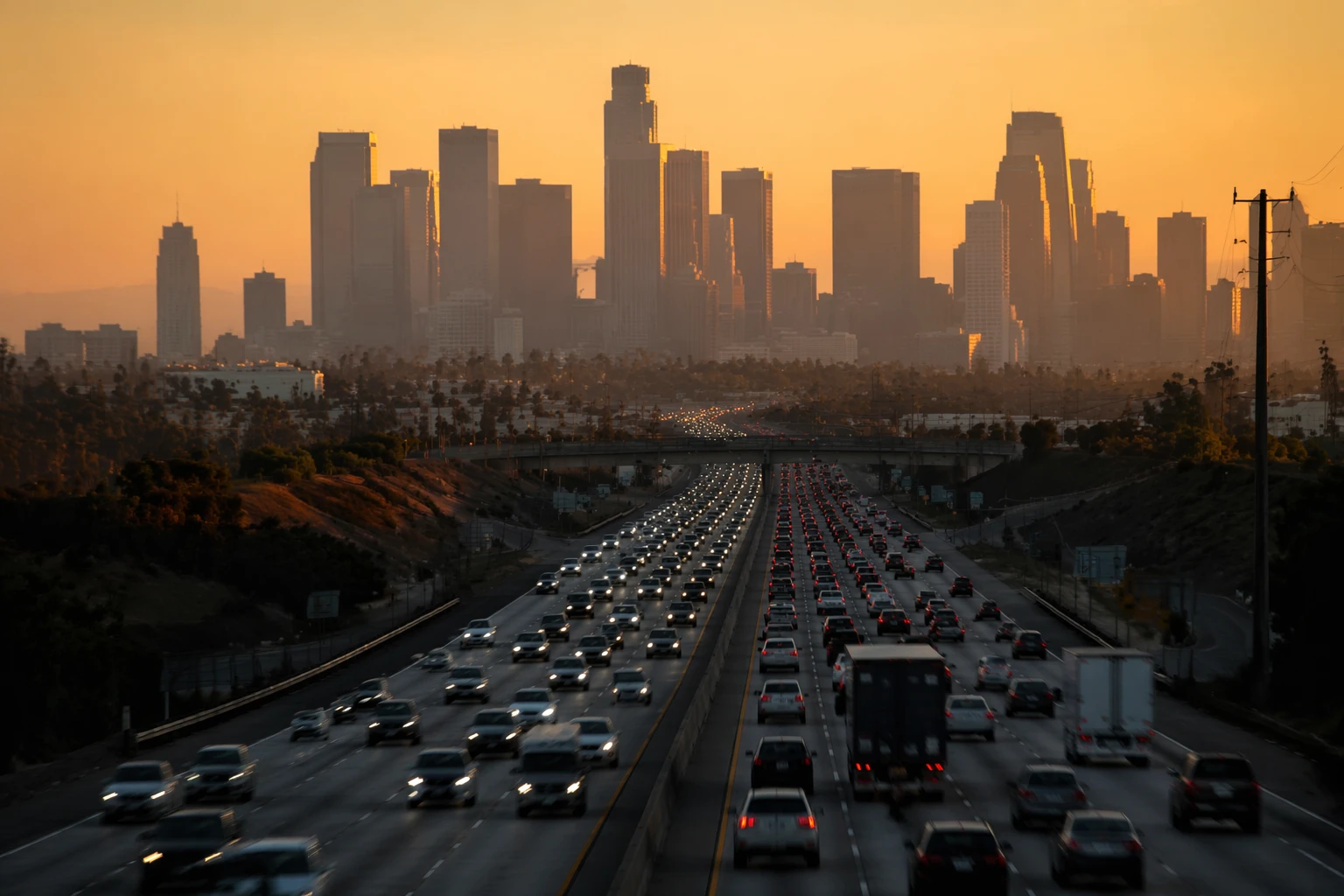
The Trump administration has been pressing a broader campaign to block California from requiring cleaner vehicles and more electric models. In March, the U.S. Department of Transportation sued the California Air Resources Board, arguing the state’s zero-emission vehicle and tailpipe rules are illegal and preempted by federal law. The EPA’s latest move also fits a wider rollback effort that has made it easier for automakers to sell more gasoline-powered cars and trucks while making electric vehicles more expensive to buy.
California, meanwhile, says its standards have been built over more than 50 years and are tied to lower premature death, illness, hospital visits, health care costs and school and work absenteeism. The state said 25% of new light-duty vehicle sales and 16% of medium- and heavy-duty new vehicle sales were zero-emission in 2024, evidence that the market is already moving in the direction regulators have set.
The legal fight is far from settled. California, Gov. Gavin Newsom and Attorney General Rob Bonta sued the federal government in June 2025 over the use of the Congressional Review Act against the state’s clean-vehicle program, saying the maneuver was unlawful. Environmental Defense Fund and Public Citizen have argued that California waivers are not subject to repeal under that law, and a Senate parliamentarian again said in May 2026 that the waivers are not eligible for the CRA, a ruling that could complicate any congressional attempt to unwind them.
Still, the EPA’s decision put the issue squarely at the center of the clash between federal power, state climate authority and the auto industry’s planning for the next decade. If Congress acts, the result could reach every showroom in the country, not just those in California.
Sources
- [1]usnews.com
- [2]epa.gov
- [3]ww2.arb.ca.gov
- [4]oag.ca.gov
- [5]edf.org
- [6]autosinnovate.org
- [7]insideepa.com
- [8]gov.ca.gov