US News
Epstein case shows the wider crisis of child sex trafficking

Jeffrey Epstein was found unresponsive in his jail cell on 2019-08-10 and was later pronounced dead, but the damage around his abuse did not end there. His case exposes a wider failure: the institutions meant to notice exploitation early often miss it, while public attention arrives only after powerful men become headlines.
A case that was never only about one man
Epstein’s victims included girls as young as 14, a detail that should keep the focus on childhood rather than celebrity scandal. Virginia Giuffre was among the survivors publicly identified in coverage of his abuse, and Jennifer Araoz captured the lasting reality of survivor harm when she said after Epstein’s death, “We have to live with the scars of his actions for the rest of our lives.”
The public narrative around Epstein has often shrunk the crime into a familiar tableau of private jets, hidden islands, underage girls and rich men shielded by wealth and influence. That image is part of the story, but it can also hide the more ordinary machinery of failure: the teachers, social workers, police officers, prosecutors and judges who do not identify exploitation soon enough, or do not respond with the urgency children need.
Why survivor voices matter more than spectacle
Survivors and advocates have long warned that a famous perpetrator can eclipse the people he harmed. Rights4Girls has warned that Epstein’s death did not end the harms felt by survivors and that girls are children. The language of glamour and scandal distorts what is actually at stake. When the story centers on the predator, the child’s experience becomes secondary.
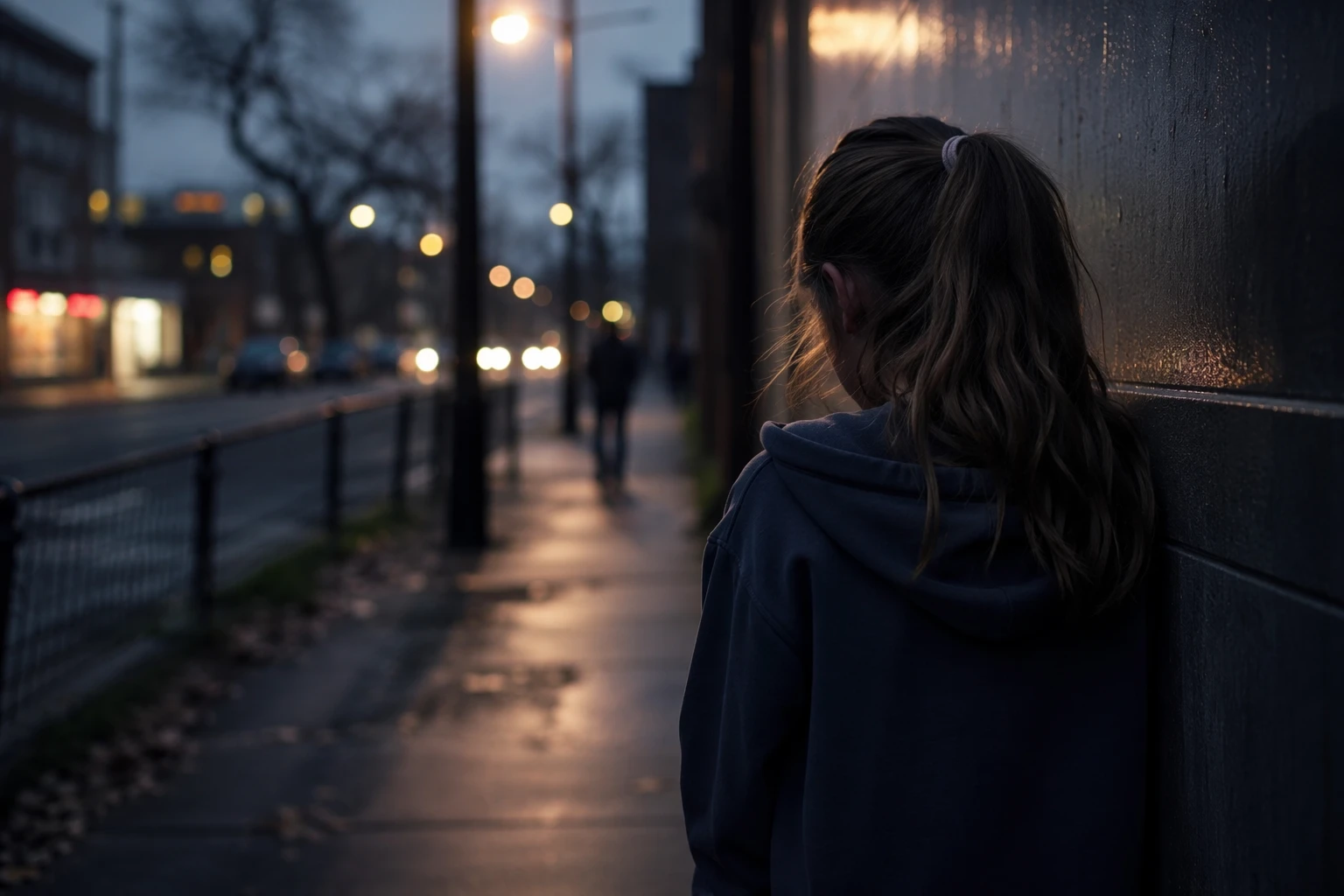
Araoz’s words point to the physical and emotional persistence of abuse.
What protection looks like in practice
In the United Kingdom, Barnardo’s is one of the leading organisations directly supporting children who have experienced trafficking, and the government maintains guidance for victims and survivors of child sexual exploitation and abuse.
The Independent Inquiry into Child Sexual Abuse found in 2016 that talking therapies could help victims and survivors in several ways, including self-esteem, coping skills and strategies, and developing choice, control and empowerment. That framework is not only about removing a child from danger; it is also about restoring agency after coercion, fear and repeated betrayal by adults.
The policy gap is still obvious
A House of Commons Home Affairs Committee report on human trafficking, published on 8 December 2023, showed pressure remains on the United Kingdom to do more for trafficking and exploitation victims. Anti-slavery groups, child-protection researchers and support organizations have kept pushing for stronger action because gaps remain between policy on paper and the support people actually receive.
That gap is visible in how systems work when abuse first appears. Children often have to pass through schools, social care, police and courts before anyone recognizes a pattern, and those systems do not always communicate well enough to protect them. The policy tools exist, but they are unevenly applied, under-resourced or too slow for children who cannot wait for a perfect bureaucratic process.
History shows the pattern is old
A major Victorian sex abuse scandal in Britain shocked the public and changed the law long before Epstein. W.T. Stead exposed wealthy men soliciting underage girls for sex in Victorian London.
What accountability should mean now
In February 2026, UN experts said the so-called Epstein Files contained disturbing and credible evidence of systematic and large-scale sexual abuse, trafficking and exploitation of women and girls. They said the conduct could amount to sexual slavery, reproductive violence, enforced disappearance, torture, inhuman and degrading treatment, and femicide, and warned that flawed disclosures can undermine accountability for grave crimes against women and girls.
Sources
- [1]nytimes.com
- [2]theconversation.com
- [3]rights4girls.org
- [4]theirinaproject.org
- [5]ohchr.org
- [6]publications.parliament.uk
- [7]barnardos.org.uk
- [8]gov.uk