US News
Epstein files expose finances, enablers and unanswered questions around power
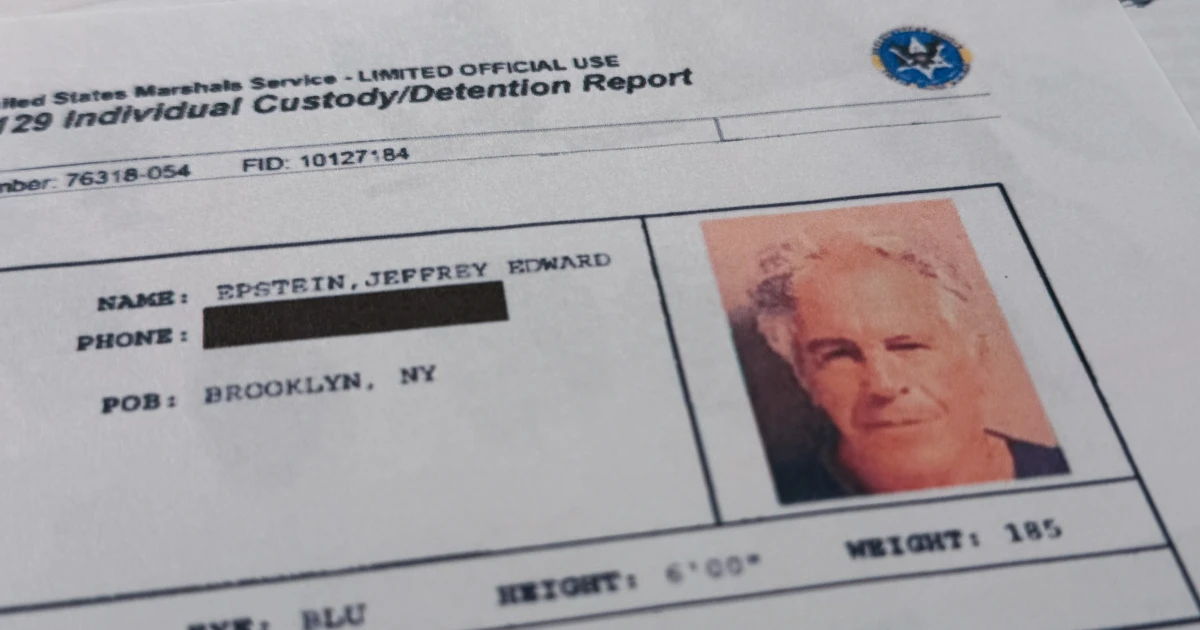
Jeffrey Epstein’s death in federal custody did not end the accounting around his reach; it deepened it. The documents now public point to a network built on money, access and institutional failure, yet they still leave the most consequential questions unresolved: how he accumulated extraordinary wealth, who helped sustain his status, and how the system around him kept functioning.
The money trail is still the least explained part of the story
The strongest through line in the record is not glamour but leverage. Epstein was a financier who moved through elite circles with unusual ease, even as allegations and criminal conduct accumulated around him. The continuing focus on his finances matters because wealth was not just a backdrop to the abuse, it was part of the machinery that gave him credibility, opened doors and kept questions at bay.
Recent reporting has centered on a blunt possibility: Epstein’s ascent rested on lucky breaks, lies and scams that convinced sophisticated investors and business figures to trust him with money. That claim goes to the heart of the case because it suggests his influence was not only social, but financial, built through a system of misplaced confidence that rewarded proximity and obscured risk. The New York Times has been investigating Epstein’s finances, enablers and possible co-conspirators since his 2019 arrest, underscoring how central the money question remains.
The 2007 deal still shapes the accountability debate
A second pillar of the story is the 2007 non-prosecution agreement negotiated by then-U.S. Attorney Alexander Acosta in the Southern District of Florida. According to committee findings, the deal allowed Epstein to serve 13 months in jail on state charges and shielded Epstein and potential co-conspirators from future federal prosecution for related sex crimes.
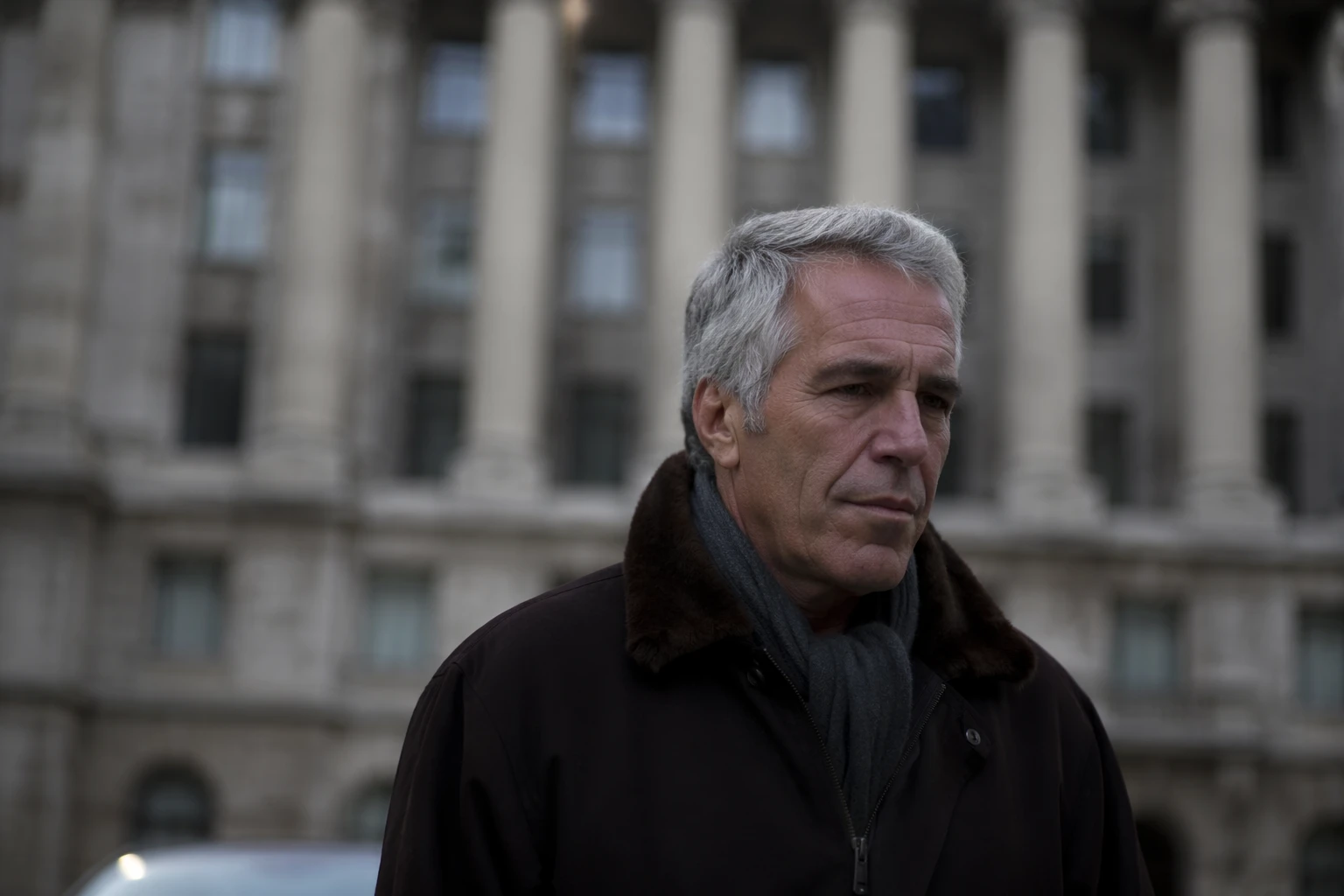
That agreement remains one of the clearest examples of how institutional choices can narrow the reach of justice before a case ever reaches a courtroom. It matters not only because of what it did for Epstein, but because it appears to have insulated the broader network around him at a moment when federal exposure could have changed the course of the investigation. More recent congressional reviews say that despite the deal, Epstein continued and expanded his trafficking operation, which makes the bargain look less like closure and more like a pause that failed to stop the underlying conduct.
The files are vast, but the evidentiary record is uneven
Congress and the Justice Department have now made millions of pages public in late 2025 and early 2026, but volume is not the same as resolution. The House Committee on Oversight and Government Reform released an additional 20,000 pages of documents from Epstein’s estate on November 12, 2025, and the United States Department of Justice said it published over 3 million additional pages responsive to the Epstein Files Transparency Act on January 30, 2026.
The department says its Epstein library continues to be updated if additional documents are identified for release. It also says the materials include large volumes of images and videos, including more than ten thousand downloaded videos and images of illegal child sex abuse material and other pornography, with redactions made to protect victims and other private individuals. That combination of scale and redaction is important: the public now has access to an enormous record, but not a complete one, and the missing pieces still matter because they may show who knew what, when, and with what consequences.
Why the unanswered questions still matter to power brokers
The public interest widened further after President Donald Trump signed the Epstein Files Transparency Act on November 19, 2025, and after the Justice Department said it was complying with a congressional deadline by publishing responsive material. That legislative push reflects a broader truth about the case: Epstein is now a test of whether institutions can be made to explain how access, money and silence protected one man for so long.
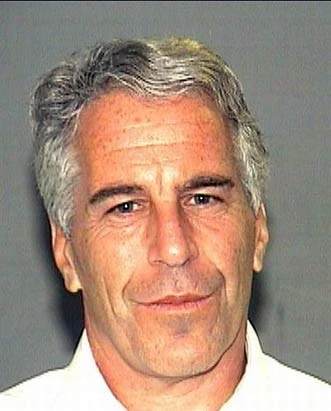
House Democrats have pressed the Justice Department over allegations that materials in the Epstein files may involve additional public figures. Even without assuming what those materials show, the fact of the inquiry is significant. It suggests the issue is no longer limited to Epstein alone, but extends to the gatekeepers, facilitators and bystanders whose decisions helped normalize him in elite spaces.
That concern has also reached beyond Washington. Human rights experts at the United Nations have described the disclosures as disturbing and credible evidence of a possible global criminal enterprise involving systematic sexual abuse, trafficking and exploitation of women and girls. The language is severe because the stakes are severe: if the record ultimately confirms that abuse was embedded in a wider system of travel, finance, protection and access, then the story becomes about institutional failure on more than one level.
The larger lesson is about how elite systems fail
The enduring mystery is not whether Epstein was dangerous. It is how a man with such a long and visible trail of harm remained able to move capital, cultivate powerful contacts and evade meaningful interruption for so long. That question reaches into finance, law enforcement, philanthropy and politics, and it is why each new document release matters even when it does not deliver a full answer.
What the public record now shows is substantial: a 2007 deal that narrowed federal exposure, a 2019 death in custody, a 2025 congressional release of 20,000 pages, a 2026 Justice Department release of more than 3 million additional pages, and a material body of records that the department says includes more than ten thousand illicit images and videos. What it still does not fully show is the complete accountability network around Epstein. Until that gap closes, the case will remain less a closed chapter than a warning about how money, influence and institutional deference can shield abuse for years.