Technology
Erin O’Toole Calls for Stronger Focus on Canadian Defence Innovation
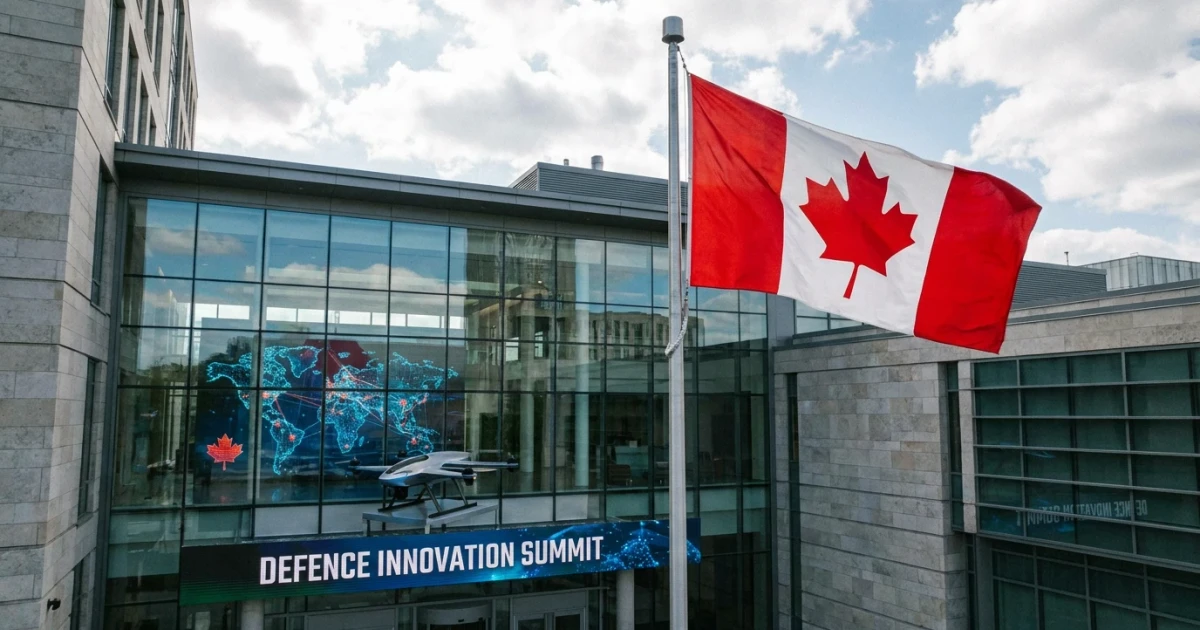
Former Conservative Party leader Erin O’Toole has emphasized the urgent need for Canada to strengthen its defence innovation sector, warning that the country is falling behind its global counterparts in adopting and developing advanced security technologies. His comments, delivered in a recent interview with BetaKit, come amid ongoing debates over Canada’s role in international security and its ability to respond to emerging threats.
Canada’s Position in Global Defence Innovation
O’Toole’s call for action reflects a growing consensus among policy experts and military analysts that Canada’s investment in defence research and development has not kept pace with that of its allies. According to the latest government expenditure data, Canada’s defence spending as a share of GDP remains below the NATO target, and innovation funding is a relatively small portion of the overall budget. NATO’s defence expenditure data confirms these trends, positioning Canada behind countries like the United States, United Kingdom, and France in terms of both spending and innovation output.
- Canada’s defence spending hovers around 1.29% of GDP, compared to the NATO guideline of 2%.
- Investment in innovation programs such as DIANA and IDEaS has increased, but remains modest relative to peers.
O’Toole’s Perspective: The Need for Urgency and Collaboration
In his conversation with BetaKit, O’Toole argued that Canada’s current approach is too incremental to address the pace of technological change and geopolitical risk. He pointed to the rapid innovation cycles in defence technology—such as artificial intelligence, autonomous systems, and cyber security—and warned that Canada risks being a consumer rather than a creator of next-generation capabilities.
O’Toole advocated for a more robust partnership between government, industry, and academia, noting that other NATO members have leveraged such collaboration to drive military innovation and enhance both national security and economic growth. He referenced the importance of programs like the Defence Investment Plan, but suggested that more targeted, agile funding is needed to support Canadian startups and scale-ups in the defence sector.
Current Initiatives and Their Limitations
The Canadian government has launched several initiatives in recent years aimed at boosting defence innovation. Notably, the Defence Innovation Accelerator for the North Atlantic (DIANA) connects Canadian firms with NATO innovation networks, while the Innovation for Defence Excellence and Security (IDEaS) program funds research and prototypes in critical areas such as surveillance, cybersecurity, and advanced materials. However, O’Toole and other observers argue that these programs have yet to achieve the scale and speed required to keep up with adversaries and allies alike.
- IDEaS has funded hundreds of projects since launch, but many remain at the pilot or early prototype stage.
- DIANA is still in the early phase of integrating Canadian startups with larger NATO innovation efforts.
Broader Implications: Economic and Strategic Considerations
O’Toole’s remarks come as global security challenges intensify, from cyber threats and disinformation campaigns to the rapid proliferation of drones and hypersonic weapons. Analysts at the Center for Strategic and International Studies note that investment in defence innovation is not only vital for national security, but can also fuel economic growth, create high-tech jobs, and position Canada as a leader in emerging sectors.
Despite these opportunities, Canada’s military expenditure remains low as a percentage of GDP, and the country’s innovation pipeline faces persistent challenges including regulatory hurdles, procurement delays, and limited venture funding for dual-use technologies.
Looking Ahead: Calls for Action
O’Toole’s comments have added momentum to calls for a national strategy that aligns government innovation policy with defence priorities. Such a strategy, analysts suggest, would require not only increased funding but also a cultural shift toward risk-taking and public-private collaboration. As Canada weighs its defence commitments and international partnerships, the question of whether it can catch up on defence innovation is likely to remain at the forefront of public debate.
While government programs are a step in the right direction, Erin O’Toole’s message is clear: Canada must move faster and invest more strategically if it hopes to secure its place in the next generation of defence technology.