World
Escalating Attacks Roil Middle East as Conflict Intensifies
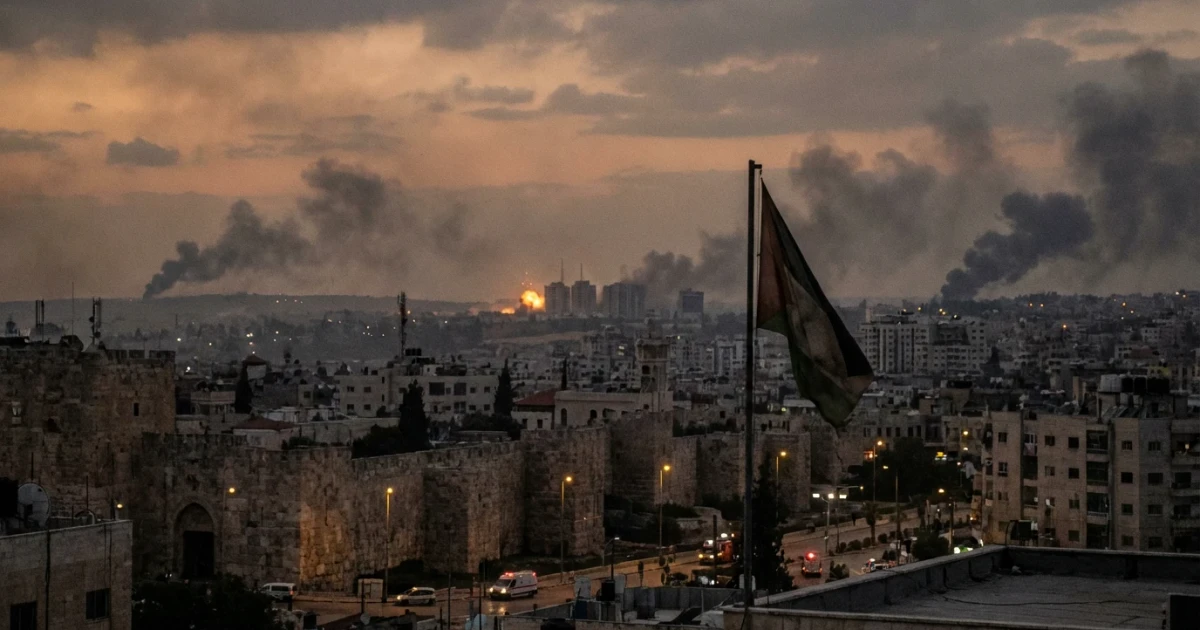
Friday morning brought a new wave of violence across the Middle East, as conflict continued to escalate with attacks reported in multiple countries and no signs of de-escalation on the horizon. The latest developments—spanning airstrikes, retaliatory threats, and rising tensions—underscore the region's deepening instability and the growing risks for both civilians and regional powers.
Renewed Strikes and Expanding Frontlines
According to reporting from Associated Press, Friday dawned with a series of attacks stretching across the Middle East, with U.S. and Israeli forces stepping up their military actions in response to recent escalations. The ACLED Conflict Data Dashboard tracks a notable increase in conflict events throughout the region, including airstrikes and cross-border hostilities involving Iran, Israel, and other actors. The expanded scope of violence has left many observers concerned about the potential for further escalation.
- Israel and the United States have conducted new airstrikes targeting Iranian military assets and allied groups, intensifying pressure on Tehran.
- Iran has vowed retaliation, raising fears of a wider regional confrontation.
- Attacks have rippled into neighboring territories, drawing in actors from Lebanon, Syria, and Iraq, according to CFR's Global Conflict Tracker.
Humanitarian Toll and Displacement
The ongoing violence continues to exact a heavy humanitarian cost. United Nations reports highlight mounting casualties and displacement as civilians bear the brunt of the fighting. Data from the UN Office for the Coordination of Humanitarian Affairs (OCHA) indicate that hundreds of thousands have been displaced in recent weeks, with infrastructure damage hampering relief efforts and access to basic necessities.
Further, the UNHCR Refugee Data portal shows a surge in refugee flows, with neighboring countries struggling to absorb new arrivals. The risk of a broader humanitarian crisis looms as aid organizations warn of resource shortages and deteriorating conditions in conflict-affected areas.
Regional and International Response
Diplomatic efforts to cool tensions have so far yielded little progress. Countries across the Middle East, along with major international powers, have called for restraint, but the situation remains volatile. The SIPRI Arms Transfers Database highlights ongoing arms flows into the region, underscoring the risk that intensified fighting could become even more destructive if additional weapons and military support are introduced.
Meanwhile, human rights organizations, including the OHCHR, have raised alarms about alleged violations of international humanitarian law, including attacks on civilian infrastructure and reports of civilian casualties. Calls for independent investigations and accountability have grown louder as the conflict drags on.
Analysis: No Clear Path to De-escalation
The absence of meaningful dialogue and the persistence of military actions on multiple fronts suggest that the Middle East conflict is unlikely to wind down in the immediate future. The combination of retaliatory rhetoric, cross-border operations, and deep-seated grievances threatens to draw in additional actors and expand the scope of violence.
As the international community urges restraint, the coming days will be critical in determining whether diplomatic pressure can stem the tide of escalating attacks—or whether the region will continue its slide toward broader and more destructive warfare. Readers can follow live updates and access detailed conflict data for the latest on this rapidly evolving situation.