World
Escalating Strikes Deepen Tensions Between Iran, Israel, and Gulf States
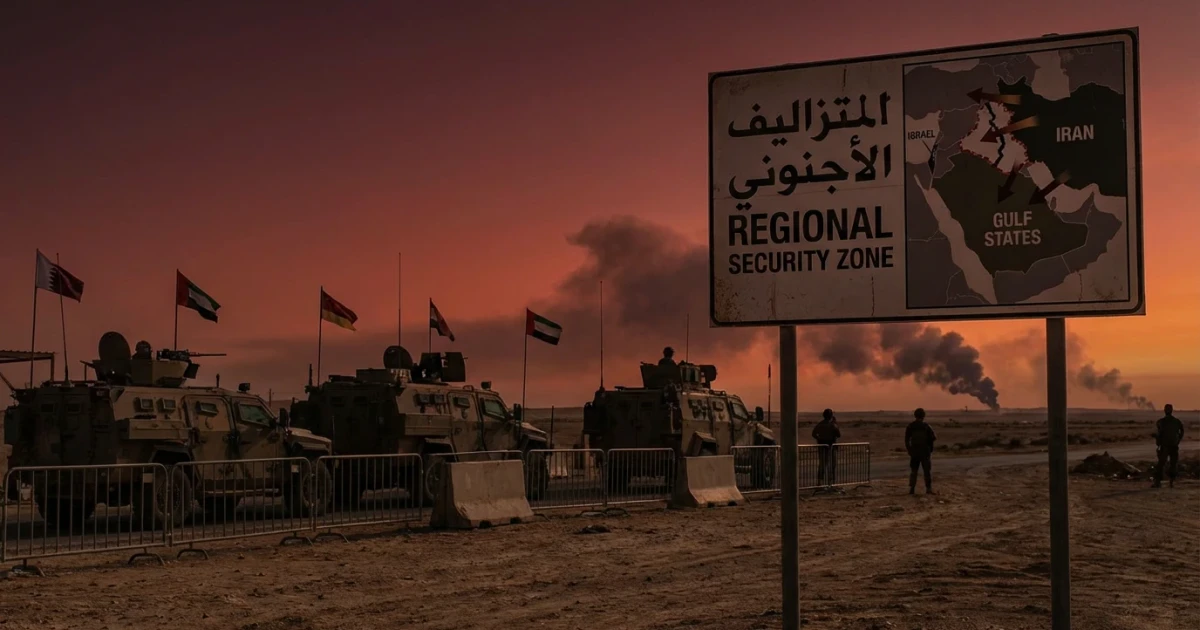
Rising military actions between Iran, Israel, and Gulf states have intensified uncertainty in the Middle East as diplomatic efforts to end the ongoing conflict deliver mixed results. According to AP News, recent strikes have targeted Iranian positions while Tehran has responded with attacks against Israeli and Gulf state interests, signaling a rapid escalation amid fragile negotiations.
Strikes and Retaliations Fuel Regional Uncertainty
Recent days have seen direct attacks on Iranian territory, with retaliatory strikes from Iranian forces targeting both Israel and neighboring Gulf states. This tit-for-tat exchange marks a notable shift from proxy conflict to open confrontation, heightening concern among international observers. The SIPRI Arms Transfers Database has long documented the flow of advanced weaponry in the region, illustrating the risk of rapid escalation when direct strikes occur.
- Iranian military capabilities include a range of ballistic missiles and sophisticated drone technology, as highlighted in the GlobalSecurity.org Iran Military Overview.
- Israel and Gulf states, including Saudi Arabia and the United Arab Emirates, maintain advanced air defenses and have coordinated responses to perceived threats from Tehran, according to the Brookings Institution's research report on strategic dynamics in the region.
Diplomatic Efforts Face Setbacks Amid Escalation
While international actors have urged restraint and called for a ceasefire, the recent surge in military activity has complicated ongoing negotiations. AP News notes that mixed signals from both sides have emerged, with some statements indicating openness to talks while actions on the ground suggest a hardening of positions. The UN Security Council's sanctions materials on Iran reflect the ongoing challenges in enforcing compliance and maintaining diplomatic pressure.
- Observers note that previous attempts at back-channel diplomacy have been undermined by sudden military escalations.
- Regional security experts cited in Congressional Research Service analysis emphasize that sustained dialogue is unlikely while both sides continue to pursue military options.
Strategic Assets and Military Capabilities at Stake
The latest exchanges underscore the complex web of military alliances and rivalries in the region. Iran's strategic assets include a network of missile bases, drone facilities, and proxy forces, while Israel and Gulf states rely on advanced U.S.-supplied defense systems. For readers interested in technical details, the Council on Foreign Relations explainer on Iran’s military breaks down the structure and reach of Tehran’s forces.
- Military spending in the region remains high: Statista’s Iran data tables show that Iran continues to invest heavily in defense, despite economic sanctions.
- Israel and Gulf states have increased their joint military exercises and intelligence sharing, according to open-source defense analysis.
Impact on Civilians and Regional Stability
The escalation has had immediate impacts on civilian populations, with reports of damage to infrastructure and heightened security alerts across affected countries. Humanitarian agencies have warned that further escalation could lead to large-scale displacement and disrupt essential services, compounding the fallout from past conflicts.
Looking Ahead: Prospects for De-Escalation
With international pressure mounting for a return to negotiations, the region faces a critical juncture. Analysts stress that without meaningful diplomatic engagement and security guarantees, the risk of further escalation remains high. For those seeking a deeper understanding of the underlying dynamics, the Brookings Institution’s research provides in-depth context on the strategic rivalry shaping these events.
As strikes and retaliatory measures continue, the path toward lasting peace remains uncertain. The coming weeks will likely determine whether diplomatic efforts can prevail over the logic of escalation, or if the region will see a further slide into open conflict.