World
Escalation in Lebanon Puts Medical Workers in the Crossfire
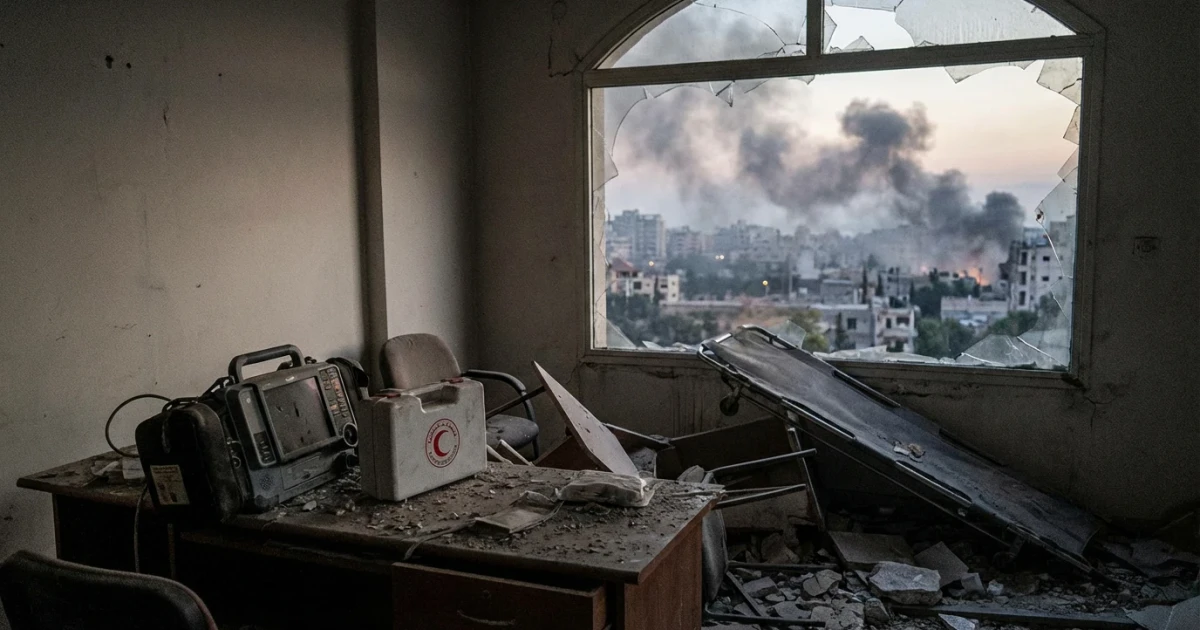
Southern Lebanon is facing a mounting crisis as escalating Israeli military actions have increasingly targeted medical workers and infrastructure, leaving hospitals overwhelmed and communities devastated. The latest wave of violence, described by The Guardian as an unprecedented escalation, has seen tactics such as the so-called ‘quadruple tap’—multiple consecutive strikes on the same location—raising grave concerns among humanitarian groups.
Attacks on Medics and Health Facilities Surge
On-the-ground reports indicate that Israeli forces have intensified their operations, with a marked increase in attacks directly affecting medics and emergency responders. The ‘quadruple tap’ tactic, highlighted by The Guardian, involves launching a series of strikes in rapid succession. This method not only targets initial responders but also endangers those arriving to assist after the first attack, significantly amplifying casualties among medical teams and civilians alike.
Hospitals across the region are struggling to cope with the influx of wounded. Many facilities have reported being overwhelmed, with limited resources to treat the growing number of victims. Medical supply shortages are compounded by damage to infrastructure, forcing healthcare workers to operate under perilous conditions and, in some cases, abandon critical facilities altogether.
Impact on Communities and Humanitarian Concerns
The humanitarian fallout has been severe. Communities throughout southern Lebanon are grappling with the destruction of homes, schools, and essential services. The disruption of medical care is particularly acute, with the loss of ambulances, clinics, and personnel further straining already fragile systems. According to the Lebanon Humanitarian Snapshot, recent hostilities have led to significant displacement, with thousands forced to flee their homes and seek shelter elsewhere.
- Hospitals in affected areas report a surge in trauma cases and a lack of critical medical supplies.
- Ambulances and health workers have come under repeated fire, disrupting emergency response efforts.
- The destruction of health infrastructure has hindered access to care for vulnerable populations, including children and the elderly.
International agencies and monitoring organizations have documented the increasing number of attacks on healthcare, with data from the World Health Organization’s emergency situation reports and Insecurity Insight showing a sharp uptick in incidents since the escalation began. These sources note that repeated strikes on medical sites violate international humanitarian law, which explicitly protects medical personnel and facilities in conflict zones.
Hospitals Face Overwhelming Strain
As the violence persists, hospitals in southern Lebanon face unprecedented demand. Many are operating at or beyond capacity, with some forced to turn away non-critical cases or refer patients to distant facilities. The Guardian reports that communities are left reeling from the destruction, with long-term implications for public health and stability in the region.
Relief organizations warn that the compounded effects of displacement, infrastructure damage, and targeted attacks on medics could lead to a broader humanitarian emergency if not addressed promptly. The UNHCR’s Lebanon Situation Data Portal tracks the ongoing displacement and highlights the urgent need for humanitarian aid and protection for civilians and medical workers alike.
International Response and Calls for Accountability
The escalation has drawn condemnation from human rights groups and international observers, who call for an immediate end to attacks on medical personnel and facilities. According to Human Rights Watch, such actions not only endanger lives but also undermine the basic tenets of humanitarian law.
As the situation evolves, the focus remains on protecting medical workers, restoring essential health services, and ensuring that the rights of civilians are upheld in accordance with international standards.
Looking Ahead
With no immediate resolution in sight, the people of southern Lebanon continue to endure the consequences of intensified military operations. The fate of medics on the front lines and the resilience of communities under siege will be closely watched by the international community in the weeks ahead.