Health
Essential Dog Vaccines Every Pet Owner Should Know
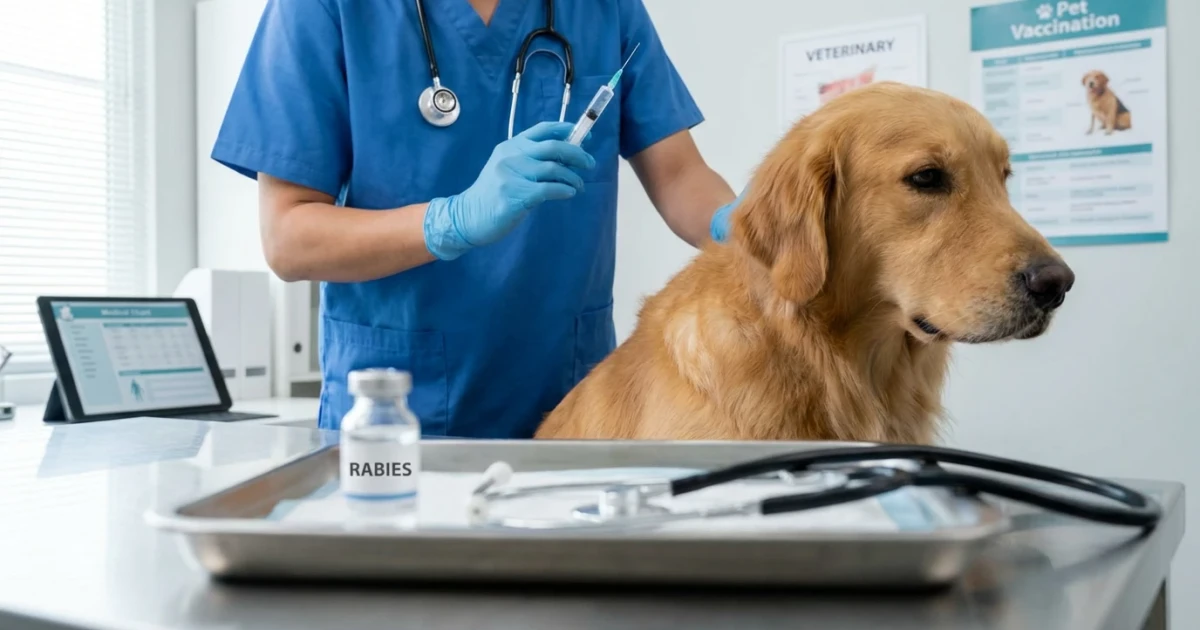
Veterinarians across the country are urging pet owners not to skip crucial vaccinations for their dogs, highlighting rising concerns over vaccine skepticism now spreading beyond humans to pets. As more owners question the necessity of routine shots, experts emphasize the ongoing importance of certain vaccines in safeguarding canine health.
Core Vaccines: The Foundation of Canine Health
According to guidance from leading veterinary associations and as summarized in The Washington Post's recent "Ask a Vet" column, there are five vaccines that no dog should go without. These core vaccines protect against highly contagious and potentially deadly diseases. Regular vaccination schedules, often starting in puppyhood, are designed to provide timely immunity against these risks.
- Rabies: Legally required in most states, the rabies vaccine protects dogs and humans from a universally fatal virus. The Centers for Disease Control and Prevention (CDC) notes that ongoing rabies vaccination programs are a key reason rabies cases in U.S. dogs remain extremely low, with only a handful reported each year according to annual surveillance data.
- Canine Distemper: This deadly virus attacks the respiratory, gastrointestinal, and nervous systems. Vaccines offer reliable immunity, making distemper a rare diagnosis in vaccinated populations.
- Parvovirus: Highly contagious and often fatal, parvovirus primarily affects puppies, causing severe vomiting and diarrhea. Routine vaccination has dramatically reduced outbreaks, but unvaccinated dogs remain at risk.
- Adenovirus (Canine Hepatitis): Vaccination guards against infectious canine hepatitis, a disease affecting the liver, kidneys, and eyes. Including this vaccine as part of the "DAPP" (distemper, adenovirus, parvovirus, parainfluenza) combination is standard practice.
- Parainfluenza: While less deadly, parainfluenza contributes to kennel cough and other respiratory illnesses. It is commonly administered as part of combination vaccines.
These recommendations are supported by the World Small Animal Veterinary Association, which explains that core vaccines should be given to all dogs, regardless of lifestyle or location, to ensure herd immunity and reduce outbreaks of preventable disease.
Vaccine Skepticism: A Growing Challenge
The Washington Post article highlights a recent trend: pet owners, influenced by debates over human vaccines, are increasingly questioning the safety and necessity of dog vaccinations. Some veterinarians report that clients are asking about vaccine intervals, potential side effects, and whether certain shots are truly needed. The American Veterinary Medical Association maintains that the recommended core vaccines are rigorously tested and have an excellent safety record, as reflected in the USDA-licensed product database.
Veterinary experts caution that skipping or delaying core vaccines puts not only individual pets but also the broader community at risk. Outbreaks of diseases like parvovirus can quickly escalate in areas with low vaccination rates, overwhelming shelters and local veterinarians.
Non-Core Vaccines and Annual Check-Ups
In addition to these core vaccines, some dogs may need non-core vaccines based on risk factors such as lifestyle, travel, or potential exposure. Examples include Bordetella (kennel cough), Lyme disease, and leptospirosis. Veterinarians recommend discussing your dog’s individual risk profile during annual wellness exams.
Regular veterinary visits are also an opportunity to catch up on missed shots, check for any emerging health issues, and address pet owners’ questions or concerns about vaccine safety and scheduling.
Key Takeaways for Pet Owners
- Core vaccines—rabies, distemper, parvovirus, adenovirus, and parainfluenza—are considered essential for all dogs.
- Skipping vaccines can leave dogs vulnerable to severe, preventable diseases and contribute to community outbreaks.
- Vaccine safety is closely monitored by veterinary authorities, with rare side effects compared to the risks of disease.
- Discuss your pet’s lifestyle and exposure risks with your veterinarian to determine if additional vaccines are needed.
As the conversation around vaccines continues, experts stress that responsible immunization remains a cornerstone of pet health. Staying up-to-date protects not just your dog, but the broader community—ensuring that dangerous diseases remain rare or eradicated.