Technology
EssilorLuxottica and Applied Materials team up on AI glasses
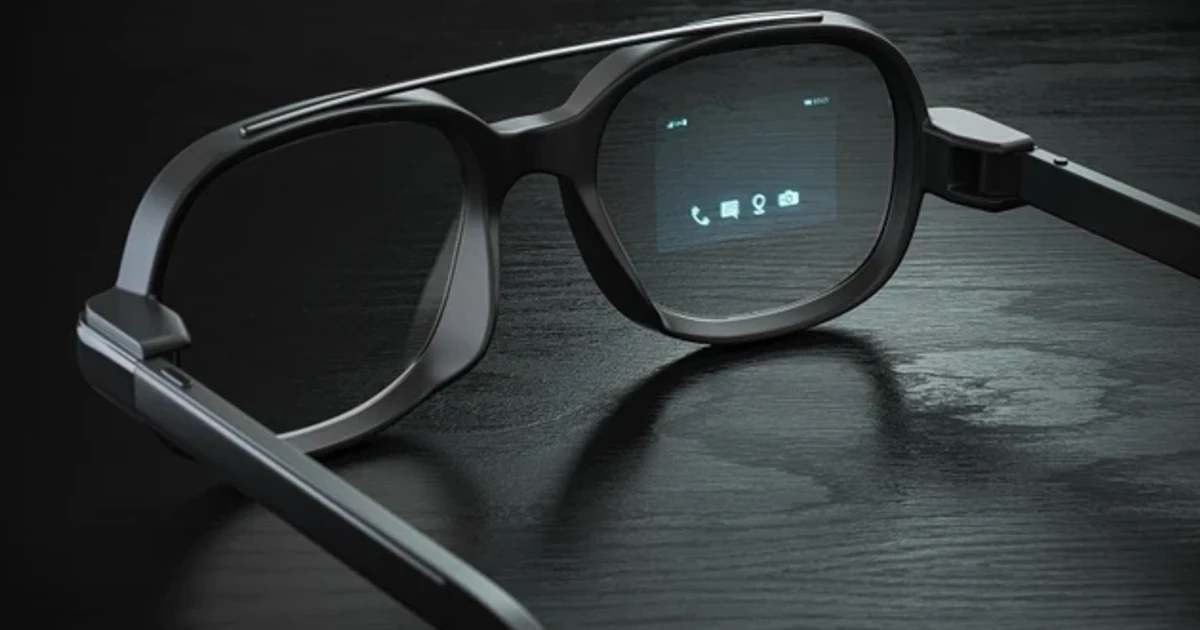
EssilorLuxottica has teamed up with Applied Materials in a long-term development pact aimed at one of consumer tech’s hardest problems: making AI glasses that look like normal eyewear and still deliver useful augmented-reality visuals. The alliance brings together the world’s largest eyewear maker, with its control over frames, lenses and retail-facing design, and a U.S. chip-equipment company known for deep manufacturing expertise.
Applied Materials said the collaboration is intended to accelerate commercialization of next-generation intelligent optical systems for augmented reality and AI-powered smart eyewear. The work centers on waveguide technologies and an AR optical lens stack, the technical layers that determine whether digital images appear bright and readable without turning glasses into a bulky science project. That is the core bottleneck in wearable computing: a device can be fashionable, but if the display is weak, the battery drains too fast, the frame feels heavy, or the price is out of reach, most people will leave it in a drawer.
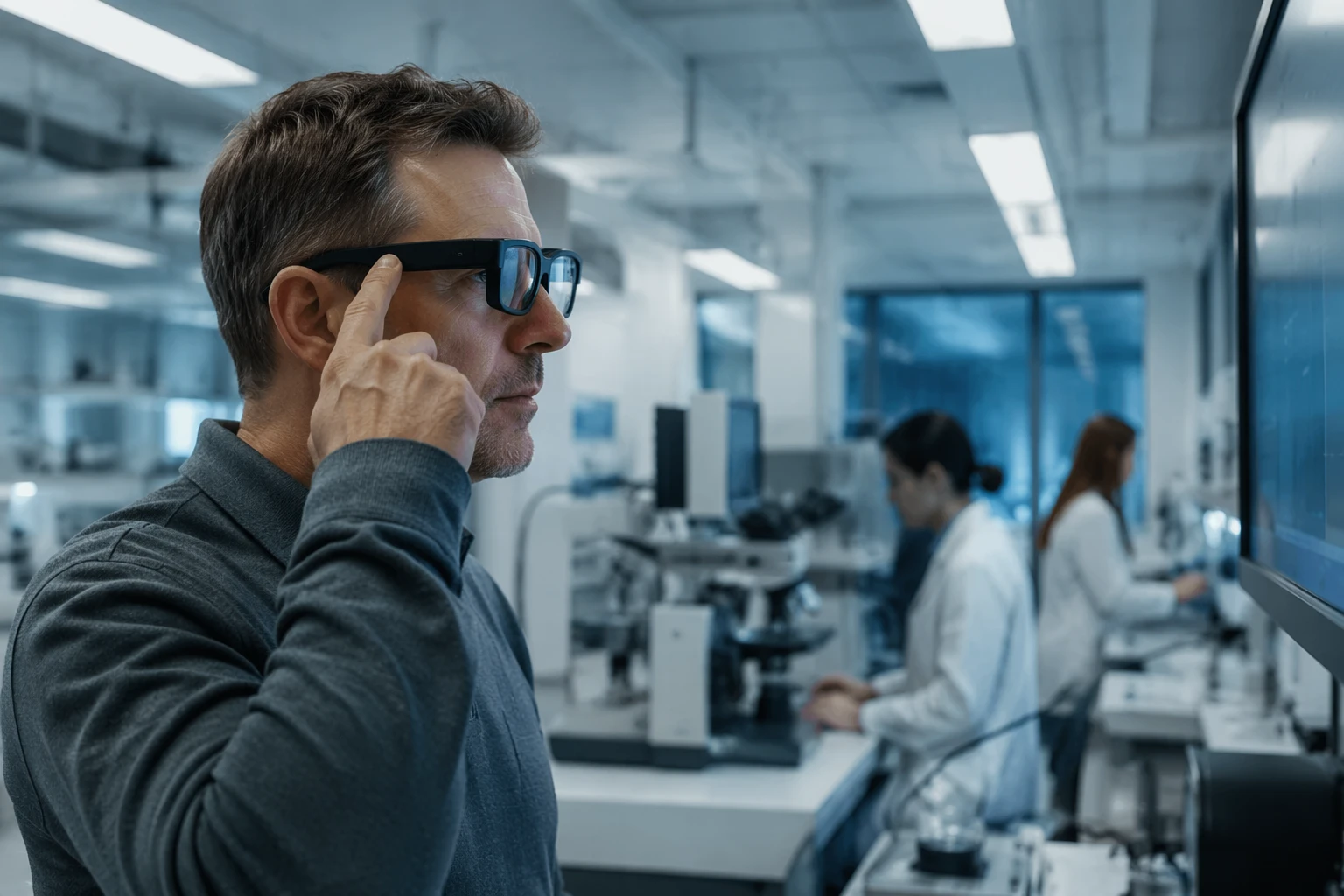
The deal arrives as EssilorLuxottica pushes harder into the category. In September 2025, the company said Ray-Ban Meta was the world’s No. 1 selling AI glasses line, and EssilorLuxottica and Meta Platforms unveiled Meta Ray-Ban Display at Meta Connect in 2025. EssilorLuxottica’s 2025 annual report says its strategy includes advancing med-tech solutions, pioneering AI-powered wearables and digital innovation, underscoring that connected eyewear is becoming more central to the company’s growth plan.
Manufacturing is part of that push. EssilorLuxottica said it planned to begin producing smart eyewear in Italy by early 2027 at its Agordo plant in Veneto. That matters because smart glasses will not become a mass-market product unless they can be built at scale without losing the comfort and fashion cues that make eyewear something people actually want to wear all day.

Applied Materials is also broadening its own role. Best known for serving semiconductor manufacturers, the company is positioning this partnership as an extension of its materials-engineering expertise into smart eyewear and AR optics. The agreement did not include a public product launch date, but it marks another step in a race that has long stalled between promising demos and everyday use. For consumers, the prize is simple: glasses that are light enough to wear, sharp enough to trust and useful enough to justify the cost.