Lifestyle
Estonia's Seto people preserve borderland traditions and UNESCO singing heritage

In Estonia’s southeastern borderlands, the Seto people have turned songs, costumes, and village ritual into a defense against disappearance. Their community is small, but its cultural reach is far larger than its numbers because it sits at the meeting point of language, religion, and a frontier that has repeatedly split and reshaped family life.
Borderland identity in Setomaa
Setos are one of Estonia’s ethnic and linguistic minority communities, with traditional territory in Setomaa, a region that spans parts of southeastern Estonia and the Pechory region of the Russian Federation. That geography matters as much as any census figure: borders have not only divided the area on maps, they have also interrupted kinship networks, trade, and everyday community life.
The result is a form of identity that has stayed distinct under pressure. Seto speech, oral tradition, and communal celebration have remained visible markers of belonging, while traditional dress and village customs keep the culture legible to outsiders and meaningful to younger generations. In a country where national identity is often described through language and land, the Setos show how a minority can preserve its own version of both.
A singing tradition with global recognition
The best-known expression of Seto culture is leelo, the Seto polyphonic singing tradition. UNESCO inscribed Seto leelo on the Representative List of the Intangible Cultural Heritage of Humanity in 2009, giving the community an internationally recognized cultural marker and placing its singing alongside other safeguarded traditions of the world.
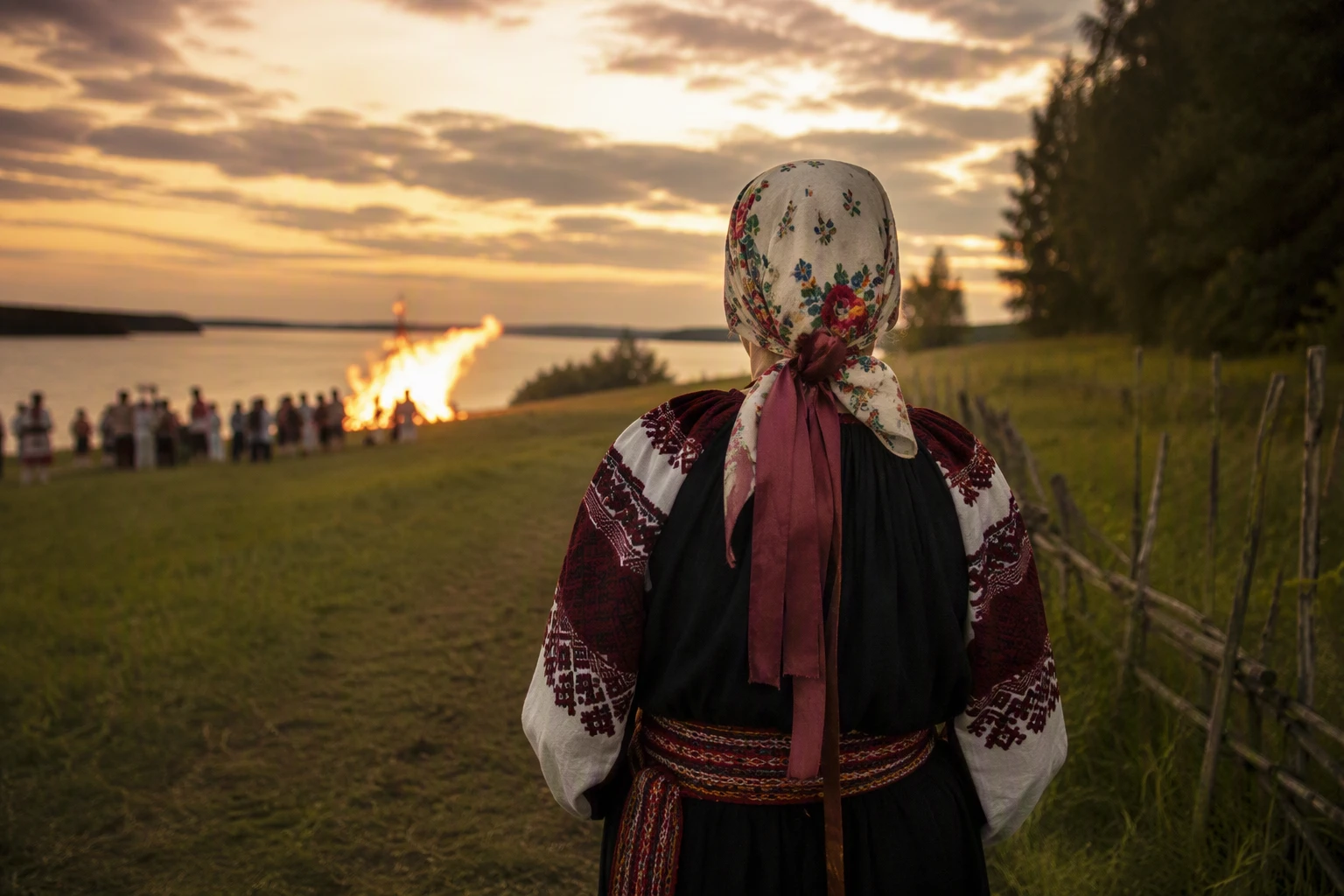
UNESCO describes leelo as a unique polyphonic local style that evolved from earlier runo singing traditions of the Balto-Finnic peoples. That lineage matters because it ties Seto practice to a broader historical soundscape in the region, while still preserving something unmistakably local in performance and form. For the Setos, leelo is not just a heritage label. It is a living practice that signals continuity across generations.
The language base is thin enough to make that continuity fragile. Public background material places the number of fluent Seto speakers at only a few thousand, which means the survival of the tradition depends on repeated use in homes, choirs, festivals, and community life. When a language narrows to that scale, every performance becomes a form of preservation.
Small numbers, scattered lives
The Seto population is variously described in public background material as about 15,000 people in Estonia and another 300 in Russia. Another estimate places about 2,000 Setos in Estonia’s historical Setomaa and 15,000 to 20,000 elsewhere in Estonia. Those figures do not line up neatly, but they point to the same reality: the Setos are a dispersed minority whose identity cannot be measured only by residence in one compact homeland.
That dispersion helps explain why customs carry such weight. When a community is split across different places and generations, the visible signs of belonging do a lot of work. Leelo singing, ceremonial dress, and local rituals become more than cultural flourishes. They are the social glue that keeps the group recognizable even when members live far from the historical heartland.
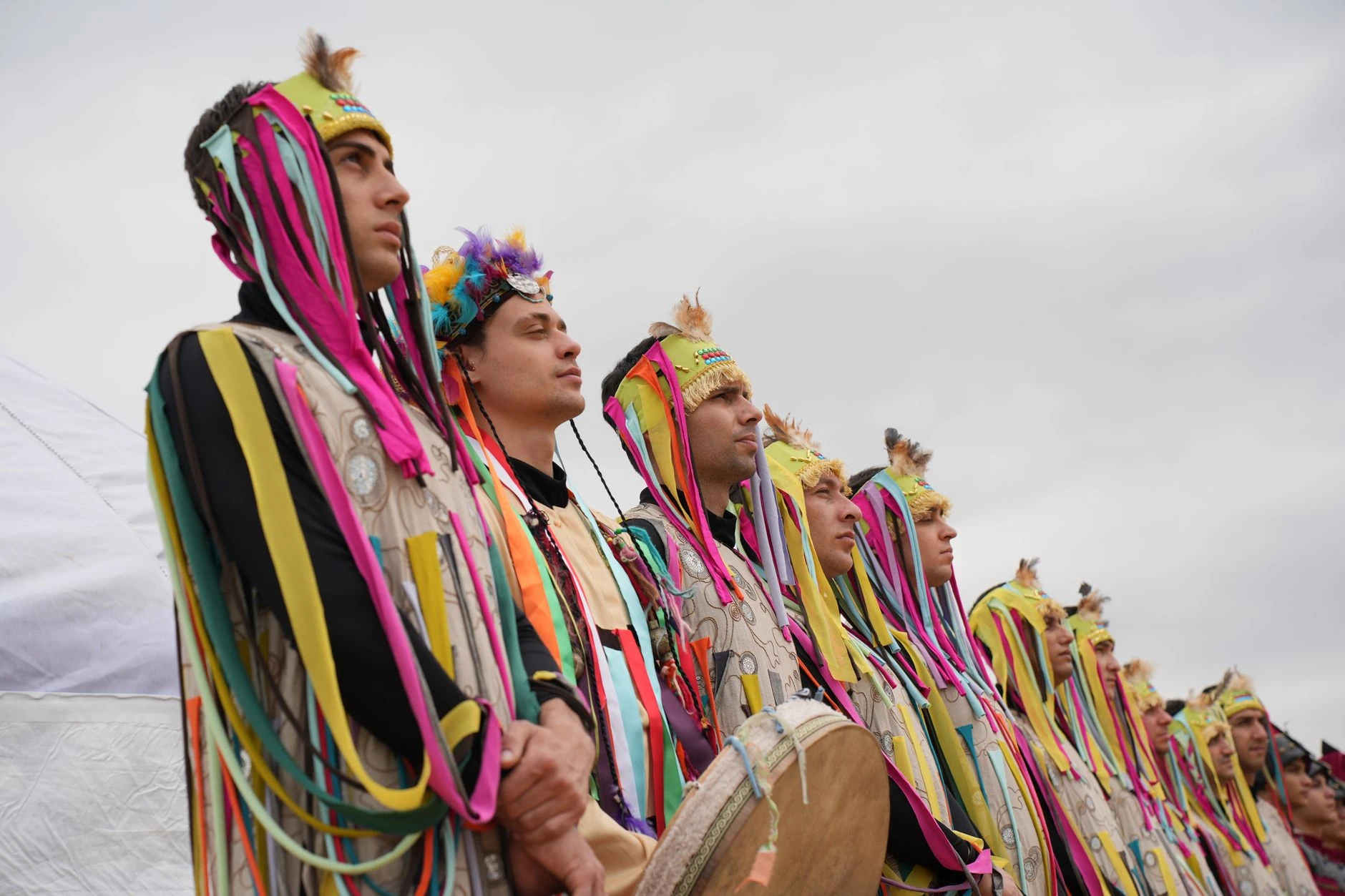
For a national audience, that is the larger lesson of the Seto story. Small ethnic communities often survive not because they are insulated from change, but because they build routines that can move with people. The Setos have done that through performance, memory, and family transmission.
Seto Kingdom Day and the public performance of identity
One of the clearest examples is Seto Kingdom Day, an annual gathering launched in 1994. The event is held on the first Saturday of August and turns Mikitamäe into the Seto Kingdom for a day, complete with mock state rituals and a symbolic public role for the community.
That invented kingdom gives the Setos a way to stage sovereignty without claiming political separation. It is part celebration, part civic theater, and part cultural statement. Thousands of visitors come to the gathering, which has made the event one of the most visible public expressions of Seto identity in Estonia.
The symbolism is important because it reveals how minority communities often protect themselves through public performance. A ritual that might look folkloric from a distance becomes, on closer inspection, a deliberate act of communal self-definition. In the Seto case, the kingdom is temporary, but the message is durable: identity can be asserted in public without being absorbed into the majority culture.
Tradition under modern pressure
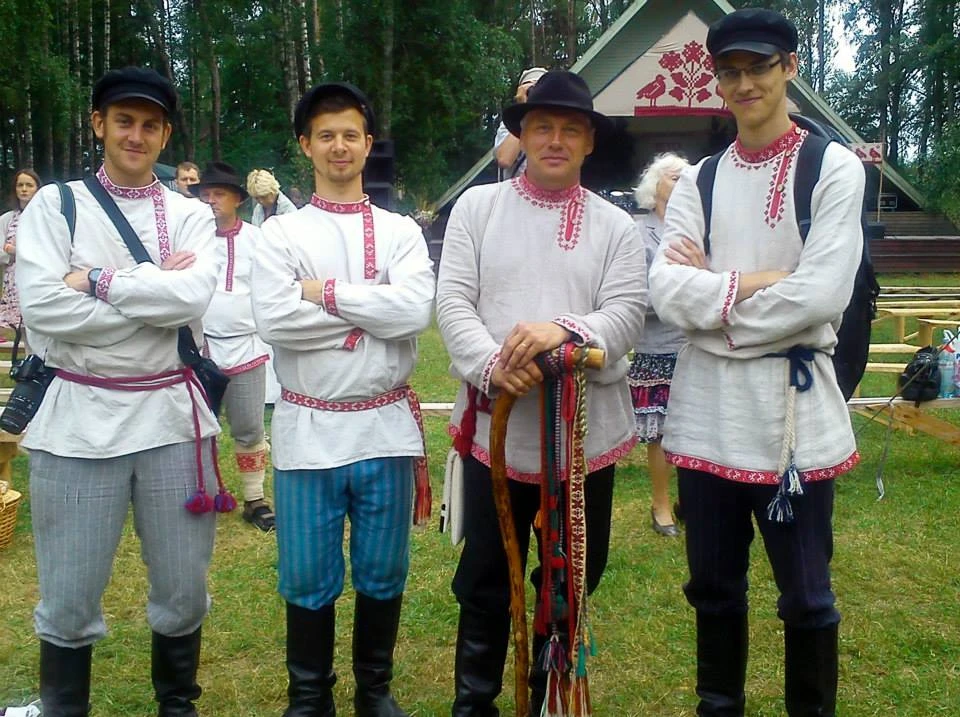
The Seto example speaks to a broader European tension between cultural survival and assimilation. Borders, migration, and state-building have all put pressure on smaller communities, especially those whose homelands were divided by changing frontiers. The Setos have responded by keeping their rituals visible and their language audible, even as modern life pulls younger people toward cities and away from village life.
That is why the Seto story resonates beyond southeastern Estonia. It is not simply a regional curiosity or a heritage snapshot. It is a case study in how minority communities try to remain themselves when modern statehood rewards uniformity and mobility. The answer, in Setomaa, has been to keep singing, keep gathering, and keep marking the year with customs that tie the present to the past.
UNESCO recognition in 2009, the endurance of Seto Kingdom Day since 1994, and the continued presence of Setomaa-focused cultural and tourism institutions all point to the same conclusion: Seto identity is not frozen in memory. It is actively maintained, publicly performed, and still central to how this borderland community understands itself.
Sources
- [1]apnews.com
- [2]ich.unesco.org
- [3]news.err.ee
- [4]fennougria.ee
- [5]visitsetomaa.ee
- [6]seattletimes.com
- [7]visitestonia.com
- [8]picnicatthecathedral.com
- [9]stat.ee
- [10]rahvaloendus.ee