Science
Eta Aquarid Meteor Shower Peaks Across Night Skies
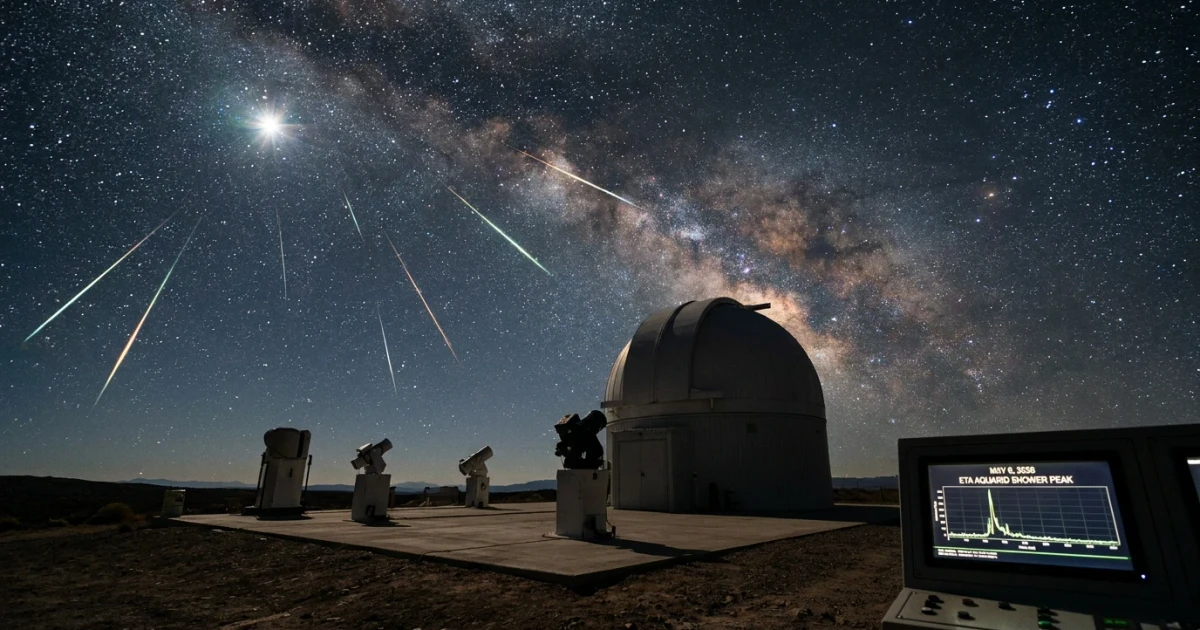
Skywatchers across the globe are preparing for one of the year’s most anticipated celestial events as the Eta Aquarid meteor shower reaches its peak tonight. The annual display, known for its fast and bright meteors, is expected to light up the night sky with dozens of shooting stars per hour for those with clear skies and ideal viewing conditions.
Prime Viewing Times and Locations
The Eta Aquarid meteor shower, which occurs each May, is best observed in the pre-dawn hours. According to recommendations from space and astronomy outlets, the peak activity for 2026 is expected between 2 a.m. and dawn local time, when the radiant—the point in the sky from which the meteors appear to originate—rises higher above the horizon. Observers in the Southern Hemisphere typically enjoy the best displays, as the radiant climbs higher in their sky, but those in lower northern latitudes can also catch a substantial number of meteors.
To maximize your chances for a spectacular view:
- Find a dark location away from city lights.
- Allow at least 20-30 minutes for your eyes to adjust to the darkness.
- Look toward the eastern horizon, near the constellation Aquarius, but keep your gaze sweeping across the sky.
Meteor Rates and What to Expect
The Eta Aquarids are known for a relatively high Zenithal Hourly Rate (ZHR), which measures the maximum number of meteors visible under ideal conditions. This year, observers could see up to 50 meteors per hour at the shower’s peak, according to data from the International Meteor Organization. Actual numbers will vary based on your location and the level of light pollution.
Eta Aquarid meteors are typically swift—entering Earth’s atmosphere at approximately 66 kilometers per second. Their high speeds often lead to persistent trains or glowing trails that can linger for several seconds after the meteor has passed. Most meteors are bright, but the shower tends to produce fewer fireballs (exceptionally bright meteors) compared to other annual showers.
Origins and Science Behind the Eta Aquarids
The Eta Aquarid shower is caused by debris left behind by Halley’s Comet, which last passed through the inner solar system in 1986. As Earth plows through this trail of dust and ice, tiny particles burn up in the upper atmosphere, creating the streaks of light we see as meteors. Halley’s Comet is also responsible for the October Orionid meteor shower, giving stargazers two annual opportunities to witness remnants of this famous comet.
Tips for a Successful Meteor Watch
- Check weather forecasts for clear skies in your area.
- Bring a reclining chair or blanket—meteor watching is best done lying back and looking up.
- Dress warmly, as pre-dawn hours can be chilly even in late spring.
- Be patient: meteors often come in bursts, with lulls in between.
Looking Forward
The Eta Aquarids are a highlight of the spring night sky, drawing both seasoned astronomers and casual stargazers. Those unable to catch tonight’s peak can still look for increased meteor activity in the days before and after the maximum, though rates will be somewhat lower.
For more meteor shower activity, view the official 2026 Meteor Shower Calendar or explore European Space Agency research on meteoroid streams and their origins. Whether you’re a first-time observer or an avid night sky watcher, the Eta Aquarids offer a memorable show—if the weather and timing align.