US News
Etan Patz disappearance shaped America’s missing-children movement
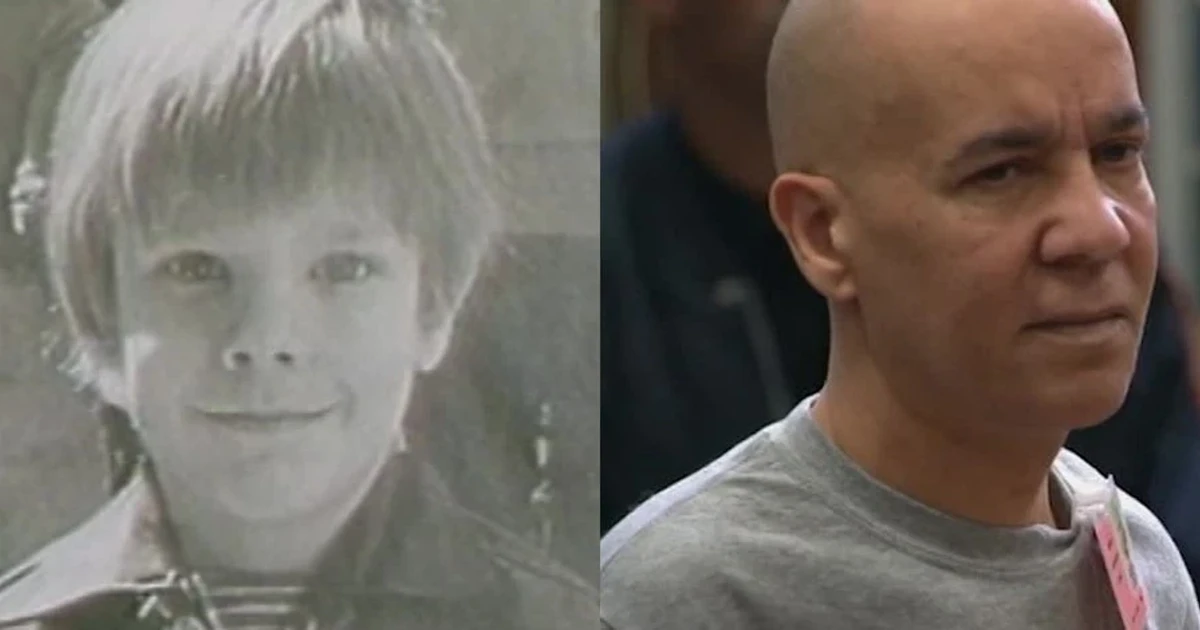
Etan Patz’s disappearance still casts a long shadow over American criminal justice because the case never ended with a body, a clean narrative or a simple legal ending. On Monday, the U.S. Supreme Court reinstated the murder conviction of Pedro Hernandez, the former local delicatessen worker convicted in 2017 of kidnapping and murdering the 6-year-old boy, and blocked the path to a third trial.
Etan disappeared on May 25, 1979, while walking alone for the first time to a school bus stop in SoHo, Lower Manhattan, just two blocks from his home. He had asked his parents to let him make the short walk on his own and carried a dollar to buy a soda at a corner deli. He never made it to school, and his body has never been found.
The case became one of the most notorious missing-child cases in the United States and helped drive the missing-children movement that followed. Etan was among the first missing children featured on milk cartons, and the anniversary of his disappearance became National Missing Children’s Day. His parents also helped push for new laws, including a national hotline and better information-sharing among law enforcement agencies, turning private grief into lasting public policy.
Hernandez’s path through the courts shows how emotionally charged old cases can keep testing the justice system long after the original disappearance. His first trial ended in a mistrial. A lower federal appeals court later overturned the verdict, but the Supreme Court reversed that outcome by a 6-3 vote, restoring the 2017 conviction and ending the immediate prospect of another prosecution.
That legal fight matters beyond one Manhattan case. In a prosecution built around a child who vanished without a trace, decades of appeals forced judges to weigh how much deference to give a jury verdict and how to handle evidence that has aged alongside the case itself. The ruling left intact the conviction in a matter that has long stood for the limits of certainty when a child disappears in broad daylight and the search never produces an answer.
Nearly 47 years after Etan Patz walked out of his New York City home headed for a bus stop, the case still defines how the country remembers missing children and how courts confront unresolved crimes that never stop demanding a reckoning.
Sources
- [1]cbsnews.com
- [2]usnews.com
- [3]abcnews.com
- [4]nj.com