Health
Ethicists weigh organ donation after euthanasia as practice spreads
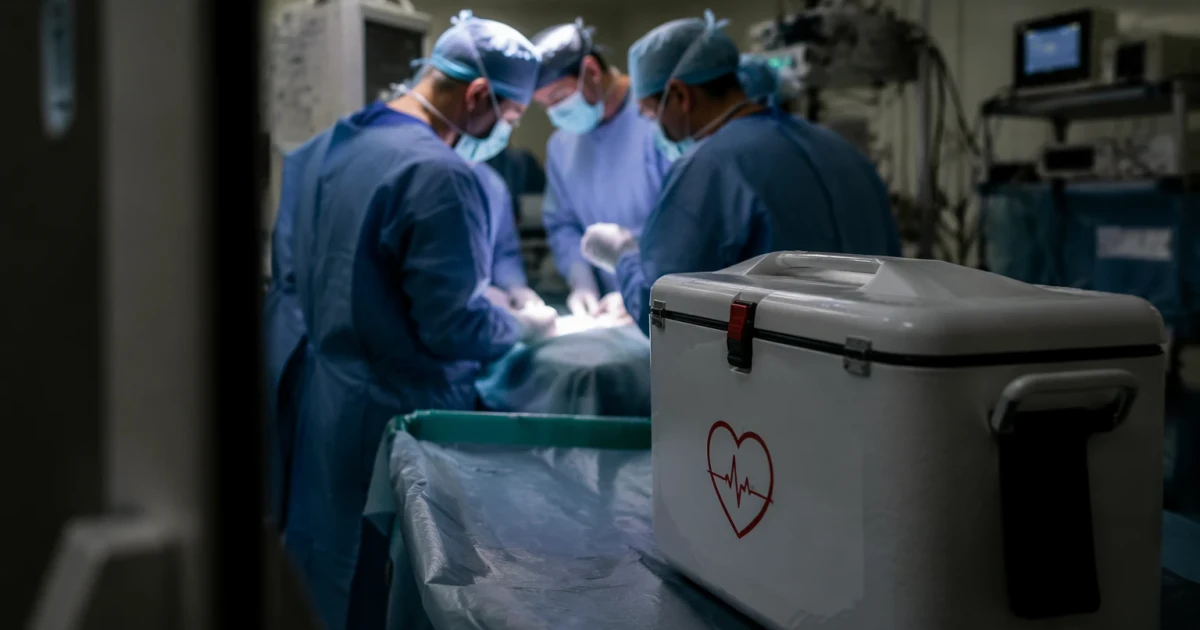
The sharpest question in organ donation after euthanasia is not whether the surgery can work. It is whether a patient facing death can still decide freely when the prospect of helping someone else enters the room. That tension now defines practice in Belgium, Canada, the Netherlands and Spain, where the pathway exists under strict clinical safeguards and remains one of the most emotionally charged corners of transplant medicine.
The ethical fault line
The central concern is simple and unsettling: the wish to donate organs could influence the wish to die. Canadian transplant ethics guidance treats that as the most important risk and says any discussion of organ donation should come only after the decision for medical assistance in dying, or withdrawal of life-sustaining measures, has already been made. That sequencing is meant to keep the donation conversation from becoming part of the pressure that shapes the end-of-life choice.
Bioethicists worry that the line between consent and coercion can blur fast. If a patient believes organ donation could provide a social good, or help a relative waiting for a transplant, the choice to proceed with euthanasia can begin to carry a moral obligation that was never intended. The worry is not that most patients are coerced, but that the structure of the conversation can make a freely made decision harder to distinguish from one quietly steered by hope, duty or guilt.
Where the practice is already happening
A 2024 review places organ donation after medically assisted dying in four countries: Belgium, Canada, the Netherlands and Spain. A 2023 review described the practice as medically and ethically feasible under strict conditions, which helps explain why it has moved from a niche question to an established part of transplant ethics in parts of Europe and North America.
Belgium has the longest documented experience. The first reported organ donation after euthanasia case there dates to 2005. One Belgian review said 17 patients later had their wish for donation after euthanasia fulfilled, while another hospital series found four patients in two Belgian university hospitals who requested donation after their request for euthanasia was granted between 2005 and 2007. That history matters because it shows the practice did not emerge as an isolated one-off. It developed into a clinical pathway that Belgian teams have now managed for years.
The Netherlands has followed a different but related path. Recent studies say the number of organ donation after euthanasia procedures has grown substantially there, and some clinicians now discuss the option even in cases involving psychiatric suffering. Those same studies also stress how difficult it can be to find both a physician willing to perform euthanasia and a donor hospital prepared to carry out procurement, which shows that legal permission does not automatically translate into routine access.
What the numbers show in Quebec
Quebec has become the clearest North American case study. A study found that 64 people donated organs after receiving medical assistance in dying from 2018 through the end of 2022. In the final year of that study, those donations accounted for 14% of all gifted organs, a striking share for a pathway that remains ethically contested elsewhere.
The trend line rose quickly. A BMJ report said organ donation after MAiD in Quebec increased from 4.9% of deaths in 2018 to 14% in 2022. That jump suggests the practice is moving beyond exception status in some systems, especially where MAiD is already legal and transplant centers have built specific protocols around consent, timing and procurement.
Why transplant teams still see a medical case
The ethical debate would be less intense if the medical results were poor, but they are not. Researchers report that organ donation after euthanasia can produce good outcomes for kidneys, livers and lungs, and at least one case has led to a successful heart transplant. A study from the Netherlands found particularly promising kidney outcomes compared with other deceased-donor categories.
Those results explain why transplant clinicians pay close attention to the issue. Organ shortage remains the larger backdrop, and that shortage gives every additional donor case outsize weight. In a system where waiting lists stay long and organs remain scarce, even a small increase in usable donations can save lives. That does not settle the ethics, but it does explain why the practice keeps expanding where the law allows it.
How the safeguards are supposed to work
The safeguards are designed to separate the death decision from the donation decision as cleanly as possible. The Canadian guidance is explicit that the organ donation conversation should begin only after the decision for MAiD or withdrawal of treatment is final. The American Journal of Transplantation has framed the request for euthanasia combined with organ donation as the result of multiple conversations between patient and physician, not a single hurried decision.
That process is meant to preserve autonomy, but it also exposes the practical limits of any safeguard. In real life, a patient may hear about transplant possibilities early, may know someone who needs an organ, or may already be thinking about legacy and usefulness at the end of life. The stricter the protocol, the more it tries to keep those pressures separate. The more emotionally charged the case, the harder that separation can be to maintain.
The United States remains outside this model
A Canadian guidance document notes that euthanasia is illegal in the United States, which means this specific donation pathway is not available there under that framework. That legal boundary matters because it keeps the American debate in a different place, one shaped more by physician-assisted dying statutes in some states than by the euthanasia-based systems seen in Belgium, Canada, the Netherlands and Spain.
The broader argument is unlikely to fade. Organ donation after euthanasia sits at the intersection of end-of-life autonomy, transplant need and the dead donor rule, and each of those principles pulls in a different direction. As more countries test the model, the question is no longer whether the practice can be organized. It is whether health systems can protect a dying patient’s freedom while still honoring a wish to give life after death.
Sources
- [1]npr.org
- [2]ncbi.nlm.nih.gov
- [3]sciencedirect.com
- [4]orbi.uliege.be
- [5]cbc.ca
- [6]bmj.com
- [7]frontierspartnerships.org