World
EU adds 34 people and 47 entities to Russia sanctions list
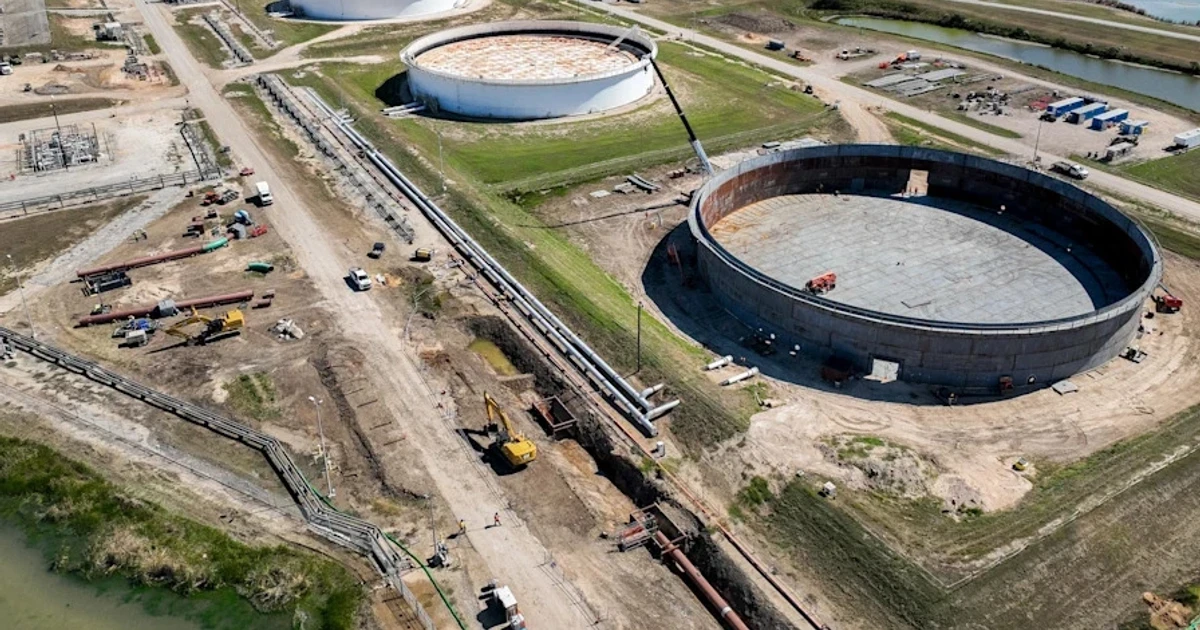
The latest EU sanctions round aimed at more than just names on a list: it went after the shipping routes, suppliers and influence networks that help keep Russia’s war economy moving. By adding 34 individuals and 47 entities, Brussels tried to squeeze the military-industrial complex, the shadow fleet that carries sanctioned oil, and the machinery of propaganda and repression that supports the Kremlin’s campaign.
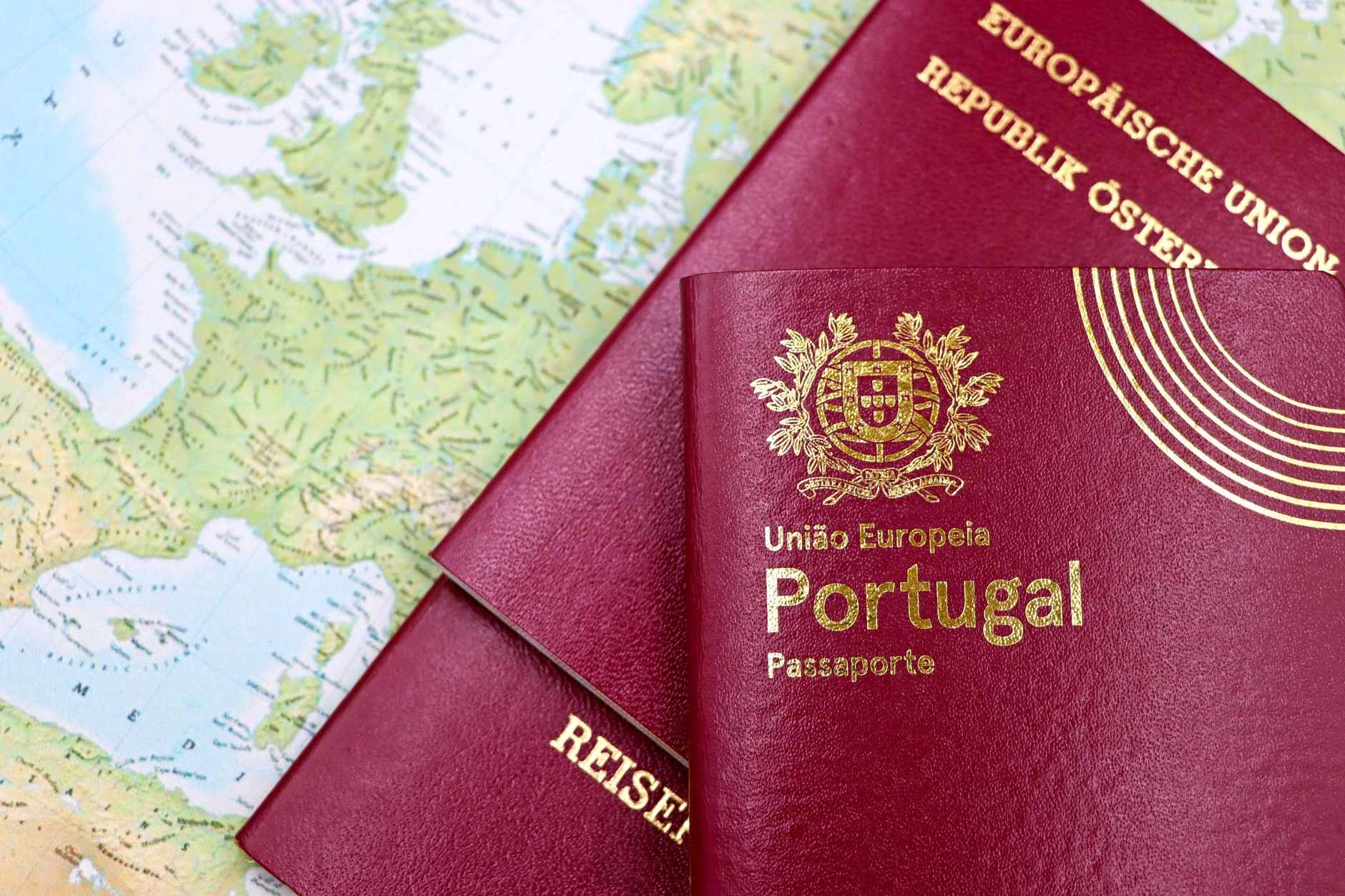
The Council of the European Union said the package targeted Russia’s military-industrial complex, its shadow fleet ecosystem, human-rights violations and Moscow’s repeated disregard for the Chemical Weapons Convention. Kaja Kallas said the measures were meant to “put more pressure on Russia to end the war,” and said Western sanctions had already cost Russia an estimated €1 trillion to €1.3 trillion. The new action came as a broader 21st sanctions package remained under discussion, underscoring that this was another layer of pressure rather than the final word from EU capitals.
Among the most consequential listings were entities tied to defense production and supply chains. The Council said seven individuals and 21 entities were targeted for supporting Russia’s military-industrial complex and its enablers in third countries. The list included the Lavochkin Research and Production Association, linked to Roscosmos, along with Chinese firms Shenzhen Minghuaxin and Xinxiang Richful Lubricant Additive Company. Brussels also moved against actors connected to drone and military-supplies networks, showing that the bloc is now trying to disrupt the inputs that feed weapons production, not just sanction the weapons themselves.
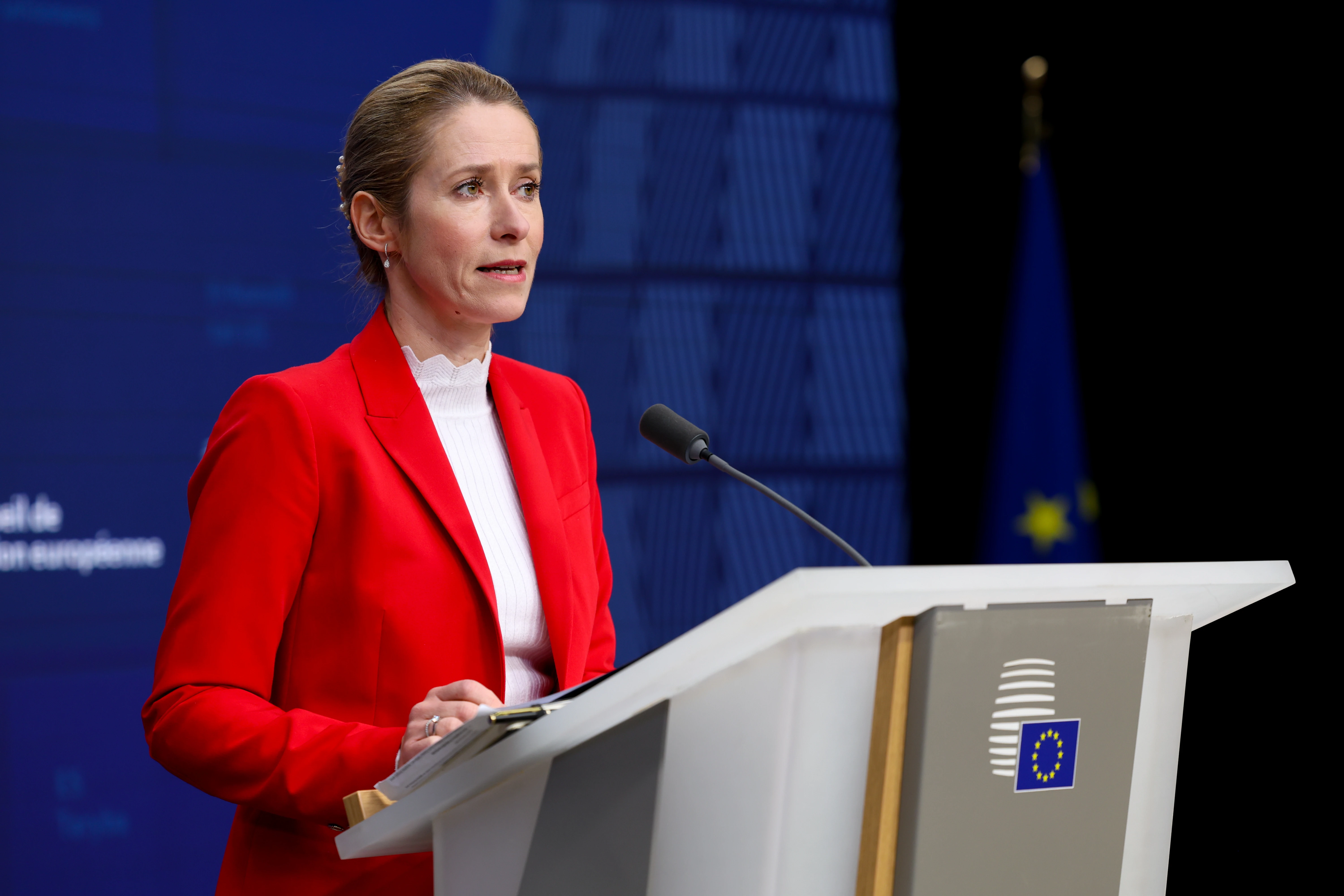
Another main focus was the shadow fleet, the web of tankers and intermediaries that has helped Moscow move crude oil and petroleum outside the normal commercial system. That part of the package matters because oil revenue remains one of the clearest sources of cash for the Russian state. By targeting those ships and the people behind them, the EU is trying to make that route more expensive, less reliable and easier to police.
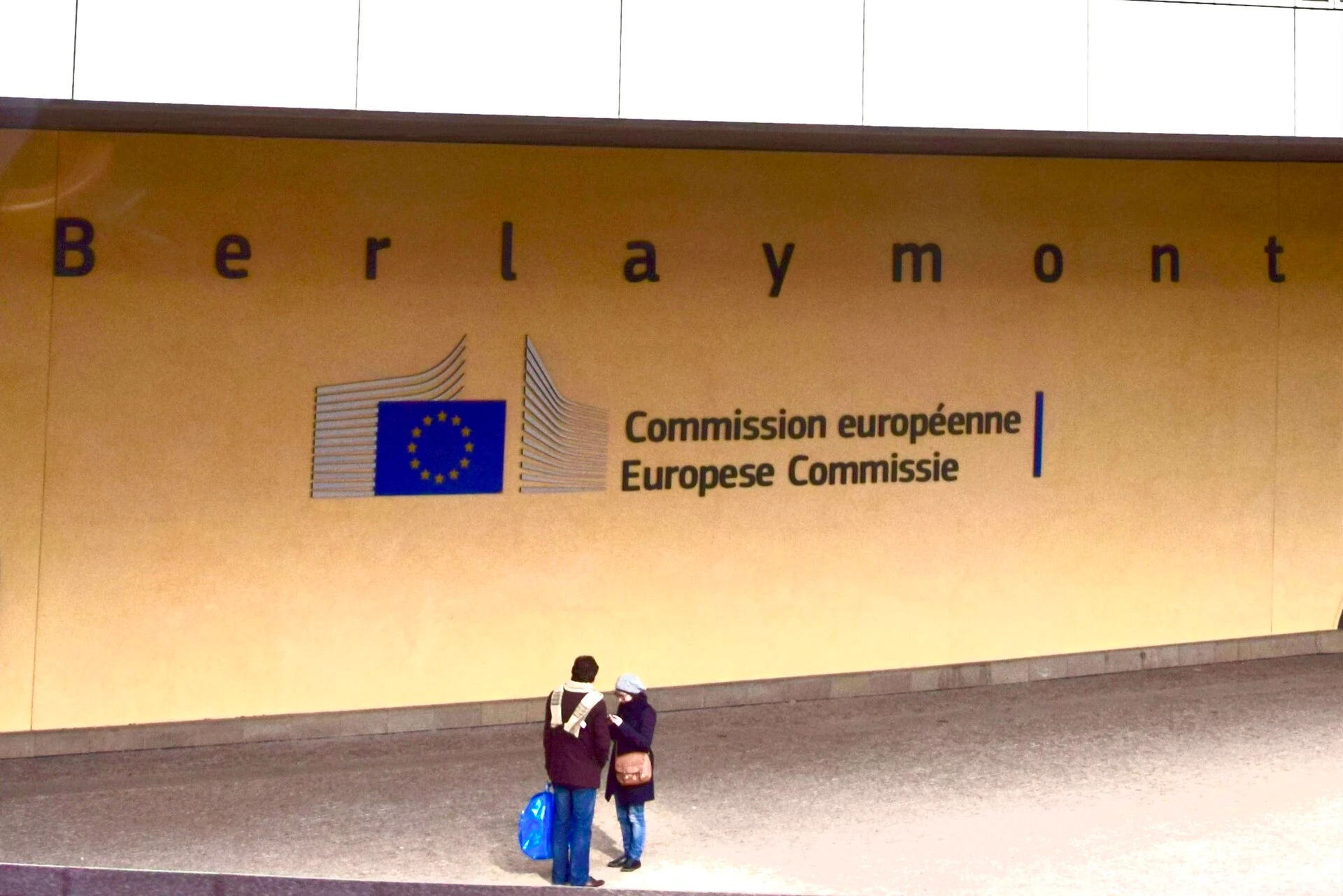
The June 15 action also carried a political message beyond the battlefield. The Council said separate listings struck at propaganda networks and at figures linked to Alexei Navalny’s persecution, poisoning and death, including judges, prosecutors, law-enforcement officers, security officials and medical staff. It also sanctioned six individuals over efforts to destabilise Moldova and renewed measures connected to the annexation of Crimea and Sevastopol. Taken together, the package shows an EU still willing to widen the cost of Russia’s war, even as enforcement and loopholes will determine how much pain those designations ultimately deliver.