World
EU border checks threaten delays for UK travelers across Europe
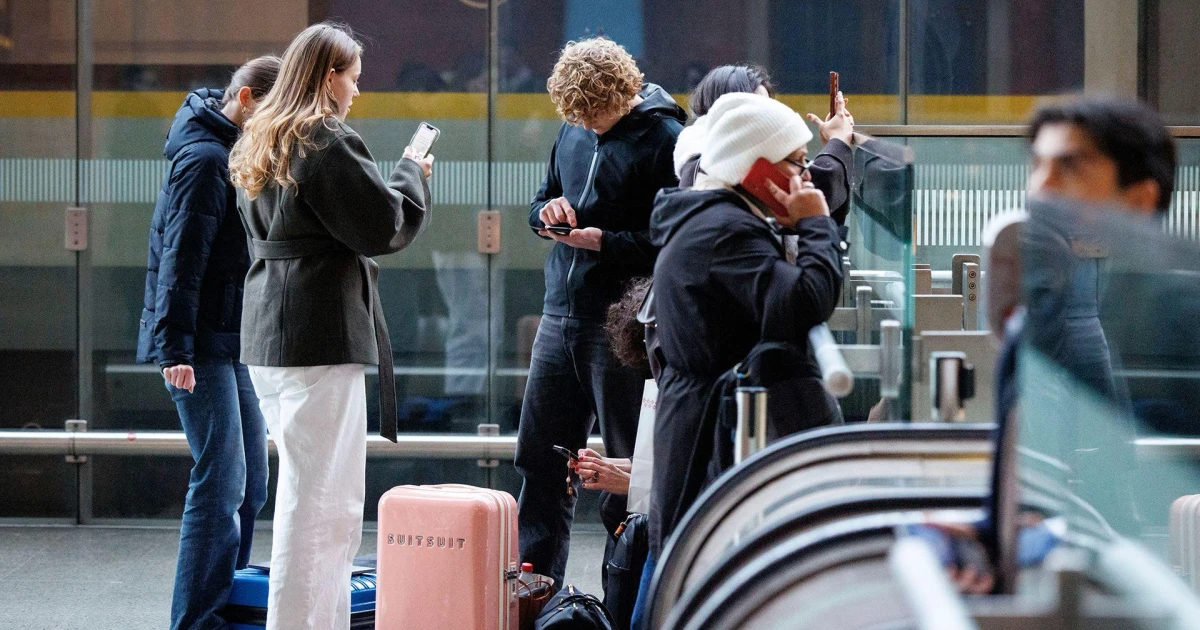
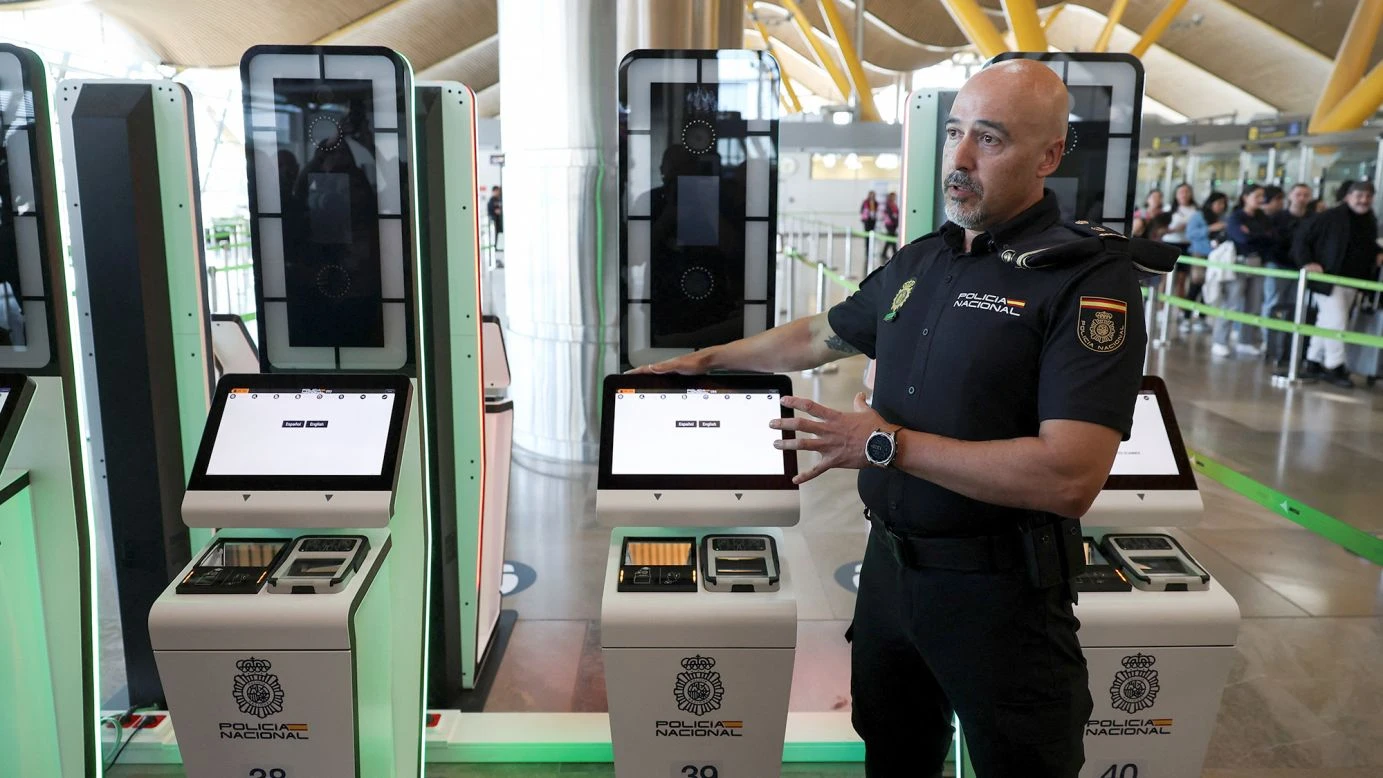
The EU’s Entry/Exit System became fully operational on 10 April 2026, turning passport control for UK travelers into a biometric check at borders across 29 European countries. Instead of a manual stamp, border officers now record facial images, fingerprints and passport details for short-stay non-EU nationals, including Britons, who are treated as third-country travelers because the United Kingdom is outside the EU and Schengen area.
The change is already visible at airports, ferry ports and rail terminals, where passengers may face extra screening before they reach passport control. The system applies to non-EU nationals making stays of up to 90 days in any 180-day period, which means the queues most likely to lengthen are those serving holidaymakers, weekend visitors and business travelers moving through busy hubs at peak times. Airport and airline groups have warned that the border shift is not just a paperwork change but a physical one, with more time needed for fingerprint capture, facial scans and document checks at busy checkpoints.
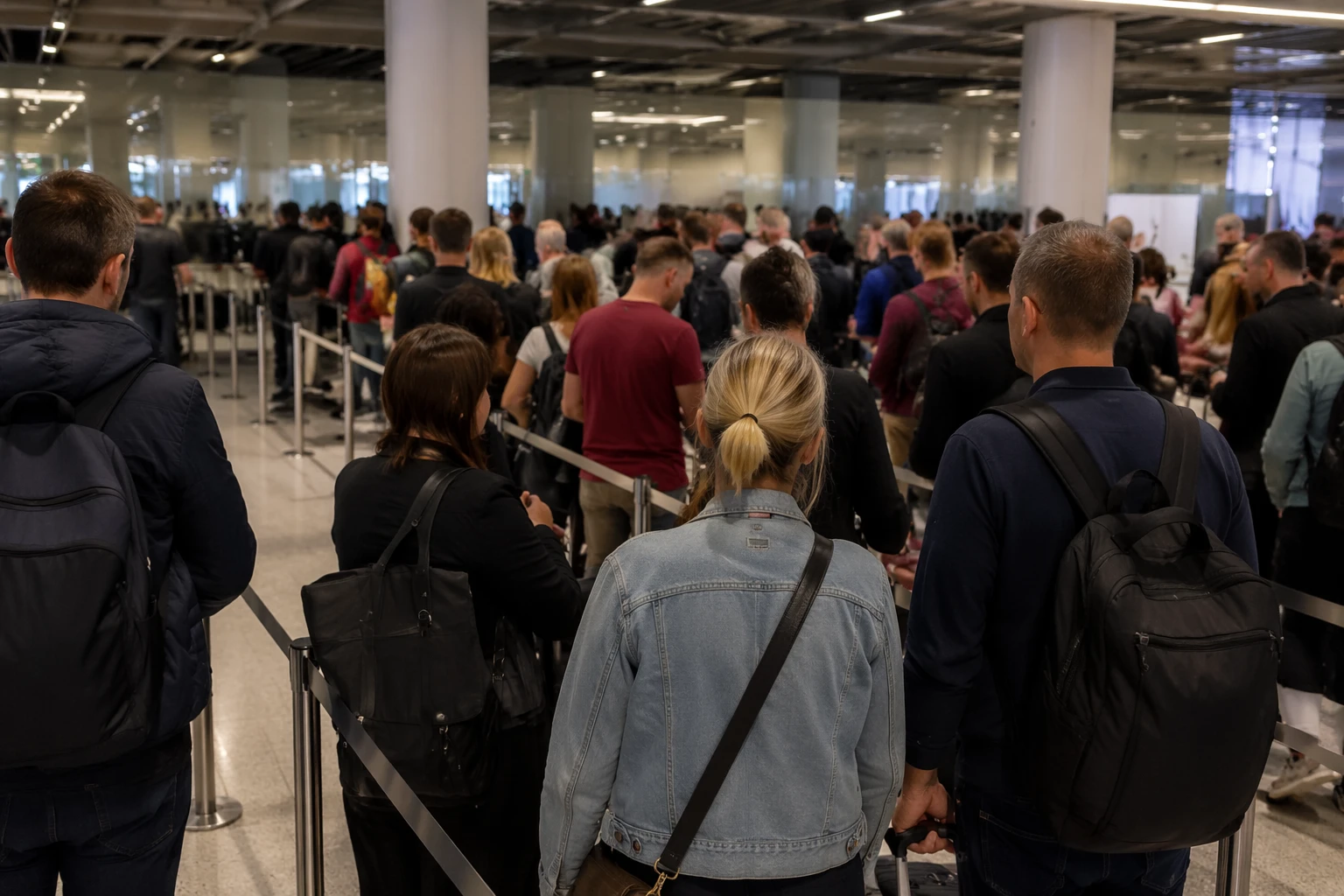
That warning sharpened in February 2026, when ACI EUROPE, Airlines for Europe and the International Air Transport Association said the system was still causing significant delays and called for an immediate review. Their concern was practical: the first full summer peak since full operation would test whether border staffing, equipment and technical rollout could handle the volume. The European Commission said more than 45 million border crossings had already been registered by 30 March 2026 during the progressive rollout, a sign of scale but also a reminder of how quickly the new regime was being pushed across the continent.
British officials have been preparing travelers for months. The government launched a public awareness campaign on 8 September 2025, before the system’s start on 12 October 2025, and later updated its guidance as the border checks rolled out. That campaign was aimed at making sure passengers understood that the old passport-stamp routine had ended and that the new process could slow them down, especially in crowded terminals where every added stop can ripple into missed connections and longer holds at departure gates.
For travelers crossing the Channel, the stakes are most immediate at the places where border infrastructure is tightest: major airports, ferry ports and Eurostar terminals. The summer travel season now serves as the clearest stress test for whether Europe’s new digital border system can move passengers more smoothly, or simply move the bottlenecks somewhere else.
Sources
- [1]bbc.co.uk
- [2]home-affairs.ec.europa.eu
- [3]iata.org
- [4]gov.uk
- [5]commission.europa.eu
- [6]travel-europe.europa.eu