Business
EU charges Temu over alleged obstruction of subsidy probe

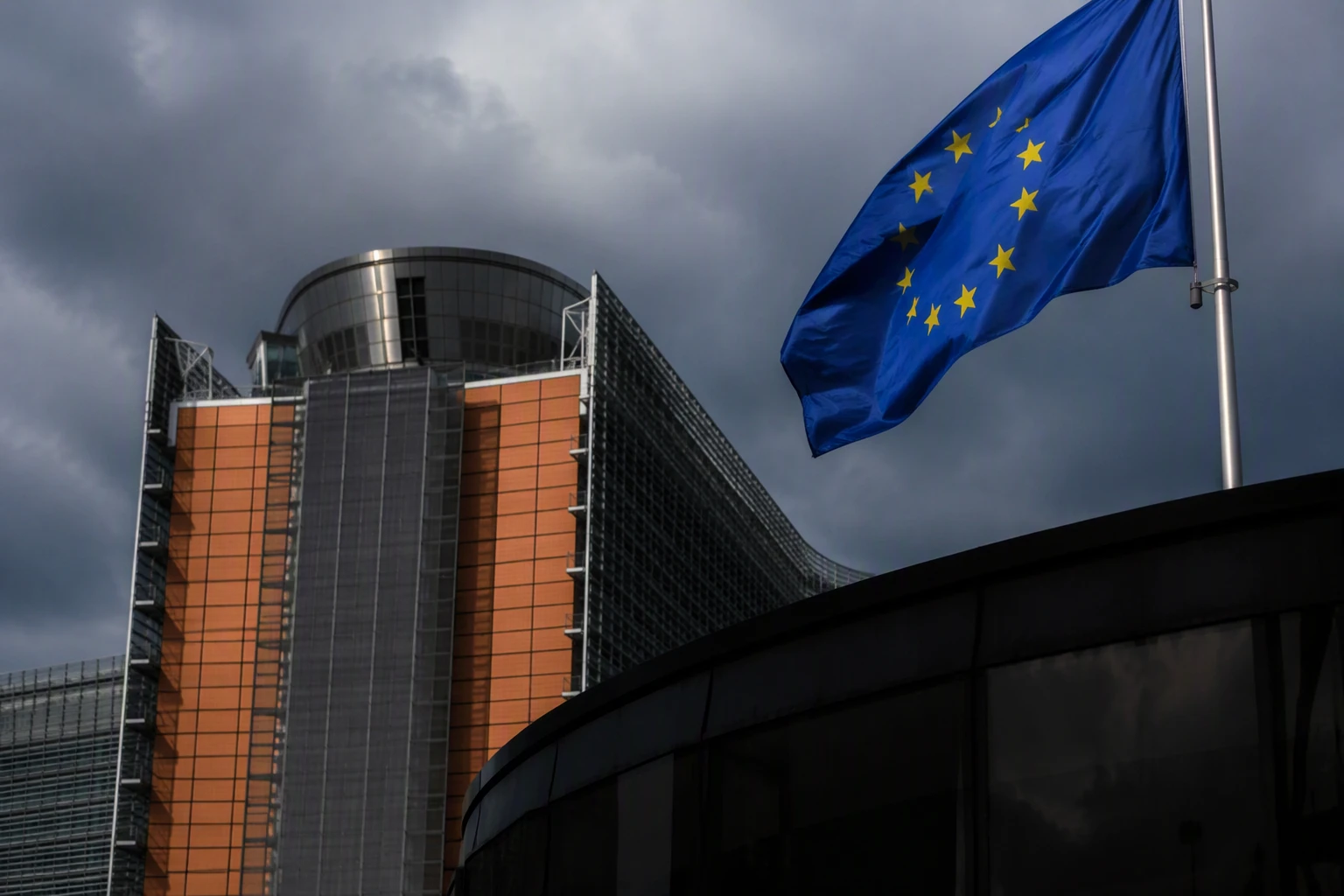
The European Commission accused Temu of obstructing inspectors during a December raid at its European headquarters in Dublin, escalating pressure on the Chinese e-commerce platform over how it operates in the European Union.
The Commission said the inspection was part of a Foreign Subsidies Regulation probe launched after indications that Temu may have received foreign subsidies that distort the EU internal market. In a statement on July 29, 2026, the Commission sent Temu a Statement of Grounds over possible obstruction of the inspection, and said a failure to cooperate can lead to a fine of up to 1% of the company’s total turnover in the preceding business year.
The case adds to a fast-moving sequence of enforcement actions against Temu. In July 2025, the Commission preliminarily found the company in breach of the Digital Services Act in relation to illegal products on its platform. In late May 2026, the Commission fined Temu €200 million under the same law, saying the company failed to diligently identify, analyse and assess the systemic risks posed by illegal products being offered on the platform.
Brussels had already been pressing Temu on consumer protection before the subsidy case advanced. In November 2024, the Commission and national authorities in the Consumer Protection Cooperation Network urged the company to respect EU consumer protection laws after a coordinated investigation. The wider set of actions shows how the EU is now using trade, platform-safety and consumer-law tools together, not just to police products already on sale but to examine whether fast-growing marketplaces are meeting basic disclosure and compliance obligations.

Temu has become a major force in European online retail by selling heavily discounted goods and running aggressive promotions across borders. That expansion has sharpened criticism from rivals and policymakers who say bargain import platforms can undercut domestic sellers while creating pressure points around counterfeit goods, safety checks and data access. The new subsidy probe charge, layered on top of the DSA findings and the consumer-law push, suggests that Europe is no longer treating ultra-cheap marketplaces as simple retail apps, but as platform operators that must clear a much higher regulatory bar.