World
EU court says private jets cannot be excluded from green list

The European Union’s second-highest court ruled in Luxembourg on June 24 that the manufacture of private jets cannot be excluded from the bloc’s list of environmentally sustainable activities, annulling a European Commission decision in Case T-77/24, Dassault Aviation v Commission.
The judgment lands in the middle of a credibility test for the EU’s sustainable finance taxonomy, a framework that entered into force on July 12, 2020 and was meant to give investors a common language for green investment. The Commission has described the taxonomy as a cornerstone of its sustainable finance framework and a market transparency tool, but the court’s ruling shows how easily that language can become politically combustible when luxury aviation is involved.
At issue was the Commission’s 2023 decision to exclude aircraft intended for private or commercial business aviation from the taxonomy’s transitional activity list. The General Court said Brussels could not rely on a carbon-dioxide-per-passenger-kilometre test to make that exclusion because the metric does not appear in the Taxonomy Regulation and relates to aircraft operation, not manufacturing. The court also found that Dassault Aviation had standing to challenge the rule because the exclusion affected its sustainability disclosures and could affect access to funding.

The Commission’s own aircraft-manufacturing criteria still allow some planes to qualify as transitional activities through 31 December 2027, provided they meet emissions and replacement-ratio requirements. But the same framework singled out aircraft made for private or commercial business aviation for exclusion, a line the court has now erased. The Commission can appeal to the Court of Justice of the European Union within two months on points of law.
Dassault Aviation welcomed the ruling on June 24, saying the court recognized the sector’s flexibility, speed, connectivity and potential use of sustainable aviation fuels. For the company, the decision is a legal and commercial win. For critics, it will look like something else entirely: a reminder that a jet designed for private use can still find its way into the green ledger if the legal definitions are loose enough.
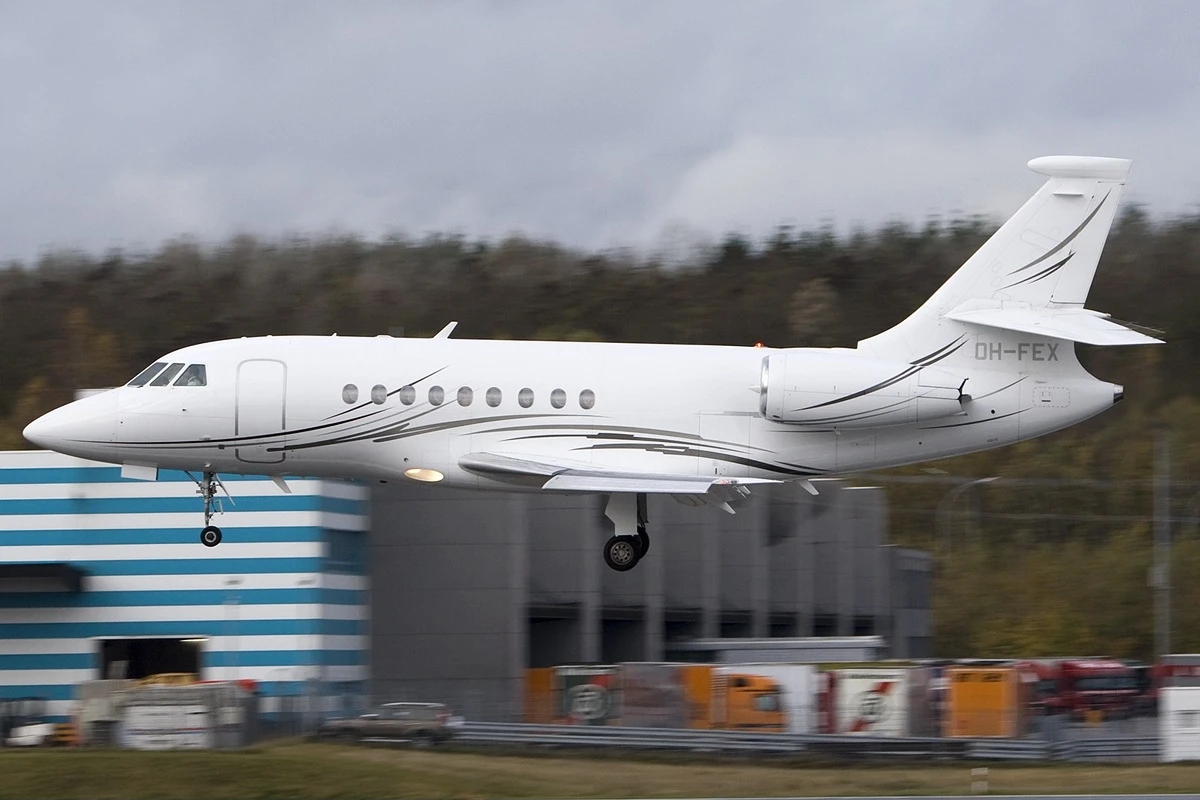
That is why the case resonates far beyond Dassault. The International Council on Clean Transportation estimated that private jets produced up to 19.5 million tonnes of greenhouse-gas emissions in 2023, about 4% of civil aviation emissions, after a 25% rise over the previous decade. A 2025 study found private aviation emissions rose 46% from 2019 to 2023, with almost half of flights under 500 km. Those numbers explain why campaigners have long argued that public capital should not be steered toward a sector with such a high climate burden, even when regulators label parts of it transitional.
The ruling does not settle the taxonomy’s legitimacy. It exposes the gap between a system built to protect investors from greenwashing and a legal framework that can still produce outcomes many readers will see as absurd.