Politics
EU defends digital taxes, warns Trump against unilateral retaliation

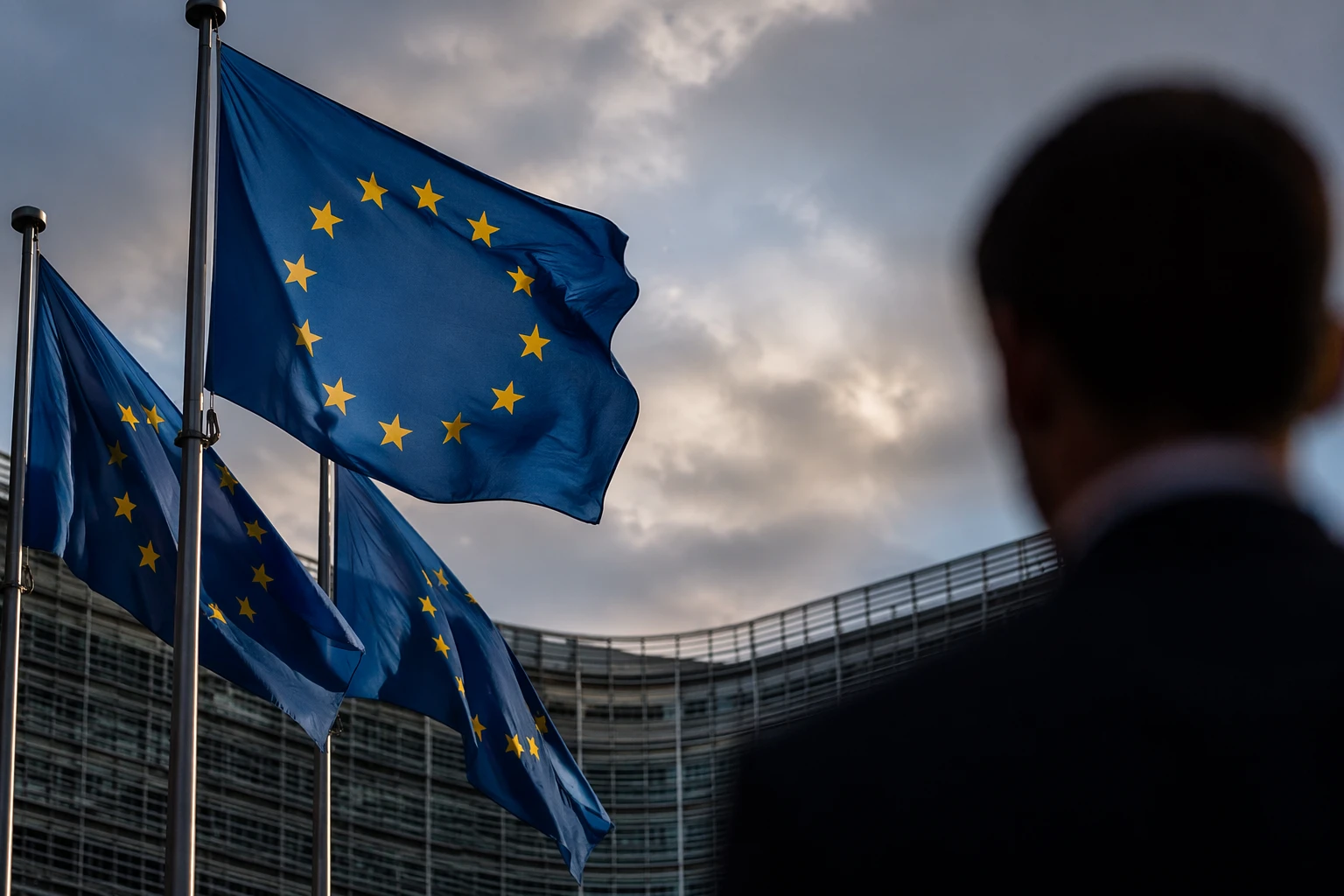
The European Commission said Friday the EU and its member states had the sovereign right to regulate economic activity, pushing back after Donald Trump threatened a 100% tariff on countries that impose digital services taxes on American companies. Brussels said the taxes were non-discriminatory by design and applied equally to all large companies regardless of origin.
The Commission also said it would respond swiftly to unjustified unilateral measures while remaining open to a global solution consistent with G7 agreements. That left the door open to negotiation, but it also signaled that the EU would not give up tax sovereignty under pressure from Washington.
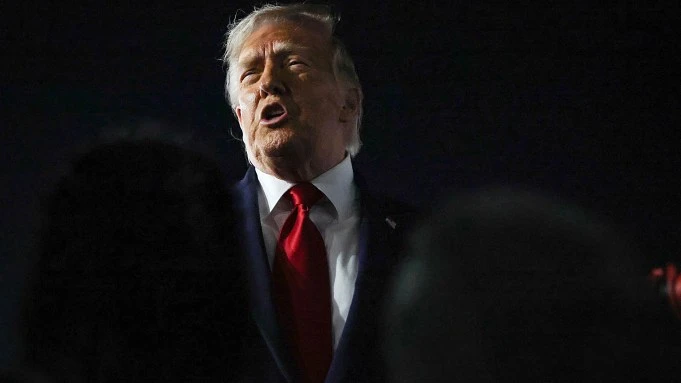
Trump’s warning raised the stakes immediately for American technology firms and for the broader trade relationship. He said the tariff would apply to all goods from any country that levies a digital services tax and that it would supersede existing trade deals with affected countries. The threat landed at a delicate moment, after the United States and the European Union had recently finalized a trade arrangement that capped most tariffs on EU goods at 15%.
Digital services taxes have long been one of the sharpest points of friction in transatlantic economic policy because Washington sees them as aimed at large U.S. technology companies. For Brussels, the issue is about jurisdiction and the right to tax economic activity inside its territory, not about nationality. The Commission’s language underscored that distinction, portraying the measures as broad-based rules rather than targeted punishment.
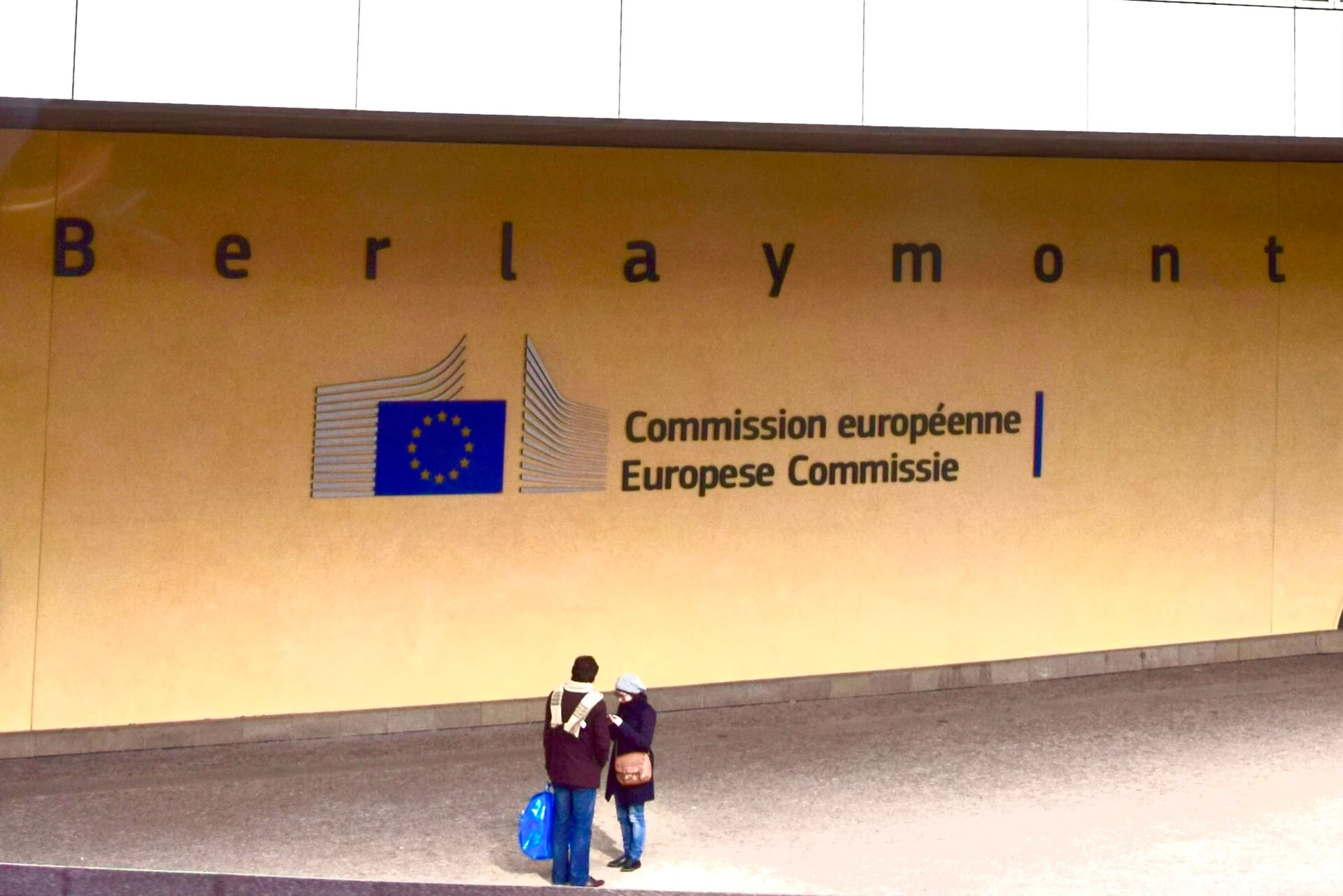
The clash also fits into the EU’s wider effort to shape the digital economy through regulation. Alongside tax policy, Brussels already enforces the Digital Markets Act, which the European Commission says is designed to make digital markets fairer and more contestable. Together, the two tools show how European officials are trying to curb the market power of multinational platforms through both taxation and competition rules.
The timing was notable as well. Earlier in June, leaders at the G7 summit in Evian, France, stressed multilateralism and the need for a stable, predictable global economic environment. That push for coordination helps explain why Brussels still says it wants a global settlement, even as it prepares to resist any unilateral U.S. retaliation. For American tech firms, the fight now reaches beyond tax policy to the larger question of who gets to write the rules for the digital economy.