Technology
EU joins US-led Pax Silica to secure AI supply chains
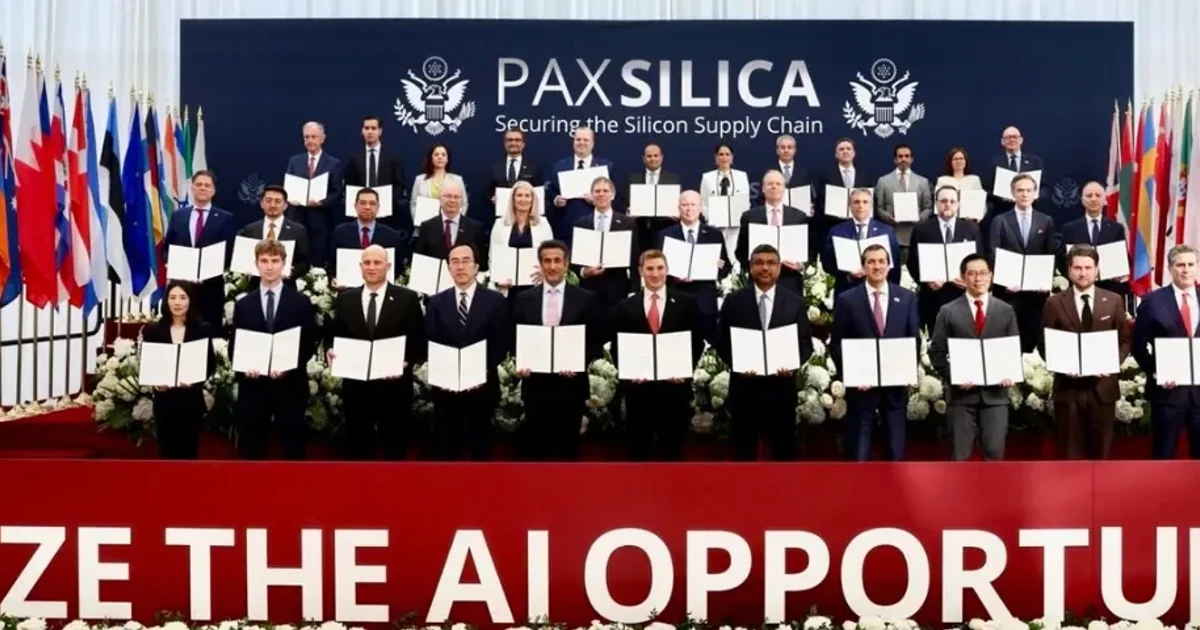
The European Commission signed the Pax Silica Declaration on behalf of the EU on June 25, bringing one of the world’s largest economic blocs into a U.S.-led coalition built around the chips, minerals, energy and logistics that advanced AI depends on. The move gives Washington’s supply-chain project more weight and puts Brussels inside a framework that is explicitly designed to secure the industrial base behind artificial intelligence.
The State Department says Pax Silica was launched in December 2025 by Under Secretary for Economic Affairs Jacob Helberg and serves as the department’s flagship effort on AI and supply chain security. It is meant to cover critical minerals, energy inputs, advanced manufacturing, semiconductors, AI, technology infrastructure and logistics, while building economic-security consensus among allies and trusted partners. The department also says the initiative is intended to reduce coercive dependencies and single points of failure.
The coalition has widened quickly. State Department materials say close to three dozen economies signed a Joint Statement on AI Opportunity and that Pax Silica now has 24 signatories after additions including Argentina, Chile, Costa Rica, El Salvador, the European Union, Germany, Greece, Kazakhstan, the Netherlands and Panama. The Netherlands had joined earlier in the week, and Panama is part of a pilot assistance project aimed at helping goods and information move through strategically important corridors.
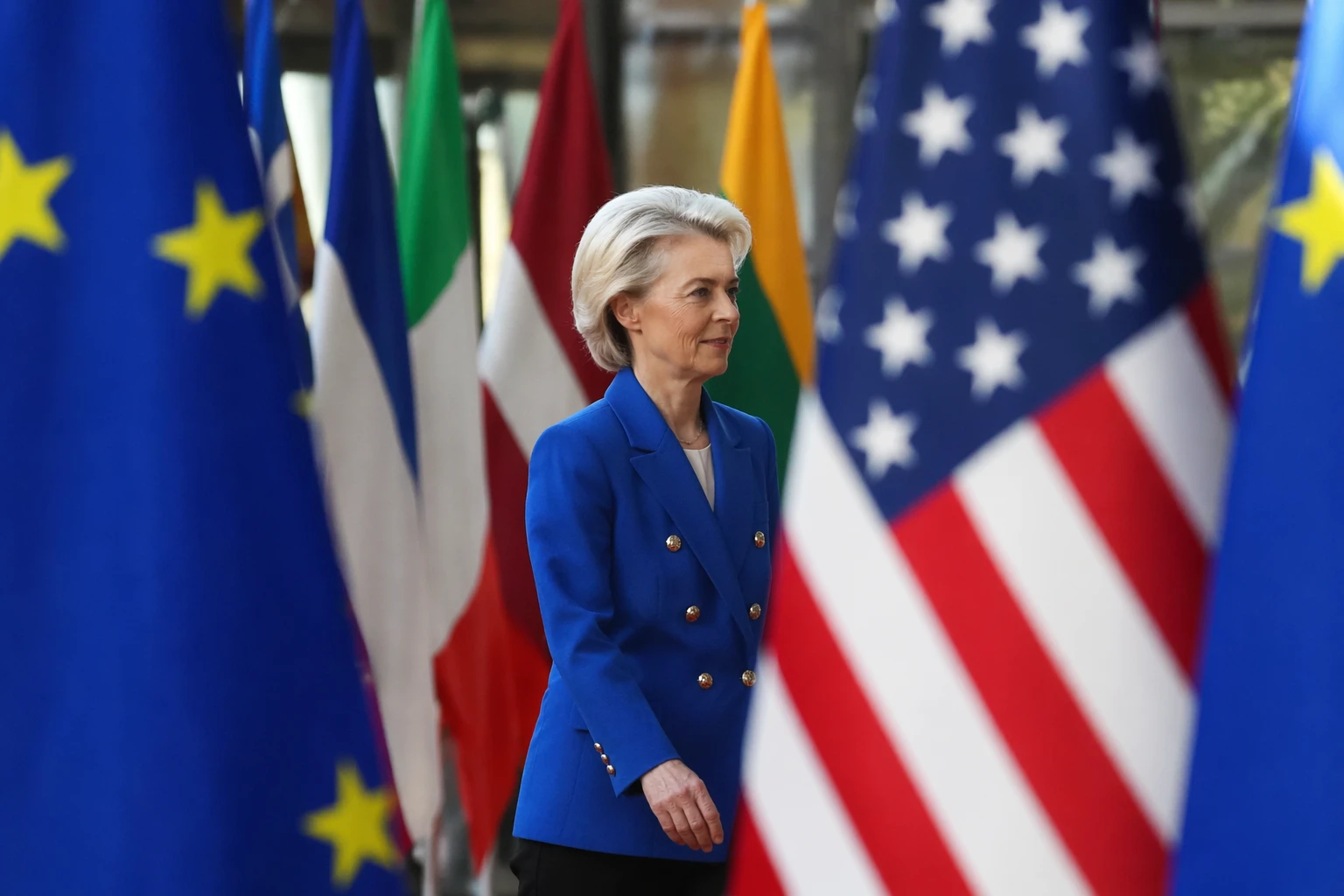
For Brussels, the signing lands alongside its own push for digital autonomy. On June 3, the European Commission presented its European Technological Sovereignty Package, including proposed Chips Act 2.0 and Cloud and AI Development Act measures, an EU Open Source Strategy and a roadmap for digitalization and AI in energy. Paula Pinho said the Commission would work with global partners to advance AI and supply chain security, a line that mirrors the transatlantic language coming out of Washington.
The overlap is deliberate, but the politics are sharper than a routine alliance update. The State Department’s own policy page says, “the 21st century runs on compute and the minerals that feed it,” underscoring how AI is now being treated as a contest over power, materials and manufacturing capacity as much as software. By joining Pax Silica, the EU is aligning with a U.S.-backed effort to tighten control over the industrial stack that supports AI, even as Europe keeps building its own regulatory and sovereignty tools.