World
EU keeps €250 flight delay compensation, preserves passenger rights
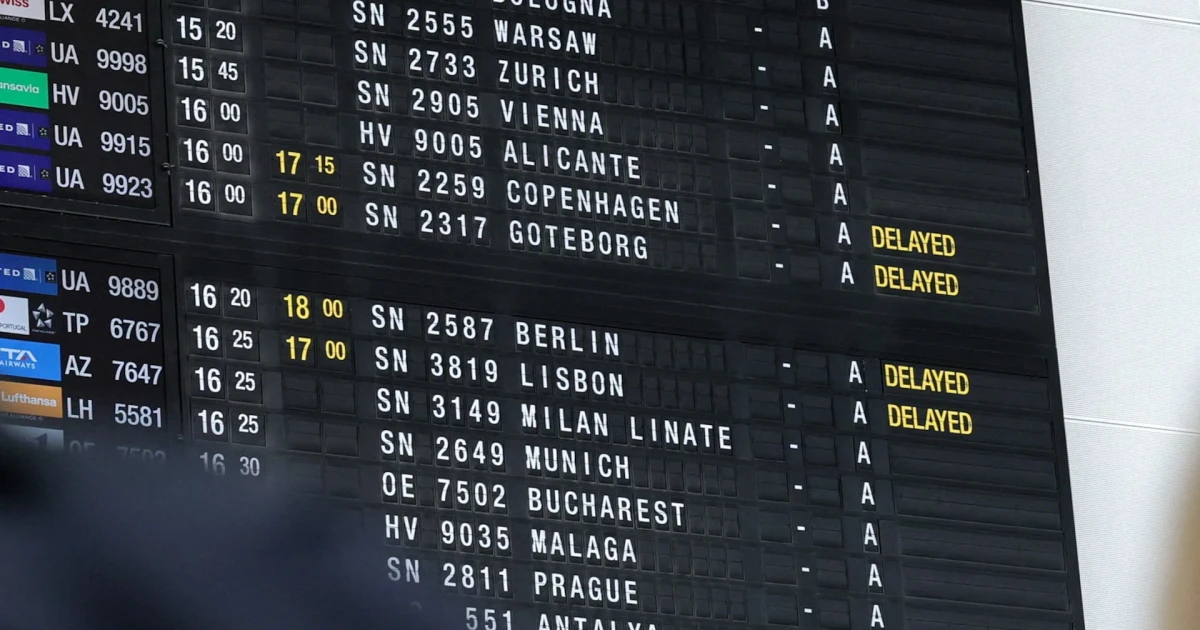
Airlines did not win a softer passenger-rights regime in Brussels. EU governments kept the three-hour delay trigger intact, preserving the right to €250 for short-haul disruptions and holding the line on a system that still gives travelers a clear remedy when a flight goes badly wrong.
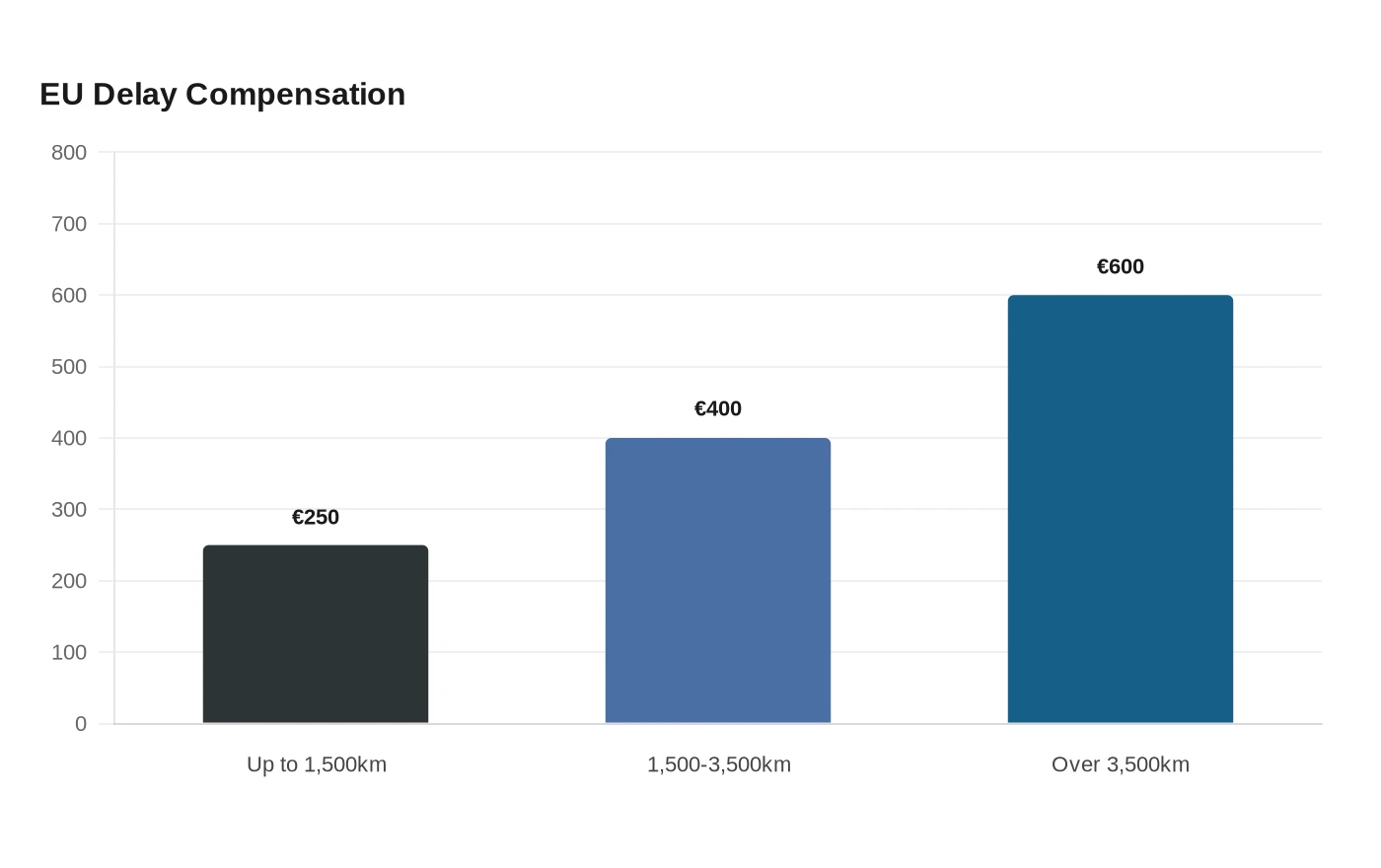
The compromise reached on June 12 also requires airlines to issue compensation claim documents within 96 hours, a small but important change for passengers who often struggle to turn rules into real payouts. The package keeps the existing tiered compensation scale in place: €250 for flights up to 1,500 kilometers, €400 for flights between 1,500 and 3,500 kilometers, and €600 for longer trips.
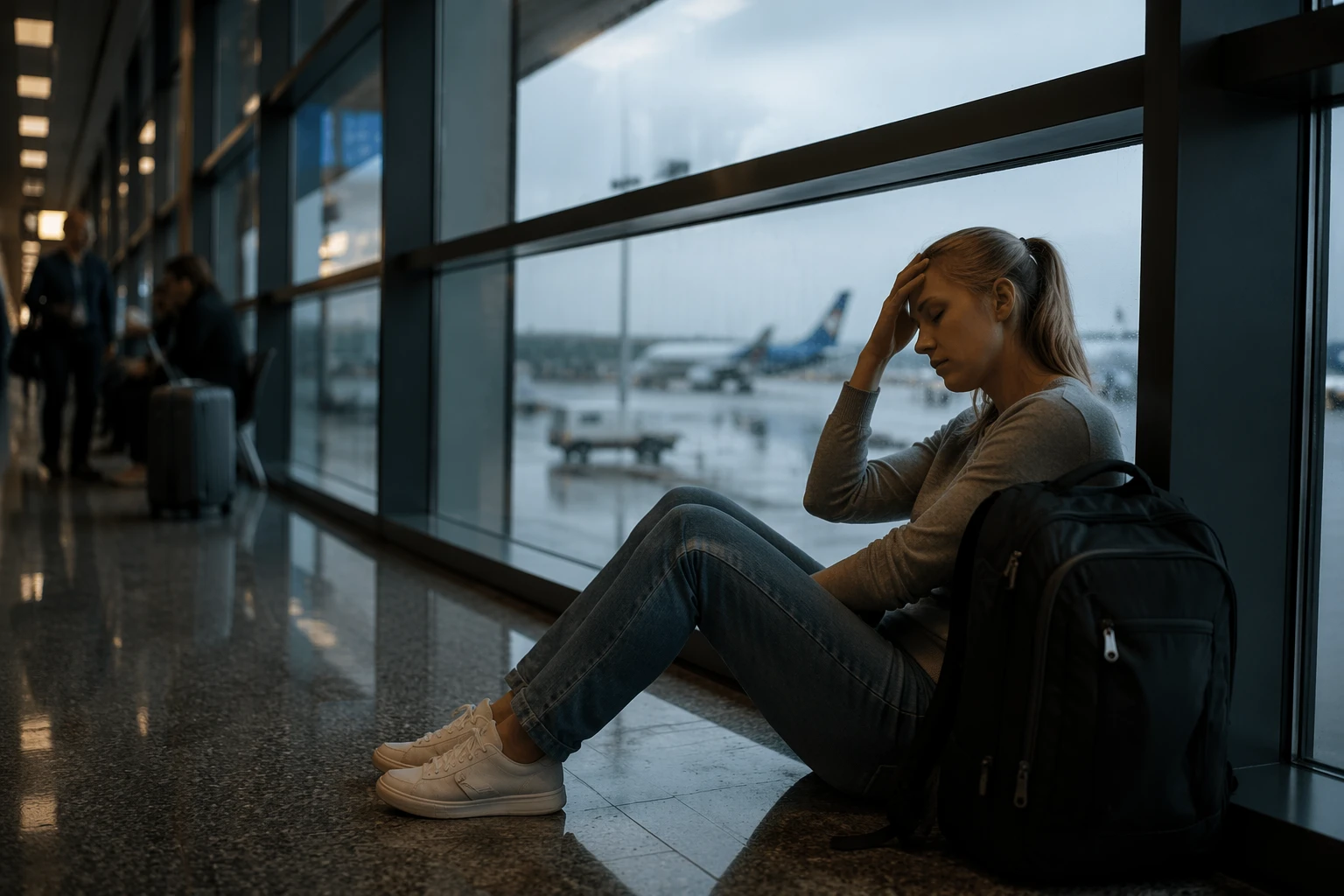
That decision matters because carriers had spent years arguing that the current rules were too strict and expensive. In 2025, EU transport ministers backed a proposal that would have raised the compensation threshold to four or six hours, depending on distance, a move consumer groups said would have stripped away leverage from stranded travelers. The final June 2026 compromise did the opposite, preserving the three-hour trigger that has long served as the core of EU air passenger rights.
The framework dates to Regulation (EC) No 261/2004, adopted on February 11, 2004, after the bloc moved to create common rules for compensation and assistance in cases of denied boarding, cancellation, or long delay. Under current EU guidance, airlines must also provide written notice of compensation and assistance rules when flights are delayed more than two hours at departure or arrive with a long delay at the final destination. The latest deal keeps that consumer-facing structure in place instead of replacing it with a weaker standard.
The political fight over the rules has dragged on for years. The European Commission first proposed revisions in March 2013, and the Council said in June 2025 that it had reached a political agreement after 12 years without one. Even then, the reform debate remained contentious, with BEUC warning that any rollback would remove concrete protections from millions of Europeans and erode trust in the bloc’s ability to deliver practical rights.
European Parliament negotiator Andrey Novakov framed the issue as a matter of real life, pointing to missed birthdays, funerals, weddings and job interviews. The compromise also keeps a separate rule allowing an accompanying adult to sit near a child without an extra fee. For passengers, the result is straightforward: the EU has preserved one of the world’s strongest flight-delay compensation standards, and airlines will still have to pay when disruptions cross the three-hour line.