World
EU leaders clash over 2 trillion euro budget, defense spending priorities
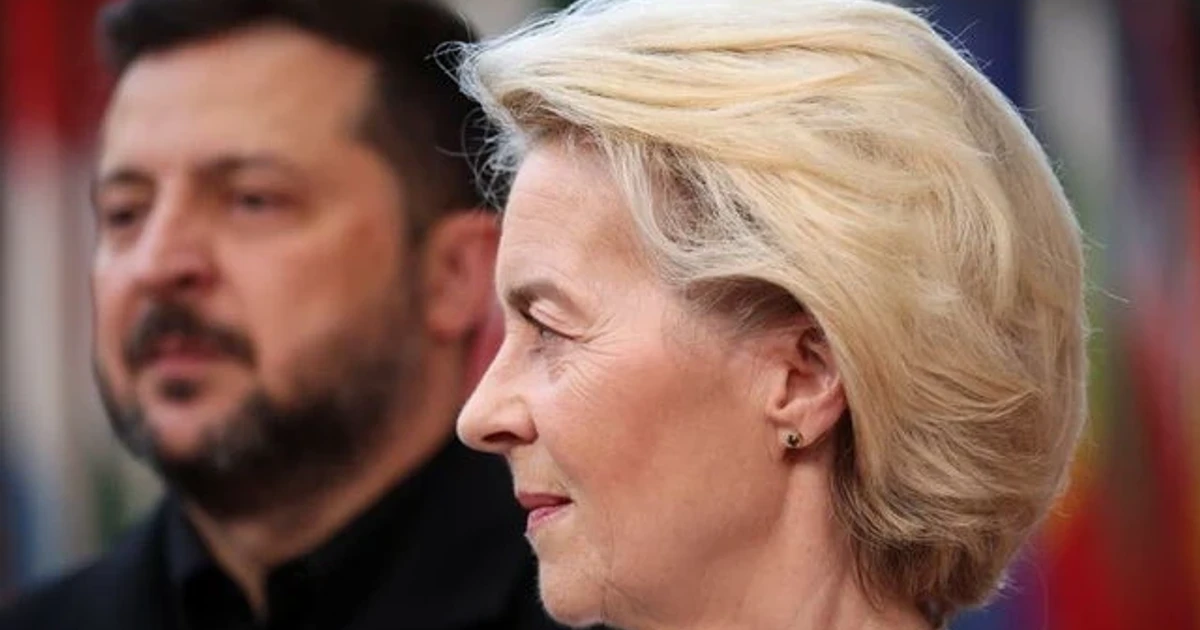
The European Union’s next seven-year budget became a test of the bloc’s future priorities, not just a fight over cash. The European Commission’s proposal for 2028 to 2034 came in at 2 trillion euros, and the first compromise draft from the Cypriot EU presidency trimmed it only slightly, leaving both net contributors and net beneficiaries dissatisfied.
At stake was the EU’s main financing tool, the pot that pays for farm support, cohesion payments, research, student exchanges and technology development. That broad reach made the talks politically combustible, because European governments were also pressing for stronger defense, industrial modernization and less dependence on the United States and China.
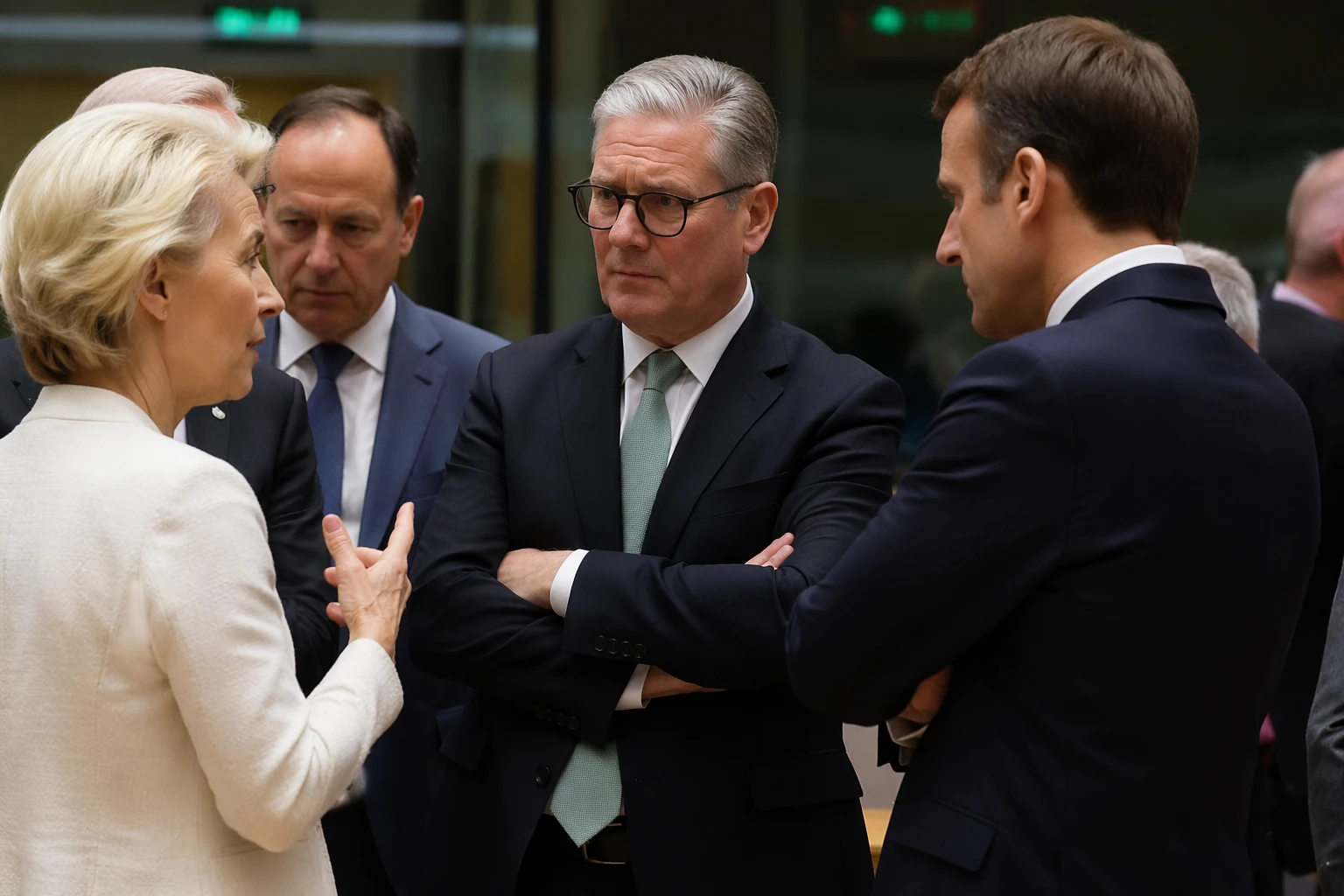
The split ran straight through the familiar EU budget map. Richer states put more into the common budget than they receive back, while poorer states take out more than they contribute. That imbalance has long forced the bloc into a unanimous deal every seven years, with every side trying to defend its own national red lines while claiming to protect the European interest.
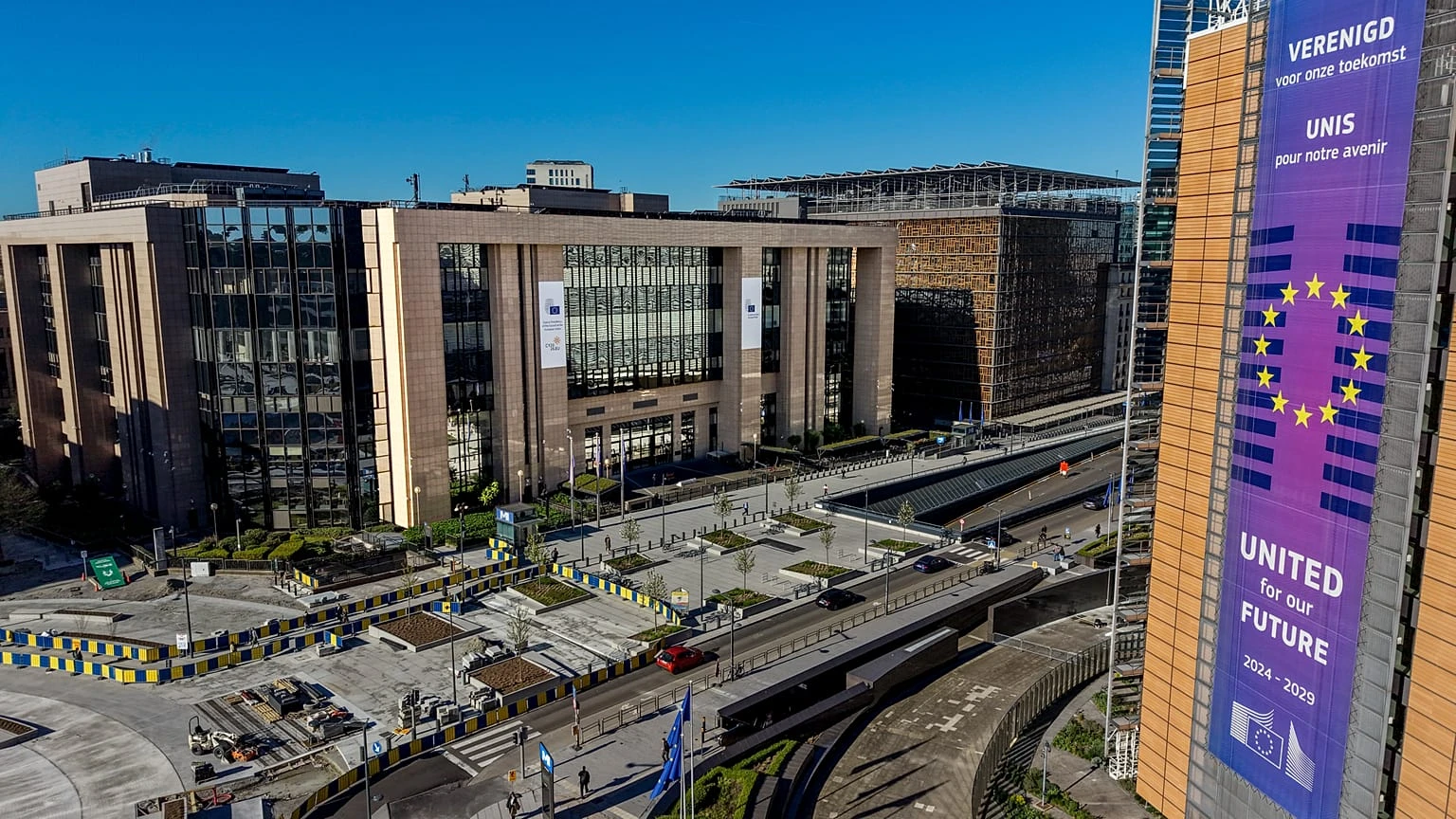
Dutch Prime Minister Rob Jetten said the current compromise did not go far enough for the Netherlands. His criticism went to the heart of the battle over priorities: he argued the draft still leaned too heavily toward agriculture and cohesion spending, rather than the newer demands of defense and modernization.
On the other side, Spanish Prime Minister Pedro Sanchez said the proposal was too small and argued that farmer and cohesion spending should be adjusted for inflation. His position reflected the concerns of a net beneficiary country, where cuts or flat funding would hit regions and sectors that still rely heavily on EU support.

The schedule added pressure to the substance. Although the legal deadline for an agreement is the end of 2027, leaders wanted to strike a deal by the end of 2026. Elections in several key countries next year raised the risk that the budget fight would get trapped in domestic campaign politics if negotiations dragged on.
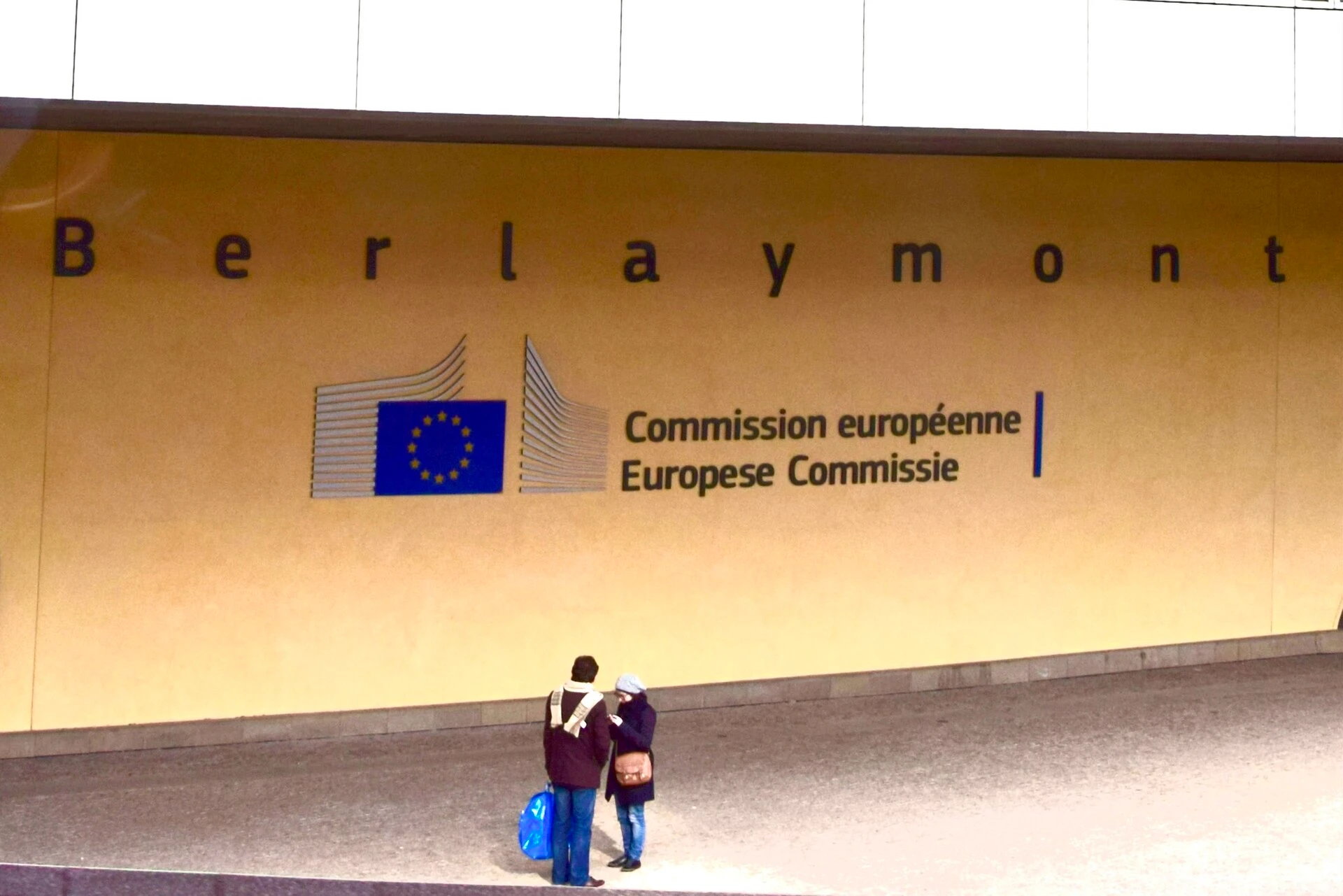
One of the sharpest unresolved questions was revenue. EU officials still had to find new sources of money that did not depend directly on national treasuries, a prospect likely to prove explosive in member states already wary of handing Brussels more fiscal power. In that sense, the budget battle was a referendum on what kind of Union Europe wanted to be: one built mainly around redistribution, or one willing to fund a more defense-minded, industrially ambitious future.
Sources
- [1]usnews.com