World
EU leaders push for border action after Ceuta migrant surge
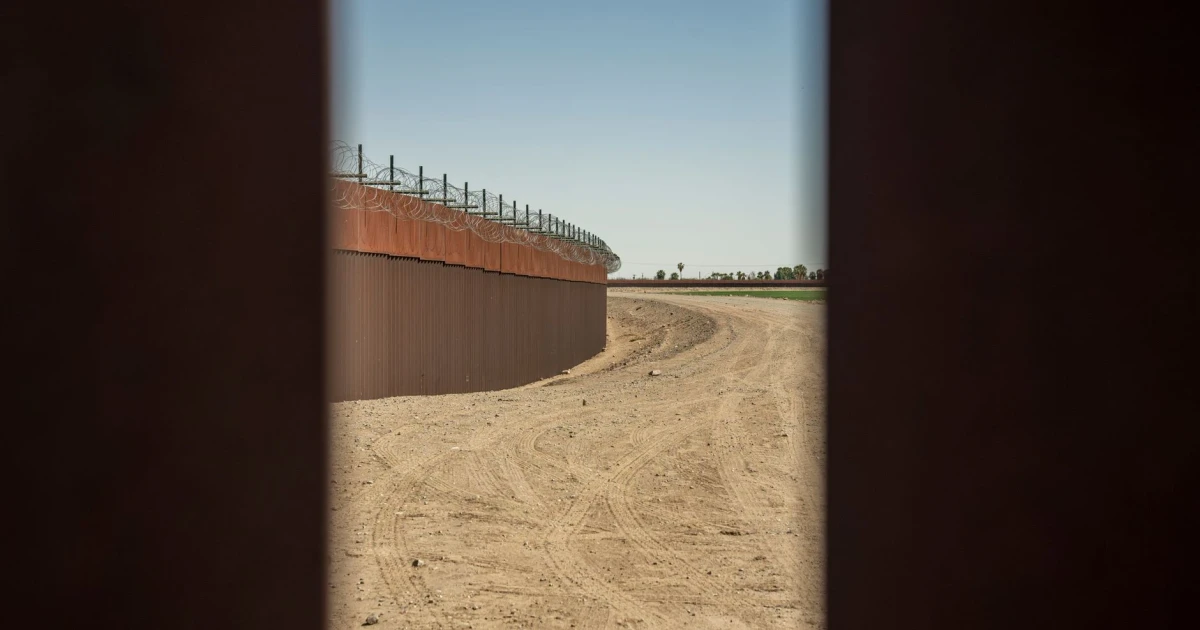
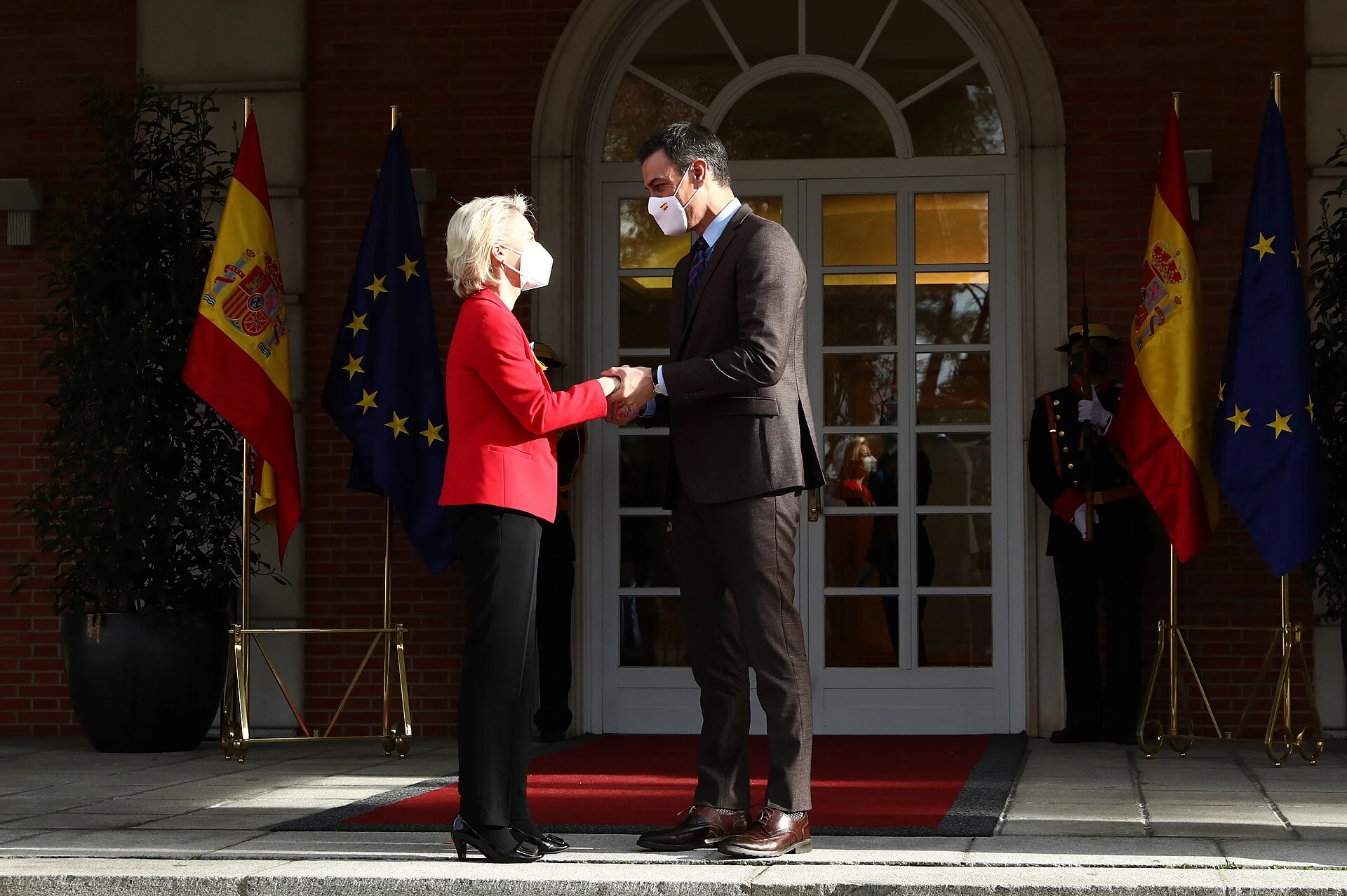
The European Union plans an urgent interior ministers meeting for Tuesday after tens of thousands of migrants crossed from Morocco into the Spanish enclave of Ceuta, and 22 member states signed a joint letter calling for coordinated action and stronger external borders. Ursula von der Leyen also told Pedro Sánchez that more must be done to strengthen the EU’s borders at critical points, and that Brussels can provide Morocco with more border support.
The pressure quickly spilled into a dispute between Madrid and several other capitals. Spain condemned what it called the "selfish, polarising and unlawful" reaction of some EU countries after Italy suspended the bloc’s border-free Schengen arrangement with Spain, a move backed by Finland. The split exposed the familiar fault line in EU migration politics: humanitarian obligations at one frontier often collide with demands from member states that want faster controls and clearer limits.
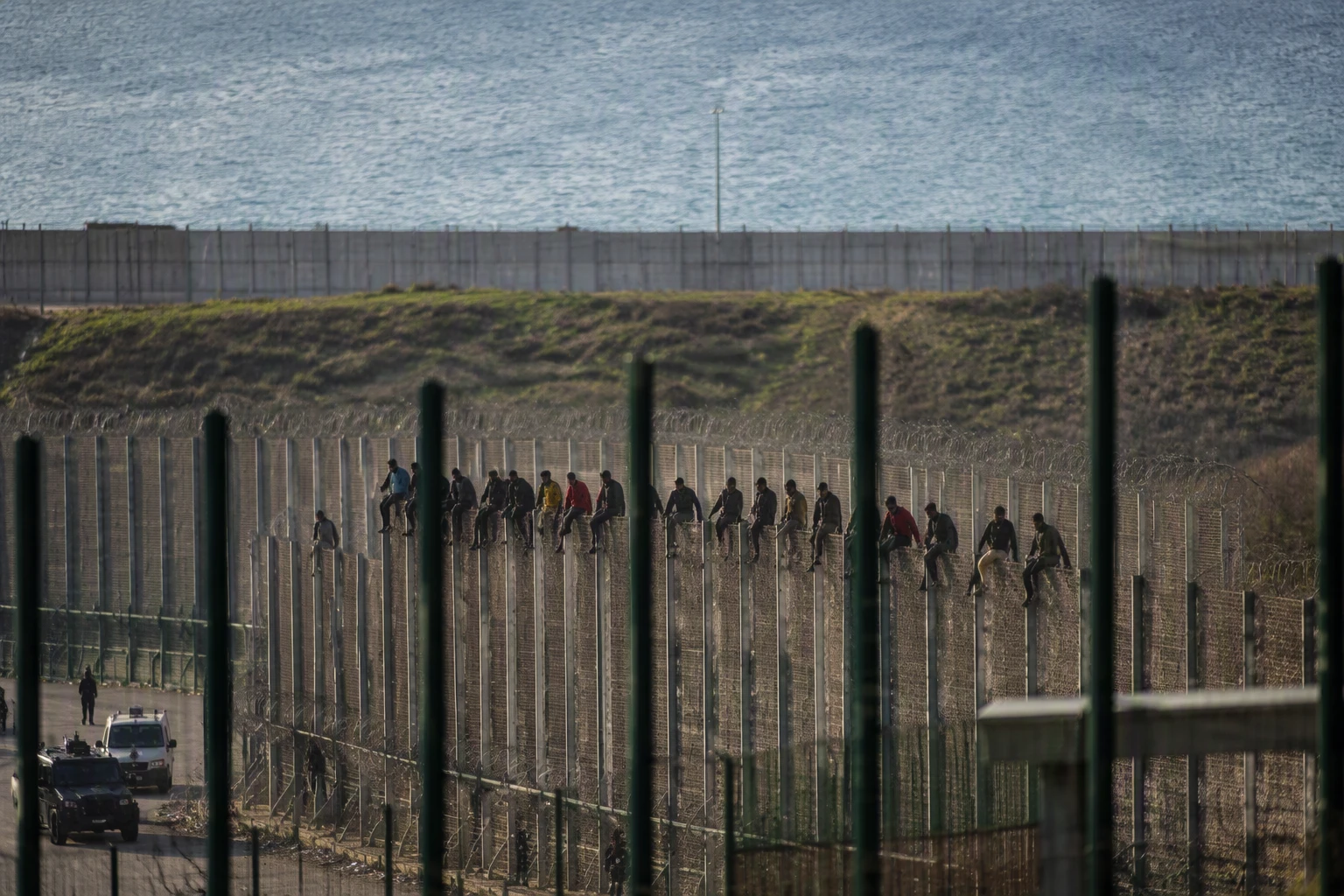
Ceuta’s geography makes that tension acute. The Spanish autonomous city sits on the north coast of Africa, borders Morocco and the Mediterranean Sea, and is one of only two land borders the European Union shares with Africa. That position has made it a recurring pressure point whenever migration surges test the relationship between Brussels, Madrid and Rabat.
The current crisis carries echoes of the 2021 Morocco-Spain border incident, when more than 8,000 migrants entered Ceuta after Moroccan border controls were temporarily eased. On May 19, 2021, Spain sped up Ceuta expulsions after the migrant tide from Morocco ebbed, a rapid reversal that underscored how quickly the enclave can shift from symbol to emergency.
The latest round of EU reaction points toward the same institutional response pattern. When arrivals spike in Ceuta, pressure rises for the European Commission and member states to tighten the external border, expand support to Morocco, and avoid letting a local breach turn into a broader challenge to the Schengen system. The joint letter from 22 governments, including Italy and Denmark, shows how fast that position can harden once the political costs of inaction become visible in Brussels.
Sources
- [1]bbc.co.uk
- [2]reuters.com
- [3]cnbcafrica.com
- [4]theprint.in
- [5]bbc.com
- [6]theguardian.com
- [7]europeanpapers.eu