World
EU Ministers Urge Windfall Tax Amid Energy Price Surge
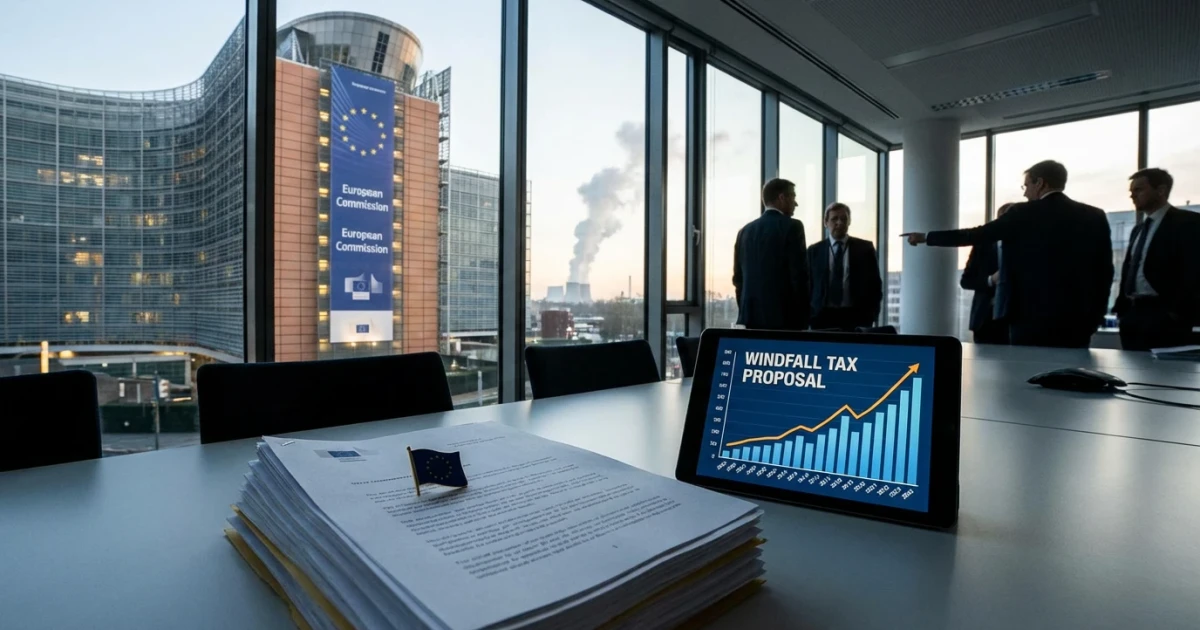
Five European Union countries have joined forces to call for a windfall tax on energy companies, aiming to address soaring profits in the sector as the ongoing Iran conflict causes a fresh surge in energy prices. The proposal, revealed by Reuters, highlights renewed pressure on EU policymakers to respond to mounting concerns over energy affordability and industry earnings.
Ministers Respond to Soaring Energy Profits
European energy markets have experienced significant volatility since the outbreak of war involving Iran, pushing oil and gas prices sharply higher. The resulting profit increases for major energy firms have reignited discussions on the need for extraordinary taxation measures. According to the European Commission’s latest market analysis, the past year saw energy company revenues and profits reach levels not seen since the 2022 supply crisis.
- Multiple EU member states previously introduced temporary windfall taxes in 2022 and 2023, targeting profits deemed excessive due to market disruptions.
- The latest push comes as consumers and businesses face renewed pressure from rising energy costs, with electricity and natural gas prices climbing across Europe.
Solidarity and Diverging Views Within the EU
The five countries, whose coordinated call was first reported by Reuters, are urging the European Commission to propose new legislation that would implement a windfall tax across the bloc. Their argument centers on the need for solidarity as energy companies benefit from external geopolitical events, while households and industry shoulder the burden of higher bills. The European Parliament’s analysis on windfall taxes explains that such measures are designed to recapture extraordinary profits for redistribution, often through targeted consumer support or investment in the green transition.
However, the idea remains contentious. Some member states and energy industry groups argue that windfall taxes risk discouraging investment and could undermine efforts to secure new energy supplies. Others point to the European Commission’s 2022 report on energy prices and costs, which found wide variations in both energy company profit margins and the impact of windfall taxes across different countries.
What a Windfall Tax Would Mean for the Energy Market
Windfall taxes are typically imposed on profits that exceed a certain threshold, with the aim of capturing gains that arise not from greater efficiency or innovation, but from extraordinary external circumstances. According to Statista’s net profit data for leading European oil and gas companies, 2023 saw profits rise as much as 30-40% for some firms compared to pre-crisis levels.
- Funds raised through windfall taxes in prior years were often redirected to offset rising household energy bills or to support vulnerable industries.
- Such taxation has been deployed in countries including Spain, Italy, and Germany, with varying results depending on the structure of the energy sector and the specifics of the tax design.
Next Steps for EU Policymaking
The ministers’ call adds urgency to ongoing debates in Brussels over how best to protect consumers and ensure energy market stability in times of geopolitical crisis. The EU’s emergency interventions in energy markets have included revenue caps and solidarity contributions, but the latest proposal signals a push for more coordinated action at the EU level.
As discussions move forward, EU officials will need to balance the competing goals of ensuring affordable energy, avoiding investment disincentives, and managing the fiscal and social impacts of high energy prices. The outcome will affect not only energy companies and consumers, but also the bloc’s broader transition to a sustainable energy future.
Looking Ahead
With energy prices still elevated amid the Iran conflict and the prospect of further market shocks, the debate over windfall taxes is likely to remain at the forefront of EU policy. As Reuters has highlighted, the coming weeks will be decisive as the European Commission considers the ministers’ proposal and weighs the potential economic and social consequences of such a move.