Business
EU narrows when it can suspend carbon import fee
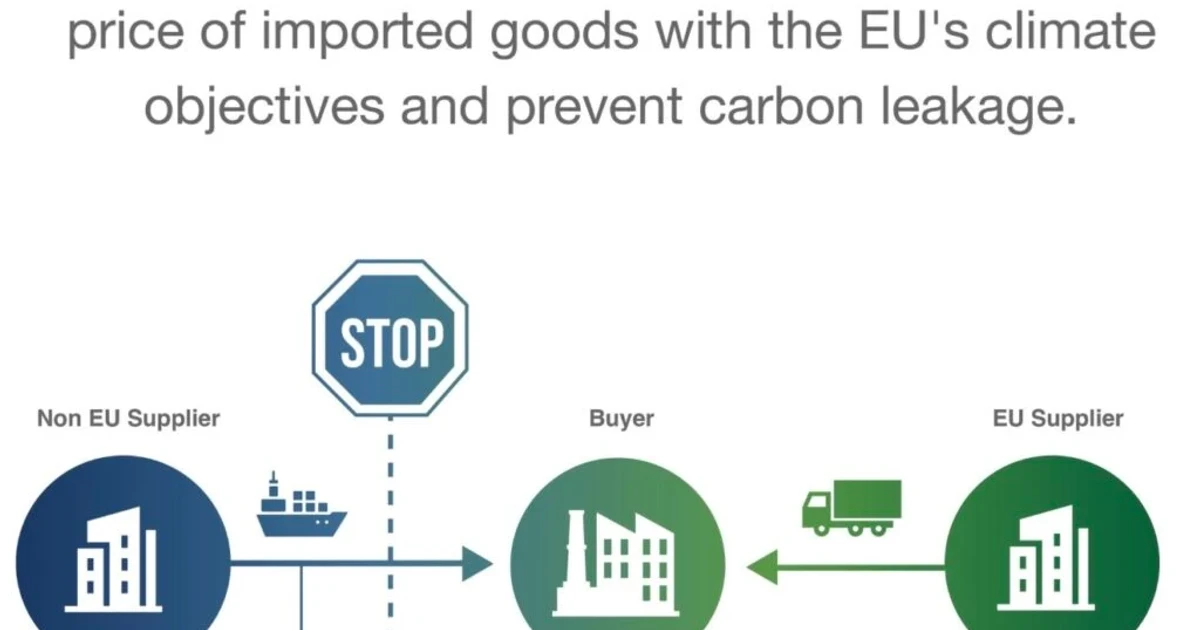
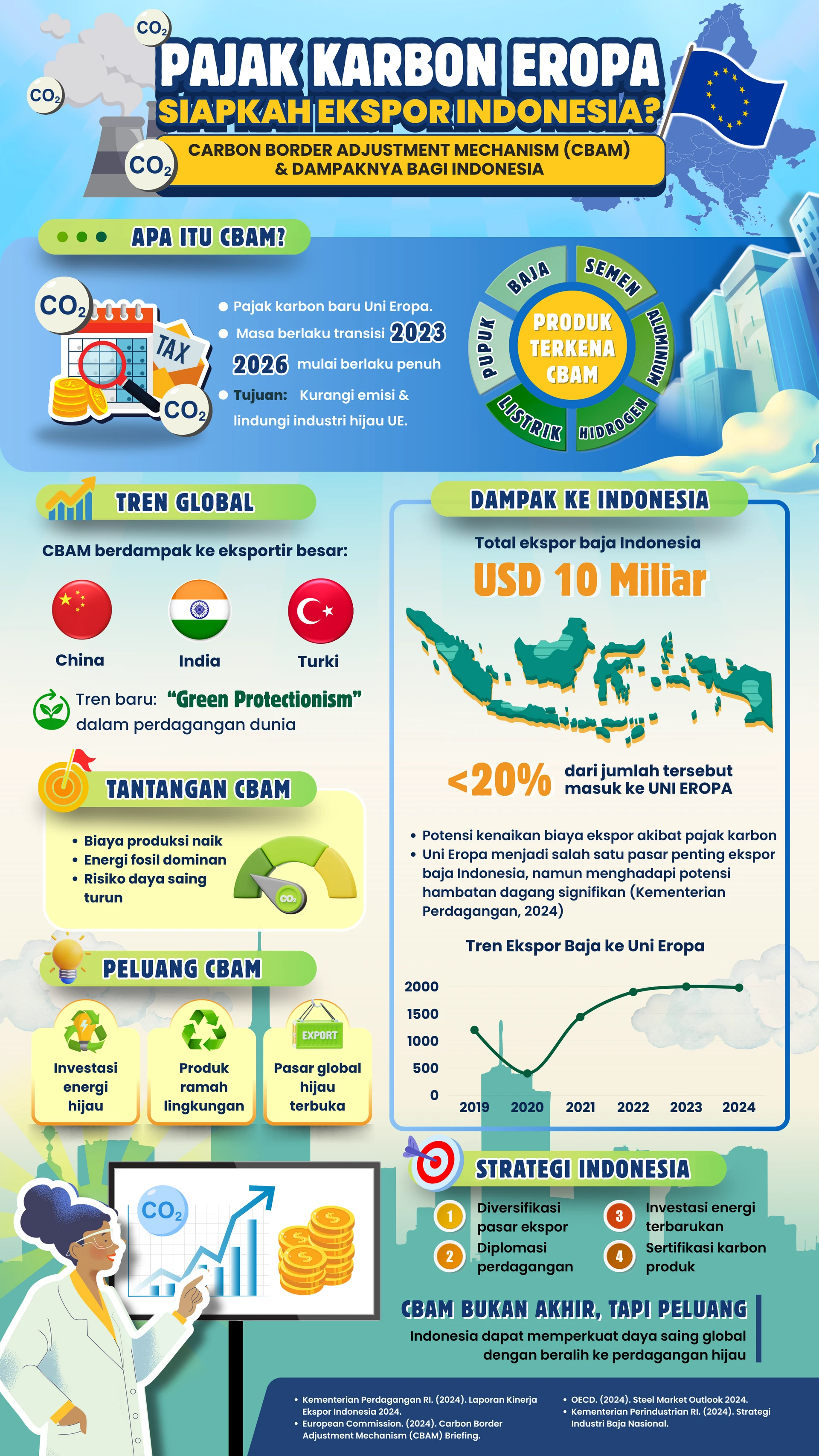
The European Union moved to make its carbon import fee harder to switch off, tightening the conditions under which Brussels can suspend the levy and signaling that the system is becoming a more permanent feature of trade policy. The change matters well beyond climate policy: it gives heavy industry more clarity on future costs while increasing pressure on exporters and supply chains tied to steel, cement, fertilisers, aluminium, electricity and hydrogen.
EU governments agreed on June 12 to narrow the circumstances in which the carbon border adjustment mechanism, known as CBAM, can be paused. The Council of the European Union said any temporary exemption should rest on clear and objective criteria, including exposure to severe price increases, rather than broad discretion. Under the draft approach, the European Commission would only be able to propose a suspension if the price of a product jumped more than 50% over six months compared with its average over the previous 10 years, a high bar designed to reserve relief for genuine shocks rather than routine volatility.
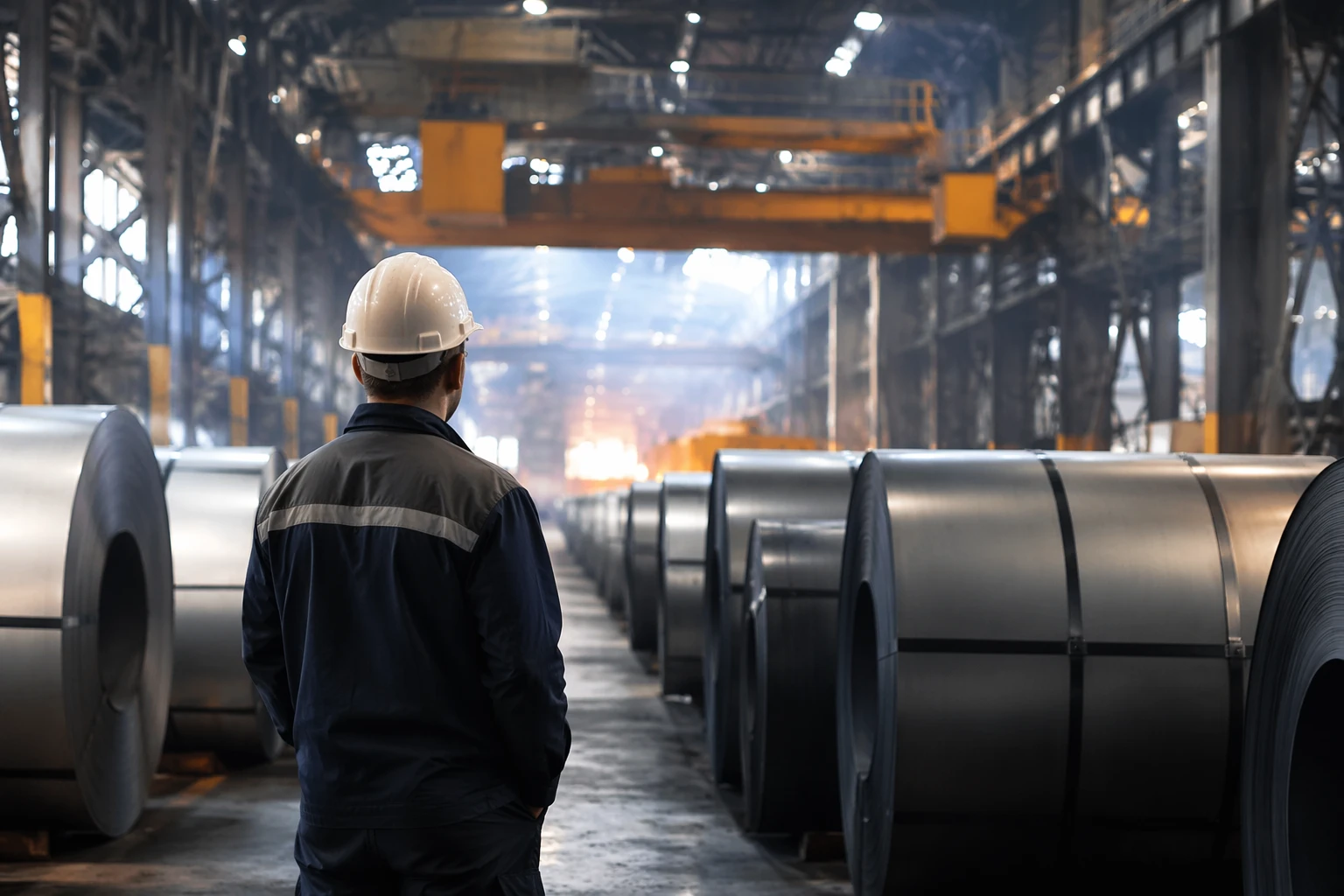
That hardening of the rules underscores how far Brussels is moving from a transitional climate instrument toward a durable trade filter. CBAM entered its definitive regime on January 1, 2026, after a reporting-only phase that ran from 2023 to 2025. Importers bringing in more than 50 tonnes of CBAM goods a year must apply for authorized declarant status and buy certificates priced against EU emissions allowance auctions, a structure meant to keep carbon-intensive imports from undercutting European producers. The Commission has said the mechanism is also meant to support the gradual phase-out of free allowances under the EU emissions trading system.
The policy is also expanding. The Commission’s downstream extension would add 180 products, with 94% of them industrial supply-chain goods and 6% household items such as washing machines. Those products represent about 15% of current CBAM goods by volume and 53% by value, and the Commission estimates they could account for 20% to 25% of CBAM revenue by 2030. That widening scope is intended to close loopholes for finished goods made with carbon-intensive inputs, but it also raises the stakes for manufacturers in Europe and abroad that rely on EU market access.
The fight is not over. EU countries and lawmakers still must negotiate final rules, and some members want to strip out the suspension clause altogether. France secured an exception for cement imports into Guadeloupe and Martinique during natural disasters or other emergencies, a reminder that the policy is colliding with regional supply constraints as well as industrial strategy. For major trading partners, the direction is clear: the EU is entrenching a carbon price signal at the border, and that will add pressure on other economies to align their climate rules or risk seeing their exporters pay the difference.