World
EU opens membership talks with Ukraine and Moldova
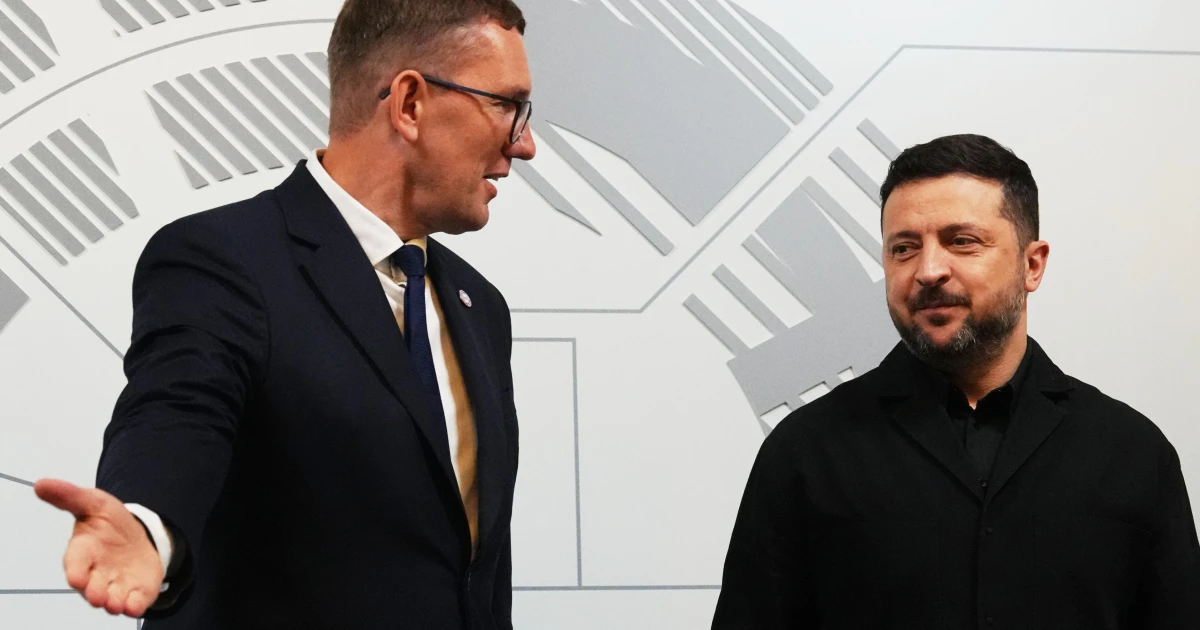
EU ambassadors from the bloc’s 27 member states agreed to move Ukraine and Moldova into the first phase of membership talks, a politically loaded step that keeps both countries on the EU track and signals that Russian pressure has not broken Brussels’ commitment. The first intergovernmental conference was set for Monday, June 15, in Luxembourg, where the opening cluster on fundamentals was to begin.
That first cluster matters because it is the hard core of accession, covering the rule of law and democratic institutions. It opens first and closes last, and progress there shapes the pace of the entire process. The EU’s enlargement framework is divided into six clusters and 33 negotiating chapters, which means the symbolic announcement in Brussels was only the start of years of technical scrutiny, legal alignment and political bargaining.
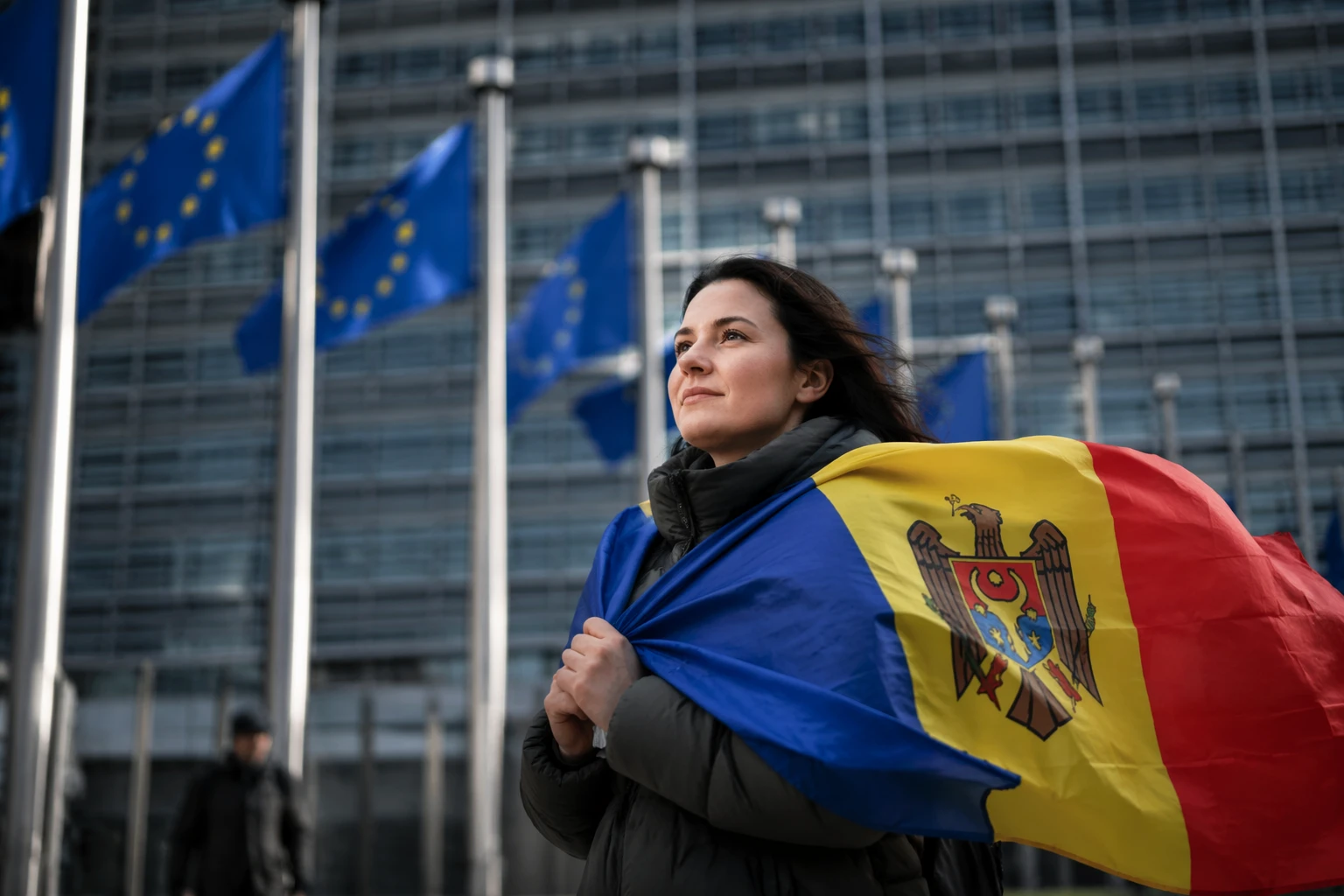
For Kyiv, the move carried obvious geopolitical weight. Ukraine applied for EU membership on February 28, 2022, days after Russia’s full-scale invasion, and the bloc granted candidate status on June 23, 2022. Moldova followed with its own application on March 3, 2022, and received candidate status the same day as Ukraine. By advancing both countries together, the EU was again treating enlargement as a strategic instrument, not just a bureaucratic process, and sending a message that its eastern border is not up for negotiation.
The path remained fragile. Hungary, which had long blocked Ukraine’s bid, signaled it would drop its opposition after a deal on minority rights for Hungarians in Ukraine. Even so, unanimity is required at each step of accession, which leaves every chapter vulnerable to vetoes, delays and domestic politics inside the 27-member bloc. The opening conference in Luxembourg was scheduled under the Cyprus rotating presidency of the Council of the EU, underscoring how much momentum still depended on internal EU consensus.
European Council President António Costa and European Commission President Ursula von der Leyen said all member states had agreed to open the first accession negotiations cluster with Ukraine and Moldova, framing the move as recognition of the determination and hard work both governments had shown despite immense challenges. For Ukraine, the talks were another reminder that Europe still sees a future for a country fighting for survival. For Moldova, they were a signal that reform-minded leaders had not been left alone. But the road from opening talks to actual membership remained long, conditional and politically exposed.