World
EU Parliament backs tougher migration rules, paving way for deportations

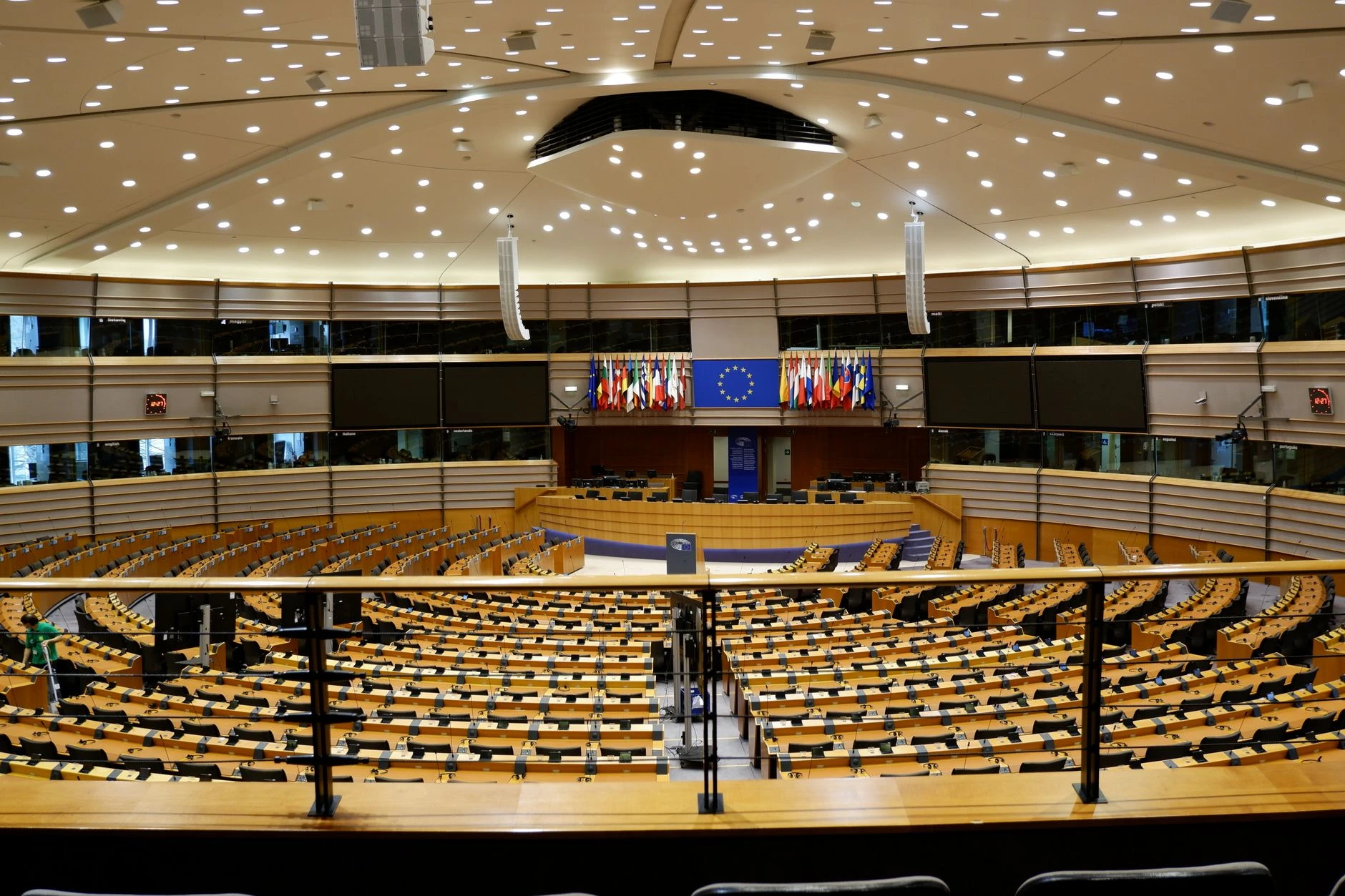
European lawmakers have moved the bloc closer to a return system that critics say could normalize detention and deportation far beyond the EU’s borders. The European Parliament backed tougher migration rules in Strasbourg on June 17, opening the way for member states to create detention centres outside the bloc and to speed up the removal of people judged to be staying in the EU illegally.
The vote was only one step in the process, with final formal approval still needed from the 27 national governments. But the direction is unmistakable: Brussels is tightening its border architecture just as migration remains one of Europe’s most combustible political issues, fuelled by a decade in which anti-immigration sentiment has helped lift far-right parties across the continent.

The overhaul stems from a European Commission proposal on March 11, 2025 for a new Common European System for Returns, designed to replace the 2008 Return Directive. EU institutions reached a provisional deal on June 1, 2026, and the Parliament’s vote came as the wider migration and asylum pact was due to become fully applicable on June 12, 2026. In Brussels, officials have cast the return regulation as a practical tool to make removals faster and more effective.
European Commission President Ursula von der Leyen defended that line in a letter to member states, saying the regulation would provide the necessary tools to make returns faster and more effective. Malik Azmani, the rapporteur, called the deal an overdue reform after nearly 20 years of standstill.

The political pressure behind the shift is obvious. UNHCR says more than 1,000,573 refugees and migrants reached Europe across the Mediterranean in 2015, with 3,735 missing or believed drowned, a surge that reshaped migration politics in the EU. Eurostat says first-time asylum applications in EU countries fell to 669,400 in 2025 from 912,000 in 2024, a drop of 27%, yet governments have continued to harden policy.
That hardening is exactly what alarms rights groups. Volker Türk has warned that dehumanization of migrants and refugees is already appalling in the UK, US and across Europe, and said the EU risks expanding detention hubs while weakening safeguards against refoulement, the practice of sending people back to danger. UNHCR has urged the EU to strengthen safeguards in the new rules, while Amnesty International and Human Rights Watch say the proposals could lead to arbitrary detention, unsafe deportations and indirect refoulement.
The plan also pushes Europe closer to an outsourcing model once treated as politically toxic, echoing Britain’s Rwanda scheme and other past efforts to shift migration enforcement beyond national borders. Reuters reported that the Commission recently invited Taliban officials to Brussels to discuss deportations of Afghan migrants, underscoring how far the debate has moved from emergency management toward a more permanent system of exclusion.
Sources
- [1]usnews.com
- [2]consilium.europa.eu
- [3]commission.europa.eu
- [4]unhcr.org
- [5]ec.europa.eu
- [6]ohchr.org
- [7]amnesty.org
- [8]hrw.org
- [9]europarl.europa.eu