World
EU parliament clears Turnberry trade deal, final approval next week
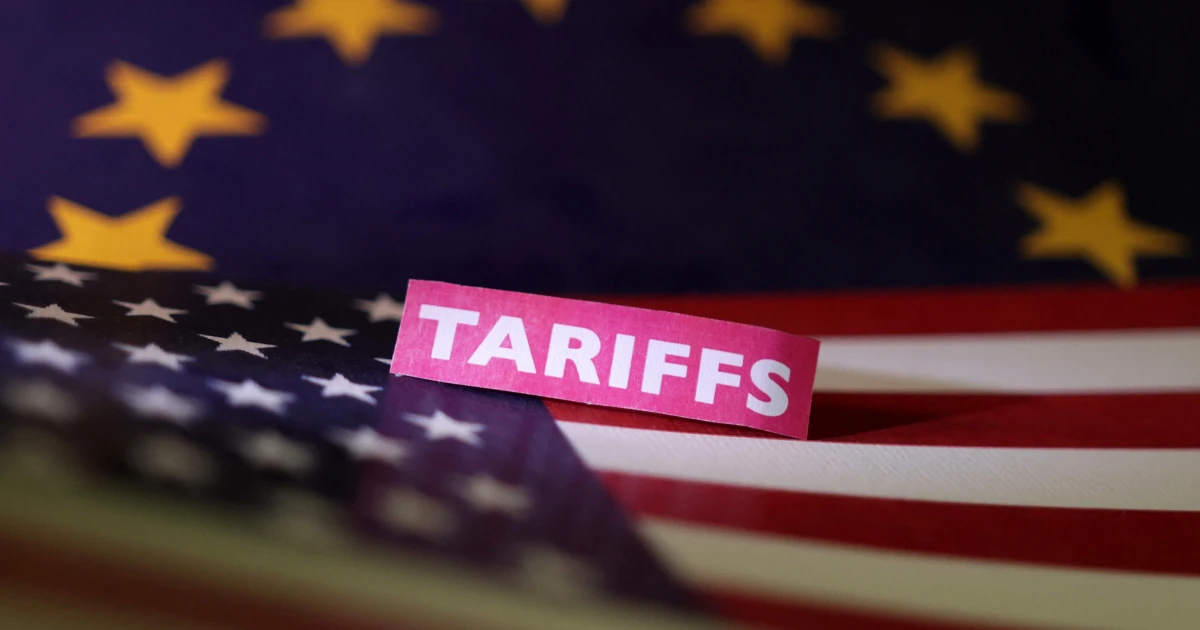
The European Parliament’s vote on June 16 moved the Turnberry trade framework from political promise to something that can start changing tariffs in practice. For American exporters, the clearest gains are the EU’s removal of import duties on U.S. industrial goods, preferential access for some U.S. farm products, and the extension of duty-free lobster access.
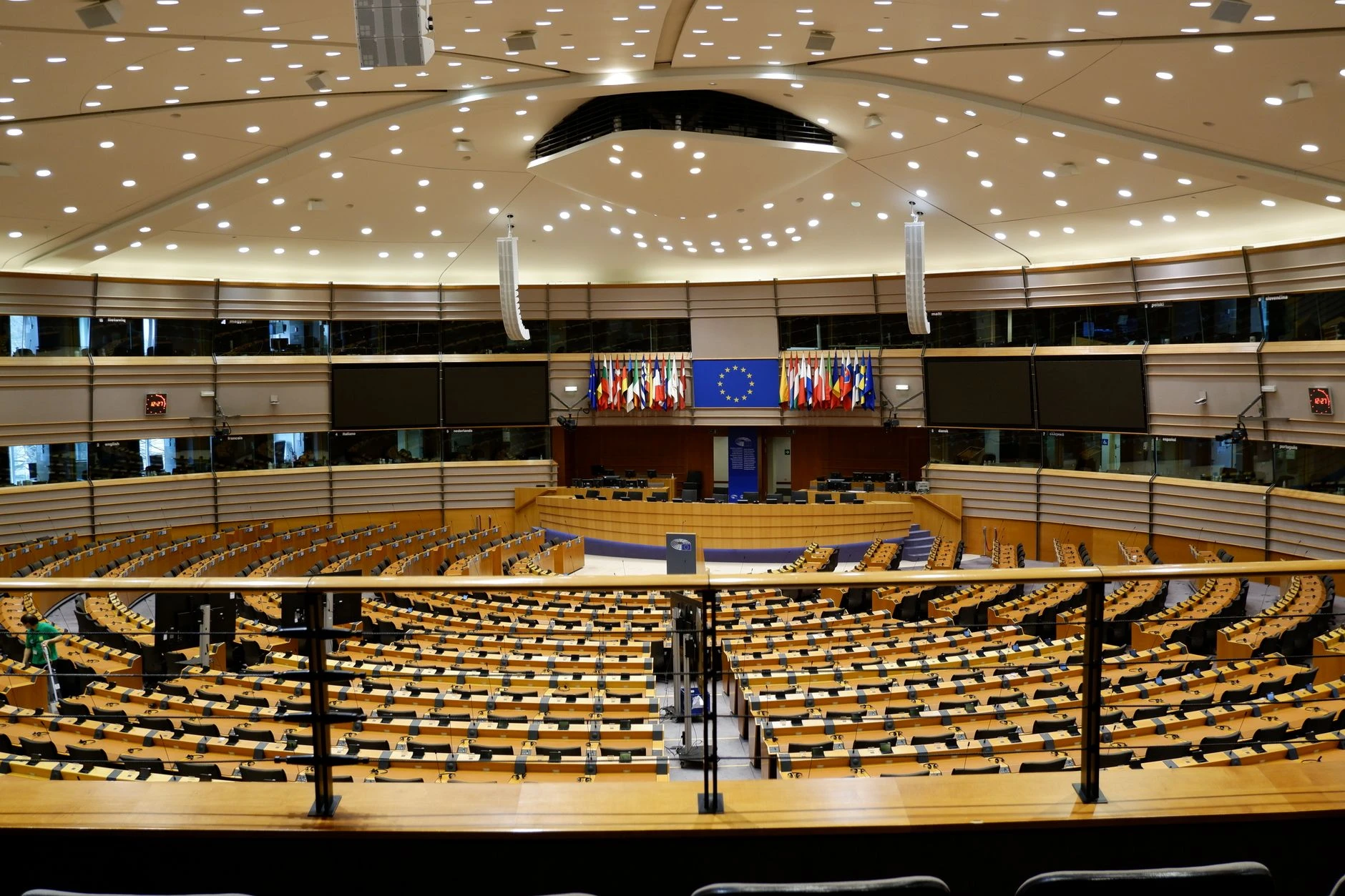
The approval, which passed 440 votes to 151, came almost 11 months after Donald Trump and European Commission President Ursula von der Leyen announced the deal at Trump Turnberry in Scotland on July 27, 2025. The last major step is expected from EU countries on June 26, 2026, a final signoff that would turn the framework into law after a long stretch in which the agreement remained politically announced but not legally finished.
The practical trade balance remains asymmetric. Under the framework, the United States imposed 15% tariffs on most EU goods, while the EU agreed to remove import duties on U.S. industrial goods and open the door more widely to some U.S. farm products. That means the first clear winners are likely to be American industrial manufacturers, selected agricultural exporters, and U.S. lobster suppliers, while European exporters continue to absorb the hit from the 15% U.S. tariff wall.

The delay mattered because the original Turnberry announcement was never enough on its own to shield transatlantic commerce from another round of escalation. Trump had warned the EU it needed to act by July 4, 2026, or face “much higher” tariffs, a deadline that gave the parliamentary vote added urgency and exposed how fragile the arrangement remained until lawmakers moved it into the legal pipeline.
Supporters in Brussels said the vote delivered long-awaited certainty after nearly a year of wrangling. That certainty has weight: the European Commission says EU-U.S. trade in goods and services reached about €1.6 trillion in 2024, and total EU-U.S. investment stood at about €5.3 trillion in 2022. Those figures explain why both sides have treated the deal less as a narrow tariff accord than as an attempt to stabilize one of the world’s most important commercial relationships.
Still, the long delay left a question hanging over the deal even as it advanced: whether Turnberry marks a durable reset in U.S.-EU trade or a politically fragile truce that depends on the next deadline. For now, the framework is moving forward, but its logic still rests on managed tension rather than a full reset.