World
EU plans law to force companies to diversify key supply chains
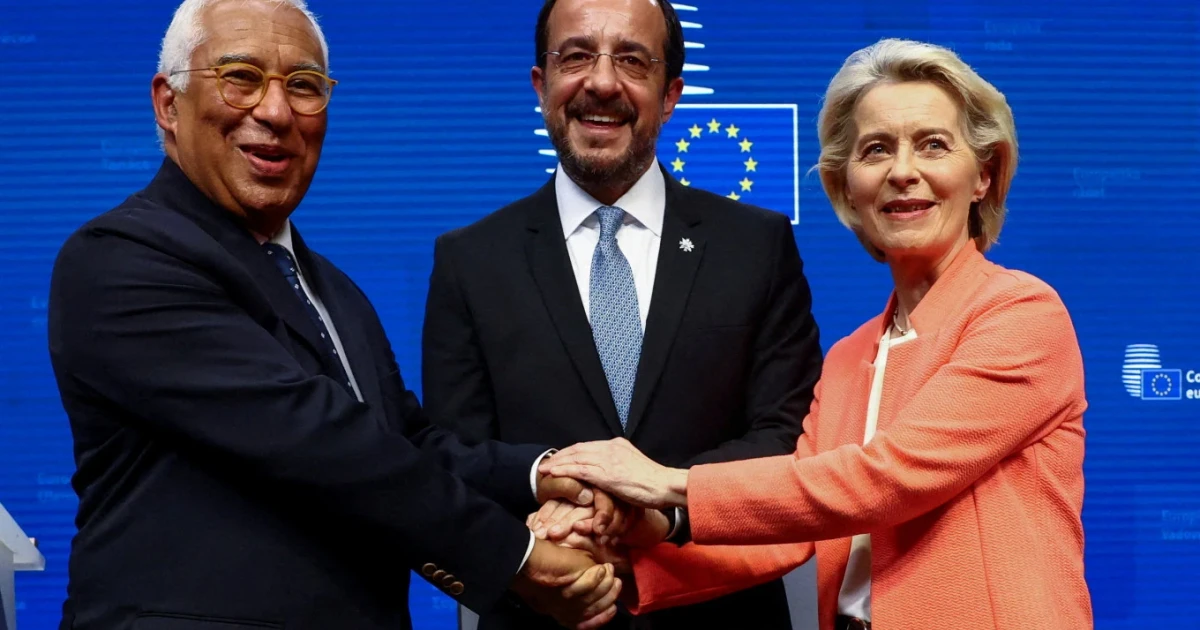
Europe is moving from de-risking rhetoric to compulsory economic-security policy. After a leaders’ summit in Brussels, European Commission President Ursula von der Leyen said the Commission would propose a new law requiring EU companies to diversify their sources of key supplies, a sign that Brussels wants supply-chain resilience enforced, not merely encouraged.
The push comes with China clearly in view, even though the European Council’s June 18 and 19 conclusions did not name it. Leaders said they held a strategic debate on global macroeconomic imbalances and asked the Commission to continue work on competitiveness and global economic challenges. They also backed talks with major trading partners and said they would review whether new trade measures are needed, widening the policy debate beyond a simple commercial dispute.
Von der Leyen said companies had moved too slowly to diversify supply chains and suggested the law could become unnecessary only if businesses sped up on their own. Her framing was careful but firm: Europe does not want to cut ties with China altogether, but it does want to reduce exposure in sectors where one country can interrupt supplies and gain political leverage. That would matter most for manufacturers, semiconductor firms, energy equipment makers and any industry dependent on refined materials or specialized parts.
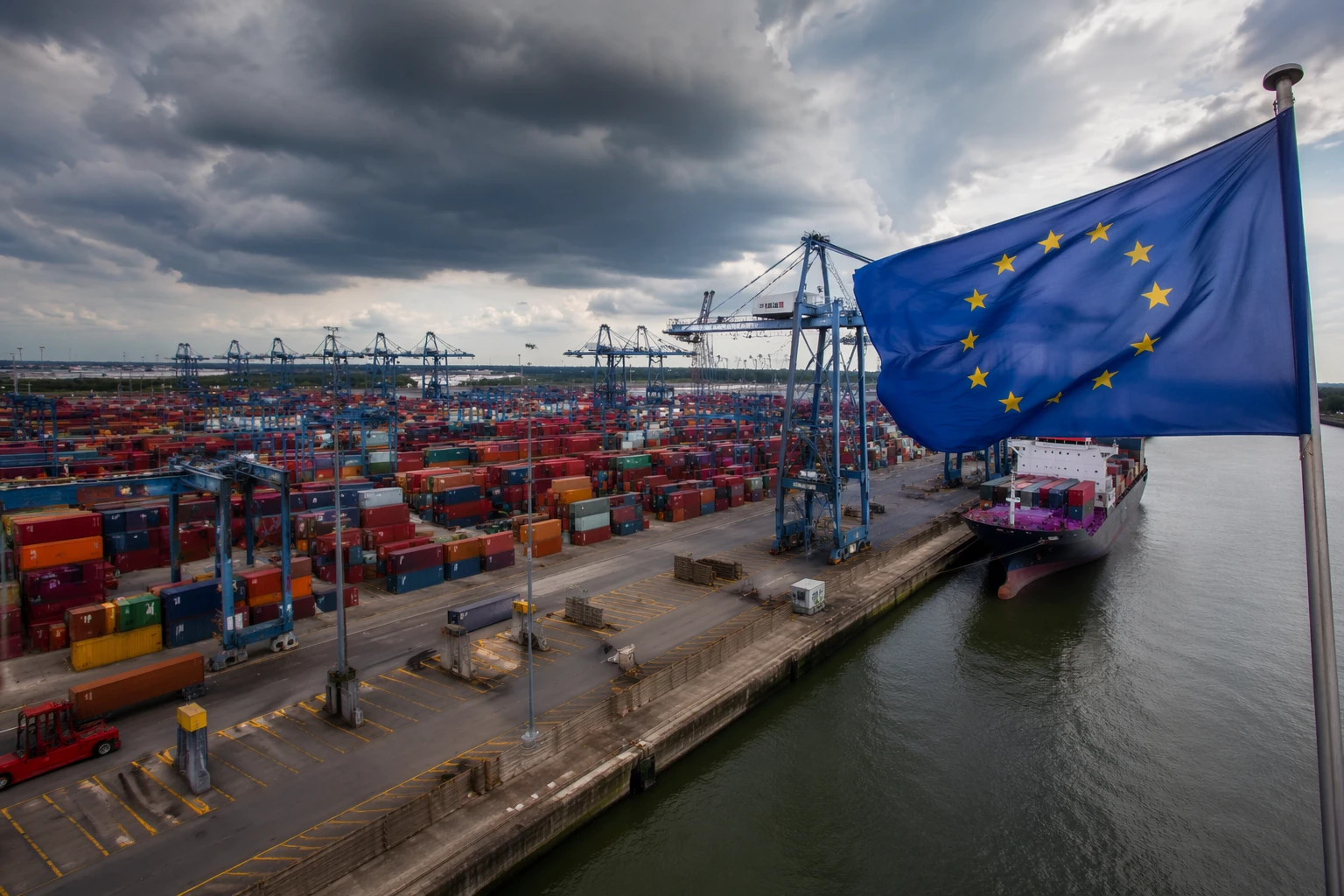
The legislative idea had already surfaced earlier this month. On June 5, Maroš Šefčovič said the Commission was weighing measures that could force firms in sensitive sectors to cut reliance on single suppliers, notably in China, and diversify to at least three sources. He also called for a dedicated diversification instrument, and the broader review of EU trade defences is due by the third quarter of 2026. The direction is clear: companies in chips, rare earths and similar strategic inputs may soon be pushed to map, prove and spread their sourcing risk.
The economic backdrop is giving the Commission little room to soften the message. China’s goods trade surplus with the EU reached about €360.6 billion in 2025, up 15% from 2024, and widened further in the first four months of 2026. Von der Leyen has also said 2025 would be the first year in which all EU member states ran trade deficits with China. For Brussels, that imbalance is now part of the security argument, not just the trade one.
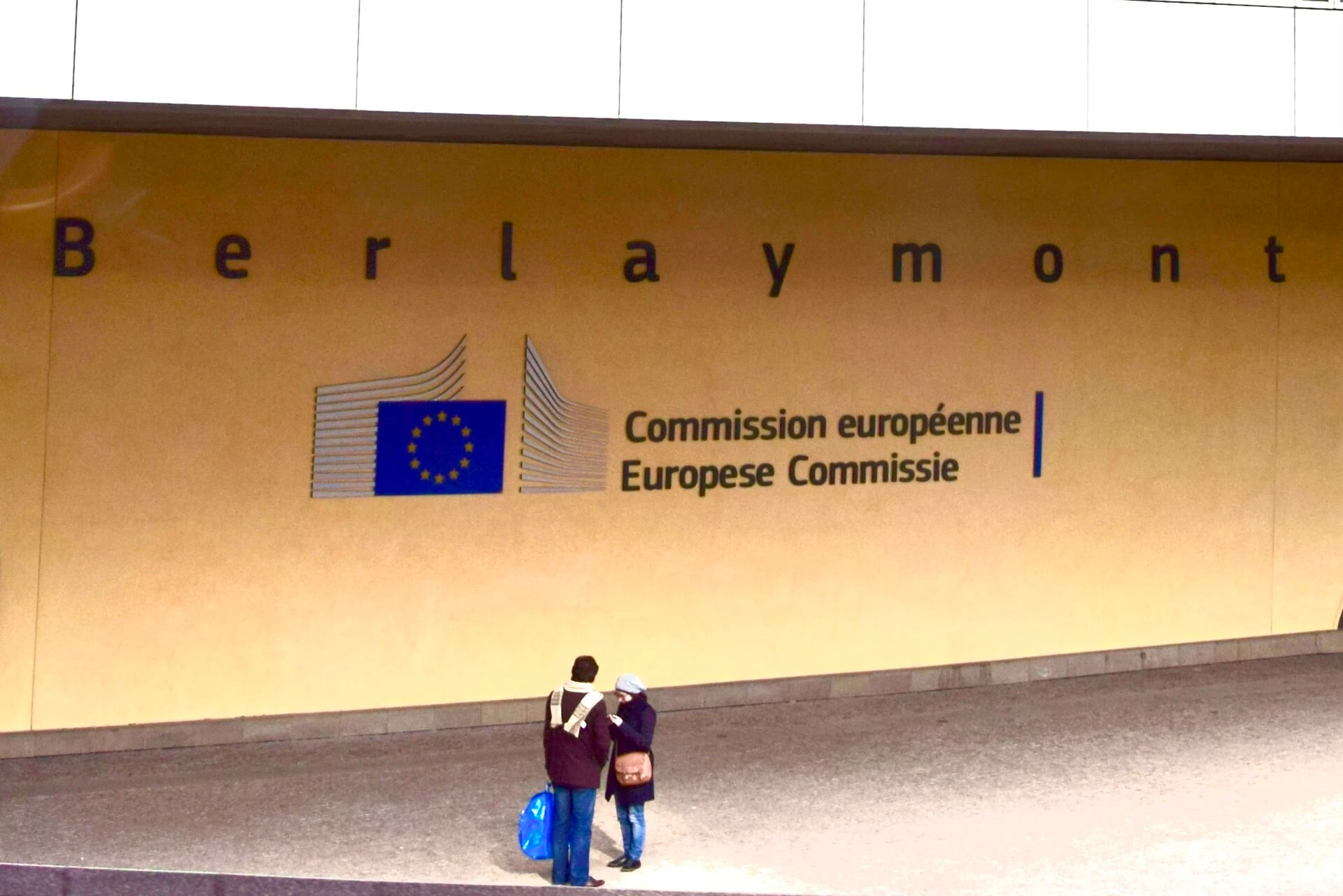
Rare earths have made the warning concrete. China imposed two waves of export controls on rare-earth elements in April and October 2025, and the second wave was suspended until November 2026. The European Central Bank said Chinese shipments of rare-earth magnets fell by about 75% in May compared with a year earlier, with some carmakers forced to halt production. It also warned that shortages would hit cars, computers and phones, showing why Europe is treating diversification as a strategic requirement rather than a voluntary best practice.
Sources
- [1]thejakartapost.com
- [2]msn.com
- [3]consilium.europa.eu
- [4]politico.eu
- [5]srnnews.com
- [6]money.usnews.com
- [7]europarl.europa.eu
- [8]ecb.europa.eu