World
EU proposes sweeping sanctions on Russia’s banks, crypto and oil network
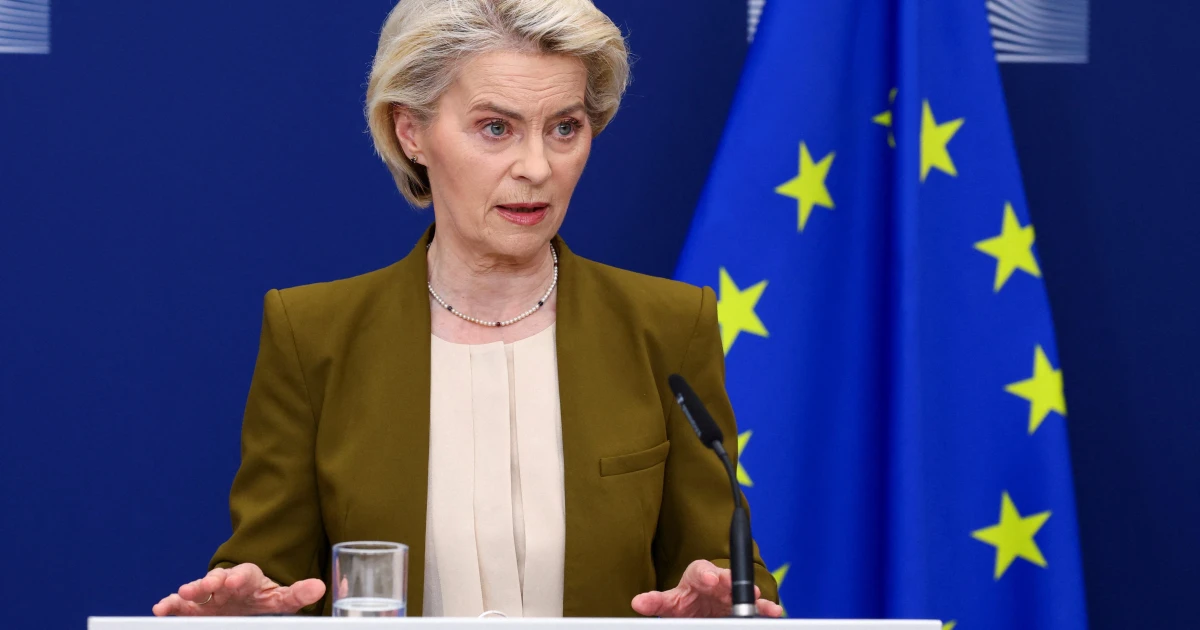
The European Union is moving to hit Russia where earlier sanctions proved leakiest: its banks, crypto channels and the supply chains that keep wartime trade moving. The proposed 21st package would list 170 individuals and entities, including close to 90 banks, the largest one-time addition of banks to the EU sanctions list so far.
The scale matters because it shifts the focus from broad punishment to enforcement. If adopted, the total number of listed banks would rise to more than 100, putting well over half of Russia’s internationally connected lenders under EU asset freezes, transaction bans and travel restrictions. The package would also impose transaction bans on 35 banks, including four outside Russia, and target 11 crypto platforms used to route around Western restrictions.
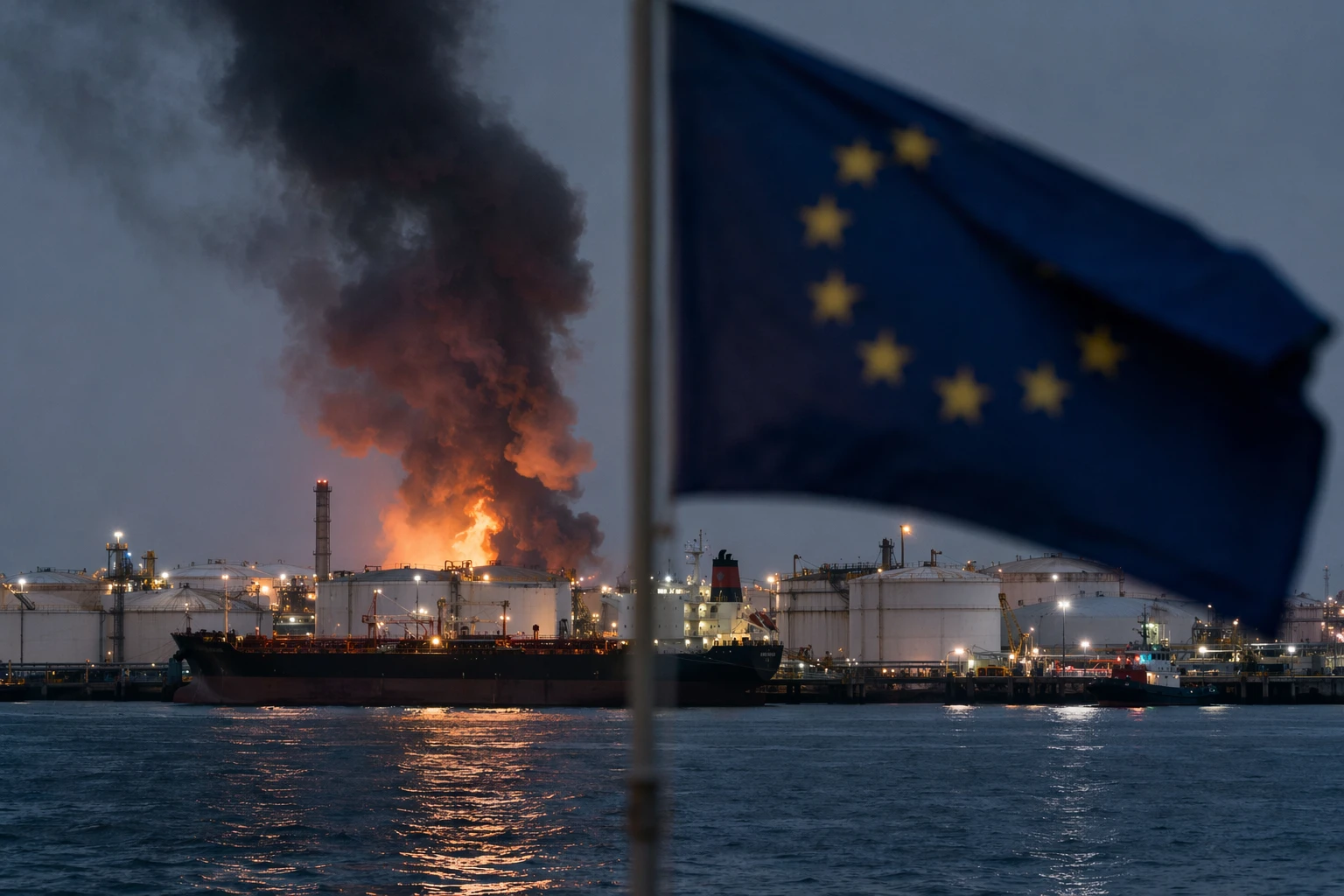
Kaja Kallas said the aim was to deal a heavy blow to Russia’s financial sector. The logic is clear: after 20 previous sanctions packages, Russian companies have increasingly leaned on smaller lenders and third-country channels to keep moving money, settling trade and supporting weapons production. By going after the financial plumbing itself, Brussels is trying to close the loopholes that let Moscow adapt rather than simply adding more names to a list.
The proposal also widens pressure on the oil network and on drone production, signaling that banks are now being treated as central to Russia’s war economy, not peripheral to it. Ursula von der Leyen said the package would also lay the basis for possible future tougher, country-level bans on crypto-asset services, underscoring how seriously EU officials now view digital assets as a sanctions evasion channel.
The new move comes on top of the EU’s 20th sanctions package, adopted on April 23, 2026, which added 36 Russian energy-sector entities, 46 vessels to the shadow-fleet list and activated the bloc’s anti-circumvention tool for the first time. That earlier package pushed the total number of listed shadow-fleet vessels to 632 and broadened pressure across energy, finance, trade and logistics, showing a steady escalation from symbolic punishment toward systemic disruption.
The broader economic backdrop is already weakening. Russian growth slowed to 1% last year from 4.9% in 2024, while Moscow continues to deny any meaningful banking crisis. Kallas has said Western sanctions have cost Russia an estimated $1.2 trillion to $1.5 trillion, but the latest package suggests Brussels believes the war-financing machine still has weak points left to squeeze. A separate sanctions track for June 15 would add more than 80 listings against propagandists, human-rights violators and defense-linked companies, reinforcing the same message: Europe is trying to make every remaining workaround more expensive.