Business
EU removes import duties on many U.S. goods to avert trade fight
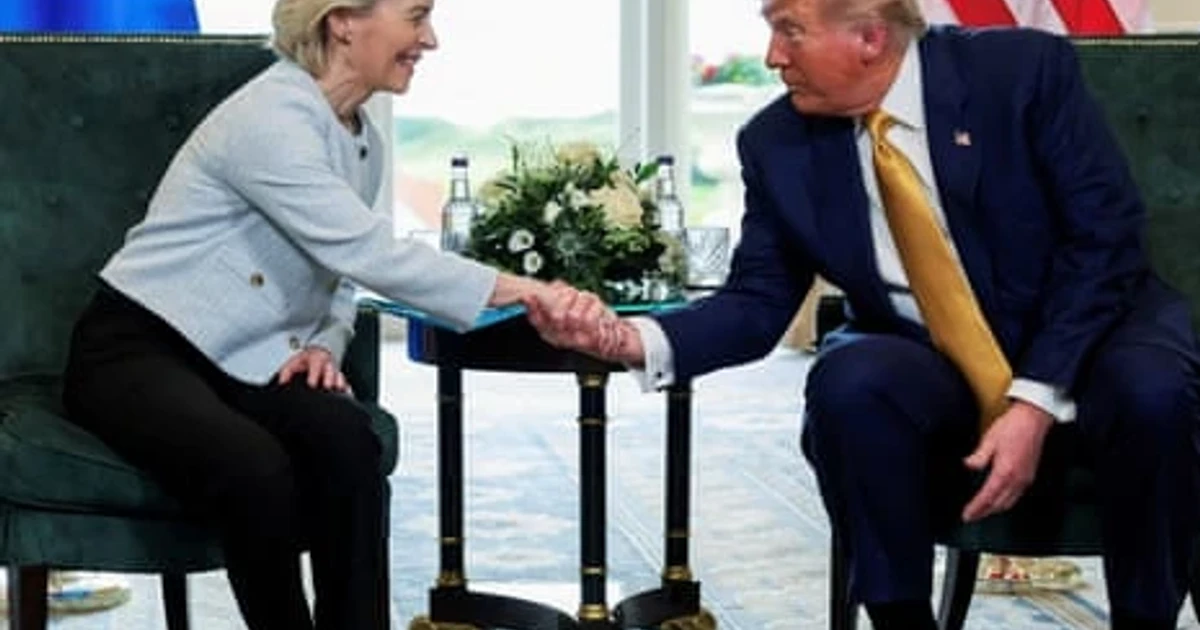
EU governments gave final approval on Thursday to remove import duties on many U.S. goods, completing the bloc’s side of the tariff deal Ursula von der Leyen and Donald Trump struck in Turnberry, Scotland, on 27 July 2025. The vote puts Brussels on course to meet Trump’s July 4 deadline and lowers the risk of another transatlantic trade clash after months of stop-start bargaining.
The package opens the EU market to all U.S. industrial goods and gives preferential access to a wide range of seafood and non-sensitive agricultural products, including tree nuts, dairy products, fresh and processed fruit and vegetables, processed foods, planting seeds, soybean oil, pork and bison meat. It also extends duty-free treatment for lobster, adding processed lobster to the live-lobster carve-out that survived from Trump’s first term. The European Parliament backed the legislation on 16 June by 440 votes to 151, with 50 abstentions, after the Commission first put forward the proposals on 28 August 2025.
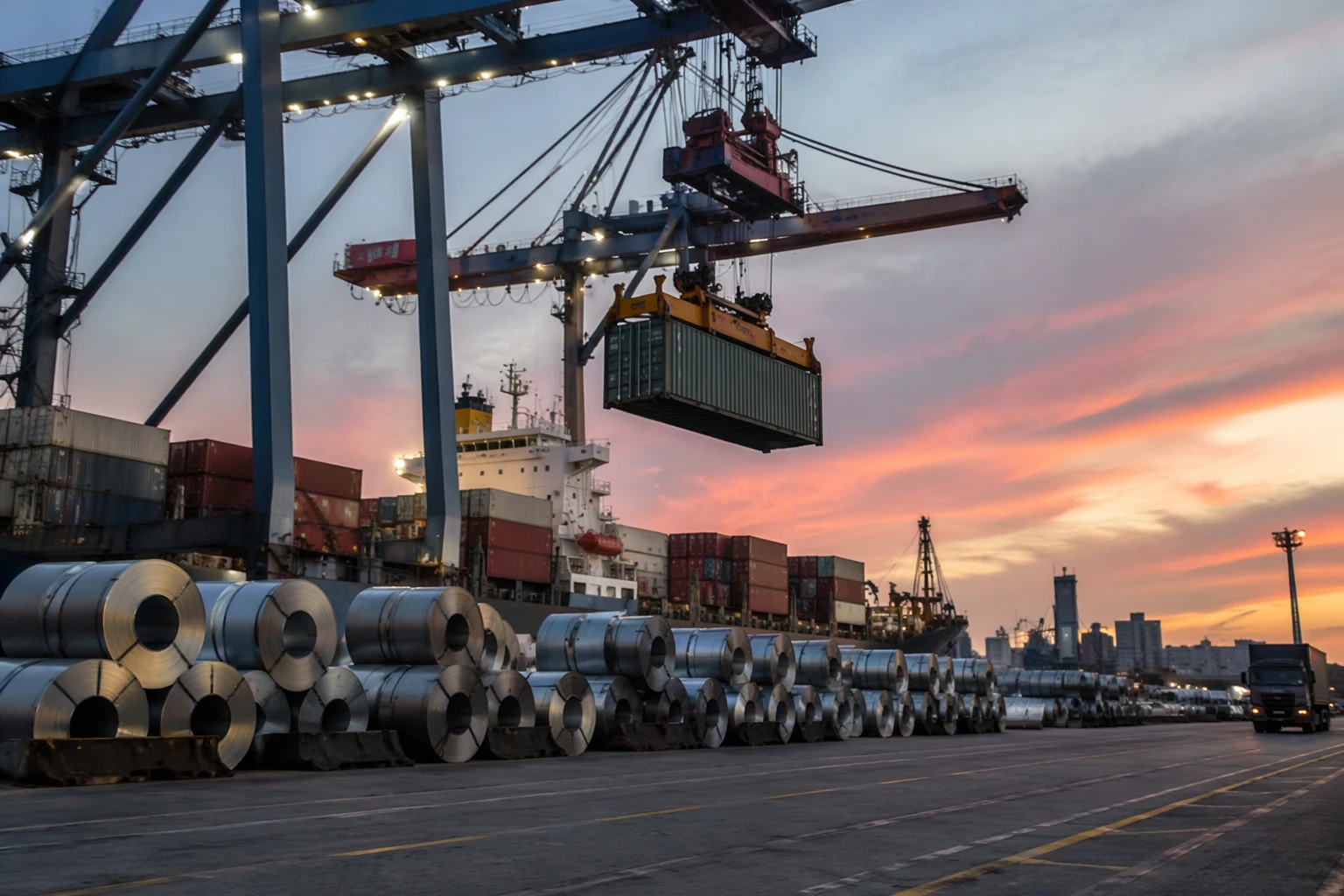
For American exporters, the immediate winners are manufacturers, farm producers and seafood suppliers that can now sell into the EU without the tariff barrier that had defined parts of the relationship. For Europe, the central concession is tariff relief for the EU automotive sector under the broader framework, which was set to take effect retroactively from 1 August 2025. The Commission and Parliament built in safeguards, including a power to suspend the concessions if the United States breaches the joint statement, undermines its objectives or disturbs trade and investment ties.
The legislation also gives Brussels a way to reverse course if Washington changes direction. The main regulation will expire at the end of 2029 unless extended, while the lobster measure runs until 31 July 2030. The Council and Parliament reached a provisional agreement on 20 May before the Council’s final sign-off on 25 June, underscoring how quickly both sides moved to turn the political deal into law.
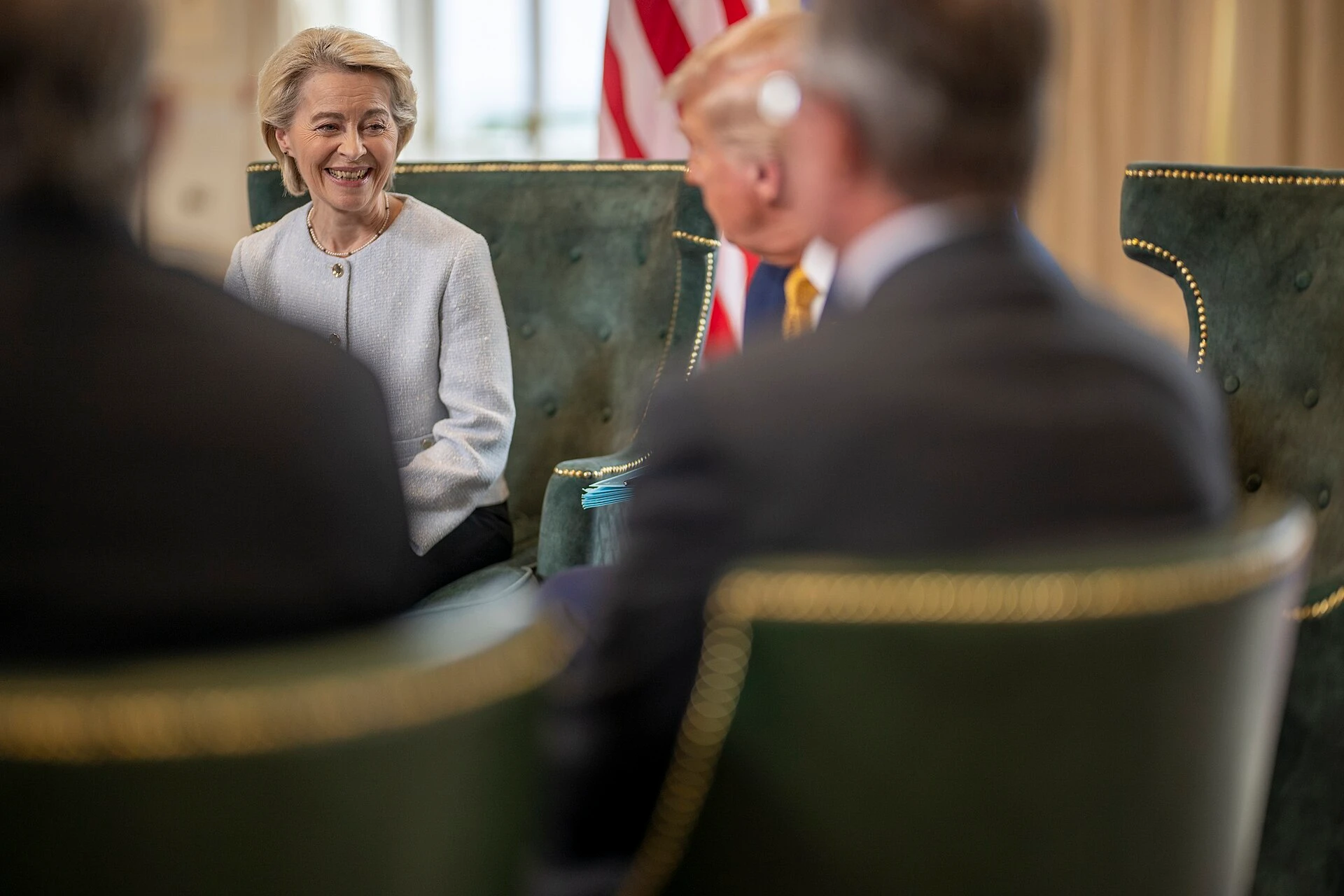
The stakes are large. The European Union and the United States account for almost 30% of global trade in goods and services and 43% of global GDP, and their goods-and-services trade surpassed €1.7 trillion in 2025. Von der Leyen welcomed the Parliament’s vote by saying the EU was delivering on its commitments and that “a deal was a deal,” a line that captured the pressure to make tariff diplomacy look durable, not merely declaratory.