World
EU renews Russia sanctions for 12 months in show of unity
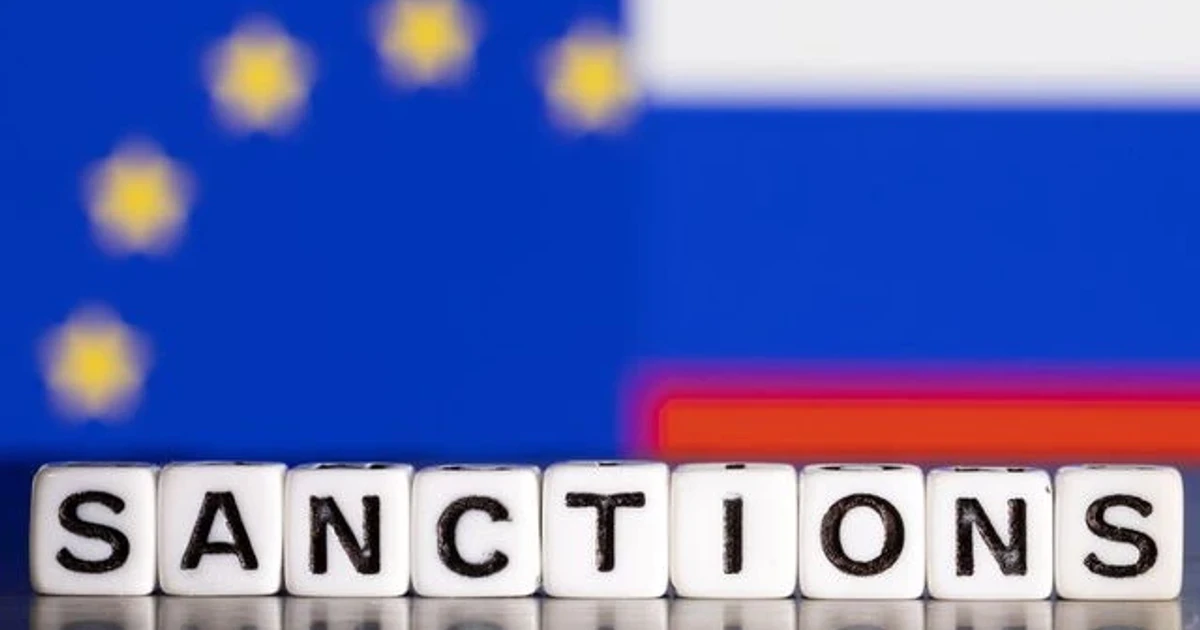
EU leaders used a summit in Brussels to send a blunt political message: despite fatigue, internal friction and pressure on Western unity, the bloc is still prepared to keep sanctions on Russia in place for the long haul. On June 18, 2026, the European Council agreed to renew the EU’s sectoral sanctions against Russia for 12 months, the first time those measures have been extended for a full year rather than the usual six-month rollover.
The decision matters because it preserves one of Brussels’ most important forms of leverage over Moscow while the war in Ukraine continues to grind on. The sanctions target major sectors of the Russian economy and have been part of the EU response since Russia’s full-scale invasion of Ukraine in February 2022. By shifting from a six-month cycle to a year-long horizon, EU leaders reduced the number of recurring political flashpoints in which any single member state could threaten to stall the package.
That change is especially significant after years in which unanimity was repeatedly tested. Hungary had often been viewed as a possible blocker in past renewal rounds, and the six-month timetable created regular moments when the bloc had to prove it could stay aligned. Bloomberg reported on June 4, 2026, that Budapest would back the longer extension, a notable reversal that helped clear the way for the move in Brussels. The formal legal step still rests with the Council of the European Union, but the leaders’ agreement removed the main political obstacle.
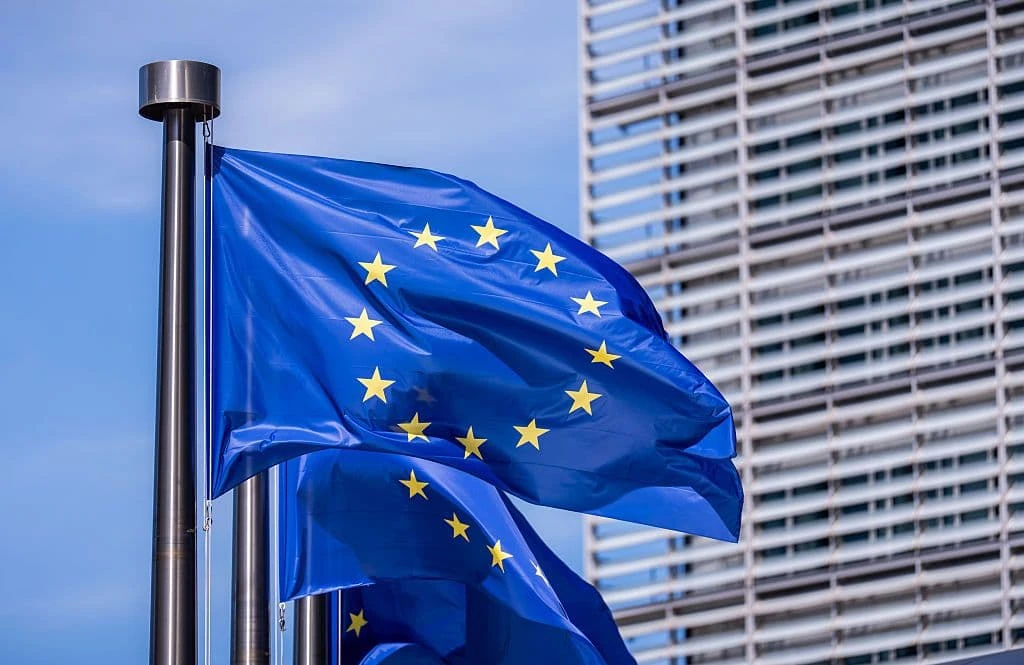
The summit, chaired by European Council President António Costa, also included Ukrainian President Volodymyr Zelenskyy. EU leaders adopted conclusions on Ukraine, European defence and security, reinforcing the sense that the sanctions decision was part of a broader effort to show resolve. For Kyiv, the extension signaled that Europe intends to keep economic pressure on Russia even as questions persist over military aid, defense production and political attention.

The year-long renewal came alongside a fresh sanctions push. On June 15, 2026, the Council adopted another package targeting Russia’s military-industrial complex, energy revenues, propaganda efforts and human-rights violations. That set added 7 individuals and 21 entities linked to Russia’s military-industrial base. The EU also extended its separate human-rights sanctions regime over abuses in Russia until May 28, 2027.
The previous six-month renewal had kept the sectoral sanctions alive only until July 31, 2026. Extending them for 12 months now gives businesses, diplomats and markets a steadier policy horizon, while underscoring that Brussels sees sanctions not as a temporary punishment but as a durable feature of its response to Russia’s war.
Sources
- [1]usnews.com
- [2]consilium.europa.eu
- [3]bloomberg.com
- [4]politico.eu