Technology
EU says TikTok failed to protect children's privacy on platform
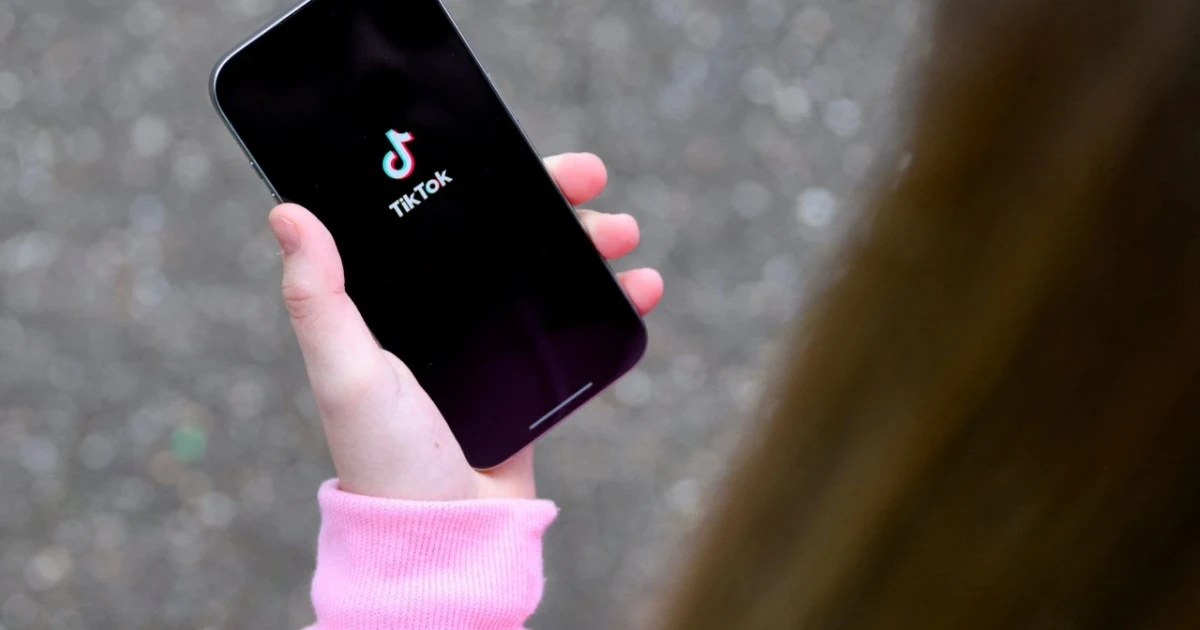
The European Commission said Friday that TikTok failed to adequately protect children’s privacy, finding that the platform’s account settings let adults view minors’ accounts and could expose young users to cyberbullying, unwanted contact and predatory behavior.
The commission said the problem goes beyond content moderation and centers on default privacy settings and visibility controls. In its preliminary findings, officials said TikTok’s settings for minors may allow any user, including people without a TikTok account, to view minors’ content if the account is public. TikTok now has an opportunity to review the findings and respond before Brussels makes any final enforcement decision.
The case lands under the Digital Services Act, the European Union’s tougher platform law, which requires services accessible to children and teens to ensure a high level of privacy, safety and security. Brussels has spent years building that rule book to force large platforms to take responsibility for how their products are designed, not just what users post. The Commission has already said the DSA has pushed platforms to change their systems and interfaces to provide a safer online experience for Europeans.

That approach is stricter than the lighter U.S. framework. In the United States, the main federal law is the Children’s Online Privacy Protection Act, or COPPA, which puts parents in control of the collection of personal information from children under 13. The Federal Trade Commission finalized changes to the COPPA rule in January 2025, and those amendments took effect on June 23, 2025. Even so, the U.S. system remains narrower than the EU’s because it focuses on under-13 data collection and parental consent, while the DSA covers platforms accessible to children and teens and demands safety by design.
The TikTok case is part of a broader enforcement campaign. The European Commission opened formal proceedings against TikTok under the DSA on Feb. 19, 2024, and in February 2026 it made separate preliminary findings that TikTok’s addictive design may also breach the same law. Together, the cases show regulators in Brussels testing whether they can force major platforms to redesign products for child safety and teen privacy, rather than relying on fines after harm has already occurred. For American parents, federal regulators and other tech companies, the message from Europe is increasingly clear: privacy settings that leave minors visible by default are now a legal risk, not just a public-relations problem.
Sources
- [1]apnews.com
- [2]digital-strategy.ec.europa.eu
- [3]reuters.com
- [4]ec.europa.eu
- [5]abcnews.com