World
EU split after Costa opens quiet Kremlin communication channels
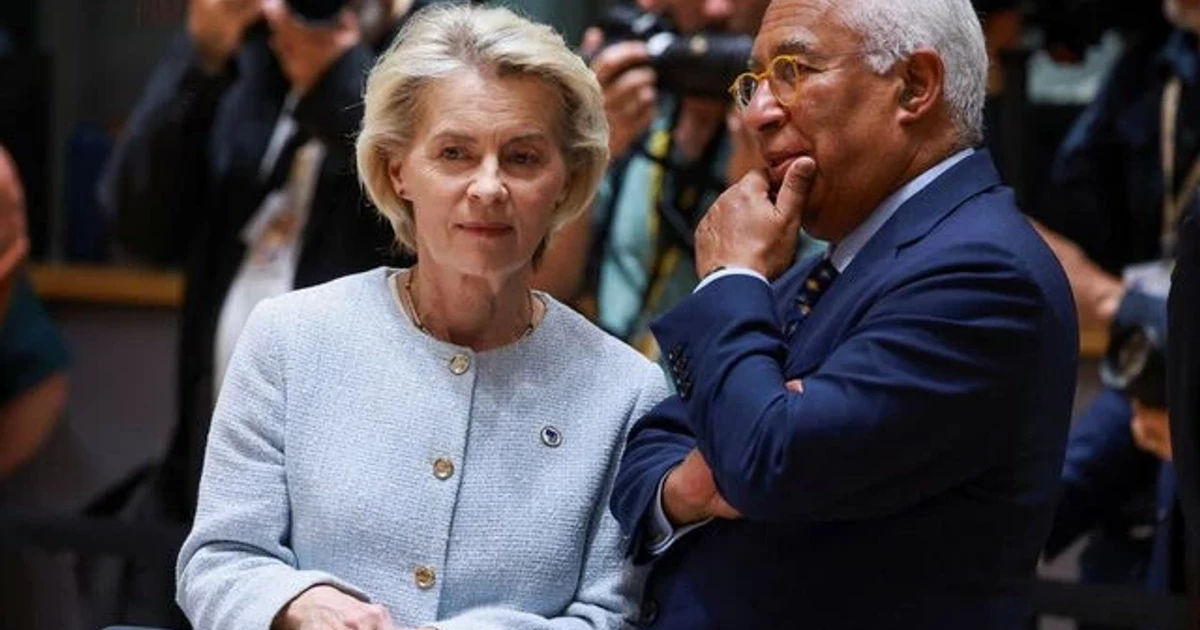
António Costa’s quiet outreach to the Kremlin exposed a harder question than who placed the call: whether the European Union still had a common Russia policy. Brief contacts at diplomatic level were made in recent weeks to open communication channels, but the move landed in Brussels as France, Germany and several Nordic and Baltic governments pushed back and urged more pressure on Moscow instead.
The dispute cut to the center of Europe’s war strategy. Costa’s office made the contacts without any substantive talks, and the effort ended years of near-silence between Brussels and Moscow. Yet the reaction inside the European Council showed that many leaders still saw direct engagement as premature, especially while Russia’s war in Ukraine continued and the EU’s sanctions regime remained in force.
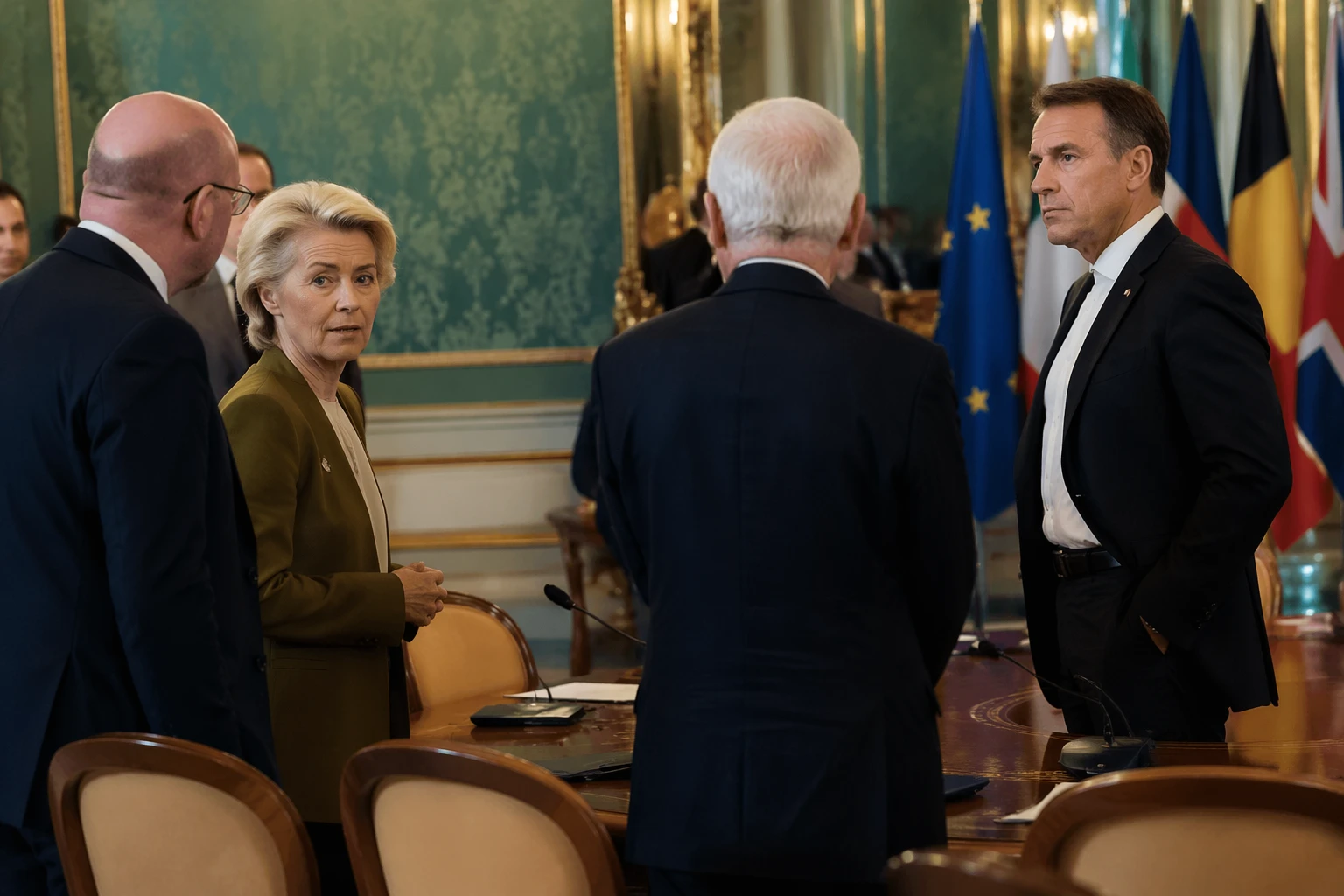
At the summit in Brussels on 18-19 June 2026, EU leaders reaffirmed support for a comprehensive, just and lasting peace based on the UN Charter and international law, underpinned by robust and credible security guarantees for Ukraine. Emmanuel Macron said Europeans had to be at the table in any peace talks because the issue concerned Europe’s interests, but he also made clear that any negotiation would have to focus on military capabilities and security guarantees for Ukraine. Friedrich Merz was not enthusiastic, and Nordic and Baltic countries were described as especially disturbed by the outreach.
The split went beyond personalities. One camp appeared ready to test whether limited contact with Moscow could eventually serve European diplomacy, especially as the war dragged on and U.S. policy looked less predictable. Another camp warned that reopening channels risked blunting pressure on Russia before any change in behavior, and several leaders criticized the move as poorly coordinated. The result was not a settled strategy but a revealing argument over who should represent Europe, under what mandate, and at what point in the war.
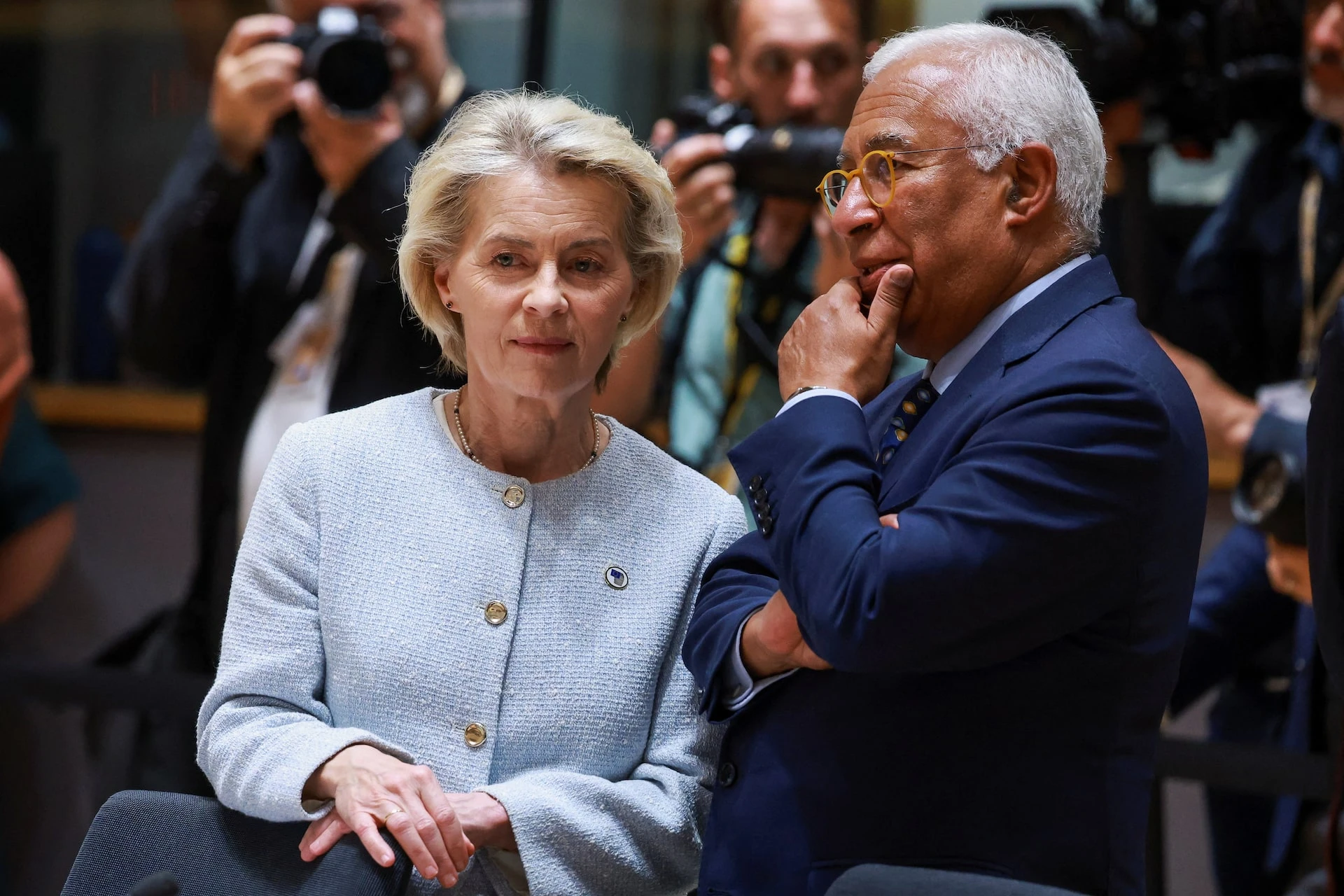
That argument unfolded alongside a harder institutional backdrop. The European Union says it has imposed 18 packages of sanctions on Russia since the 2022 invasion, with measures targeting more than 2,600 persons, organizations, companies and other entities. The Council renewed economic restrictive measures through 31 July 2026. At the same summit, the European Council welcomed the opening of the first Ukraine accession negotiation cluster on 15 June 2026, and Volodymyr Zelenskyy pressed leaders for fast-track EU membership, arguing that Ukraine’s security was Europe’s security.
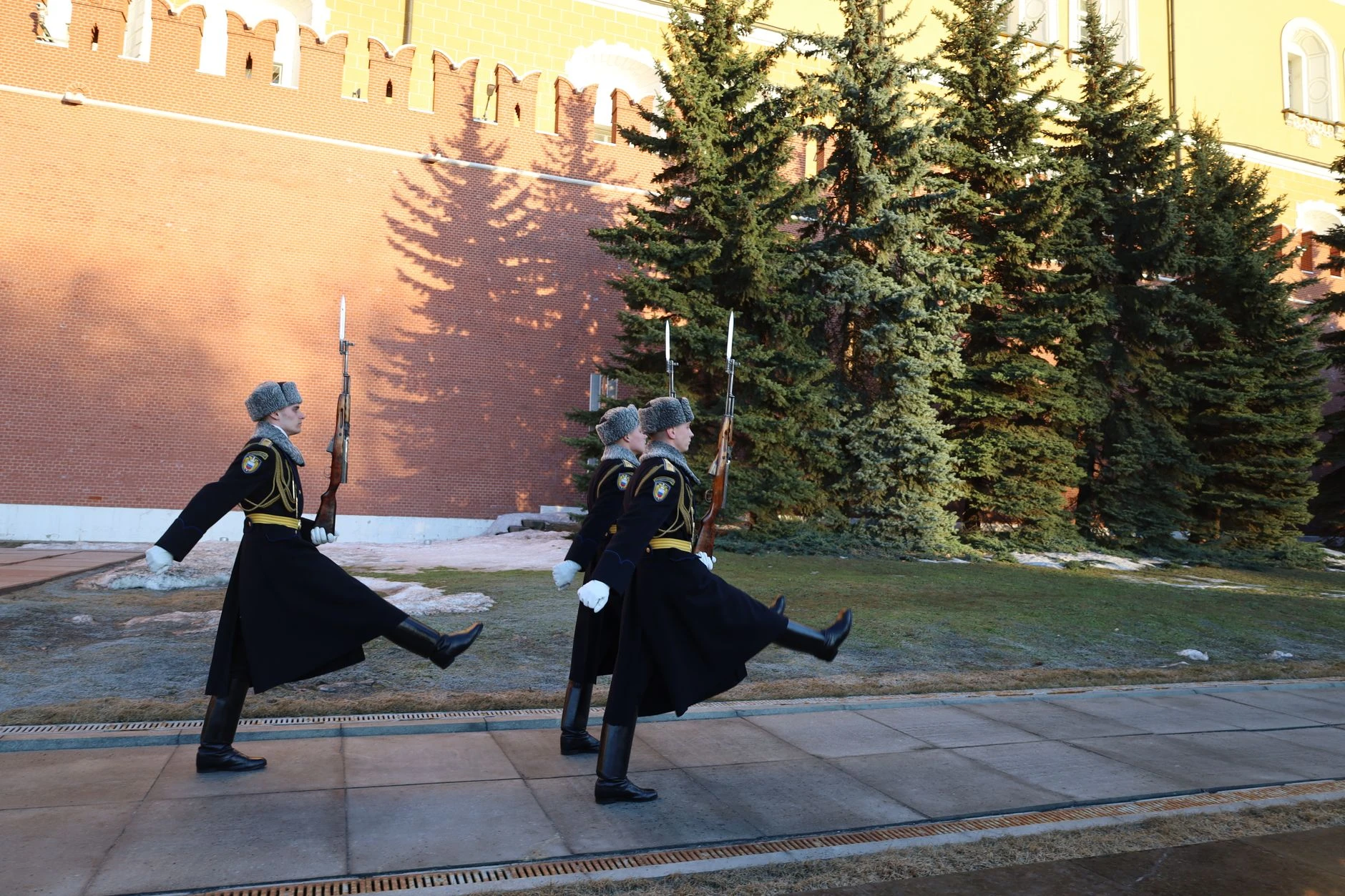
Costa insisted the summit moved the EU forward in unity on major priorities, including Ukraine and defense. But the Kremlin contacts showed how fragile that unity remains, and how much of Europe’s Russia policy now rests on whether leaders can agree on leverage before they agree on diplomacy.
Sources
- [1]usnews.com
- [2]consilium.europa.eu
- [3]eeas.europa.eu
- [4]reuters.com