World
EU weighs tougher action as China trade deficit widens sharply
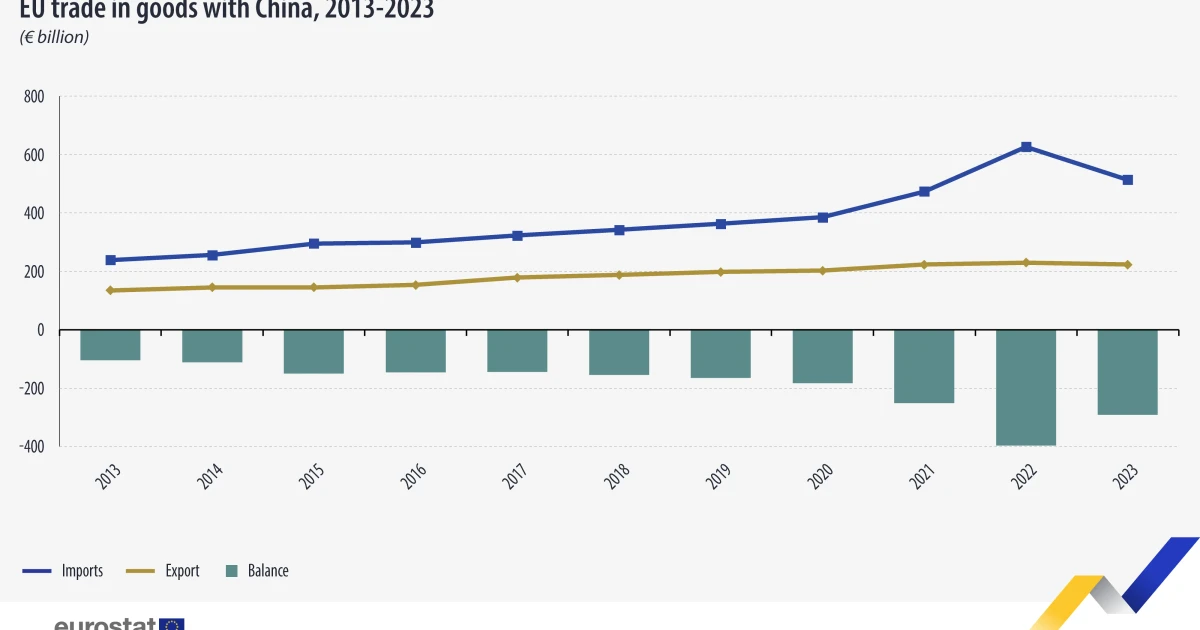
Europe’s trade imbalance with China is no longer being treated as a distant policy problem. In Brussels, leaders are increasingly confronting a vulnerability that runs through factories, power grids and high-tech supply chains: China supplies much of the material Europe needs, while the EU buys far more than it sells.
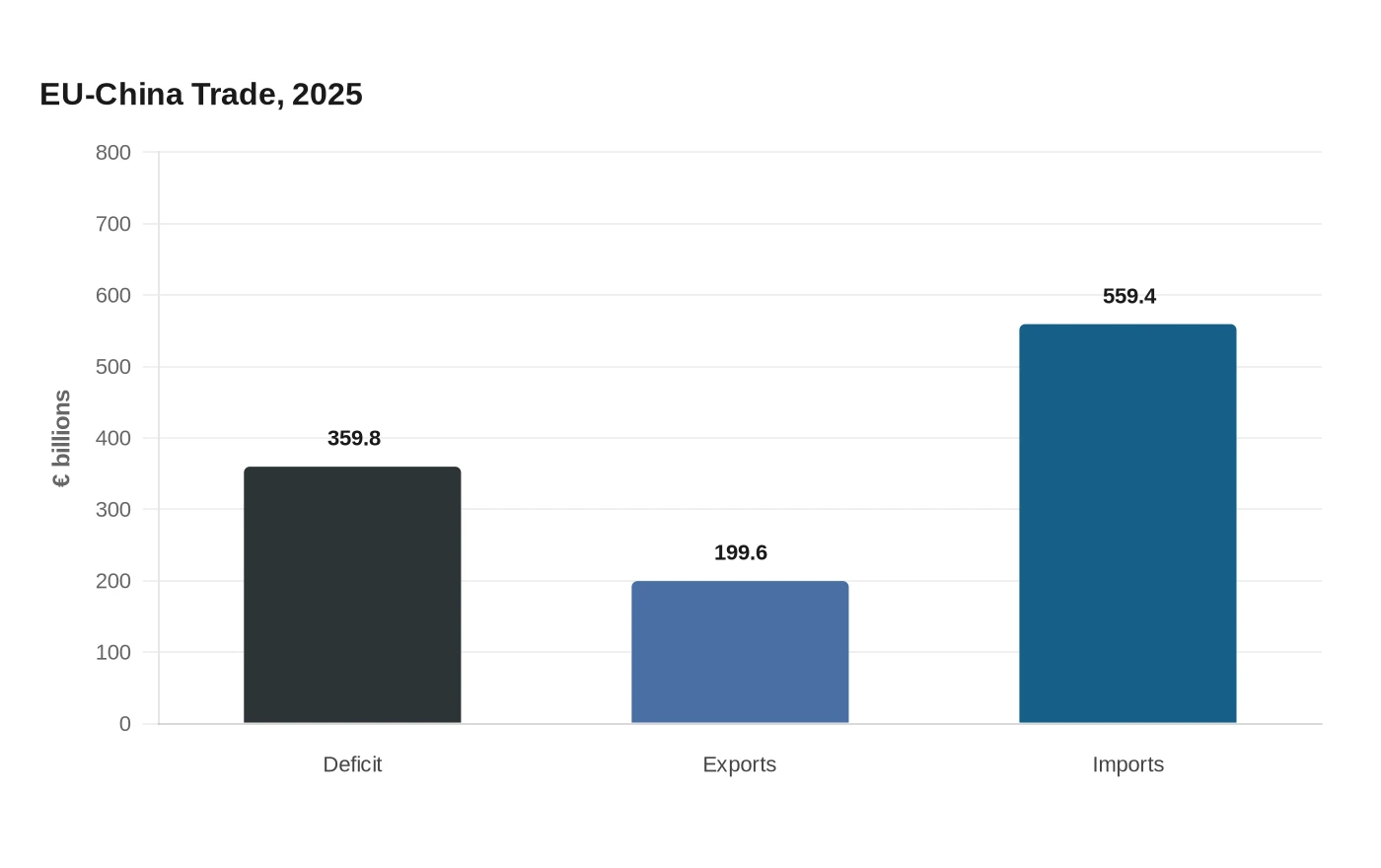
Eurostat said the EU’s goods trade deficit with China reached €359.8 billion in 2025, after EU exports fell to €199.6 billion and imports rose to €559.4 billion. The gap widened as exports were 6.5% lower and imports 6.4% higher than in 2024. Eurostat also said the first quarter of 2026 brought the highest EU goods deficit with China since the third quarter of 2022, a sign that the pressure has not eased.
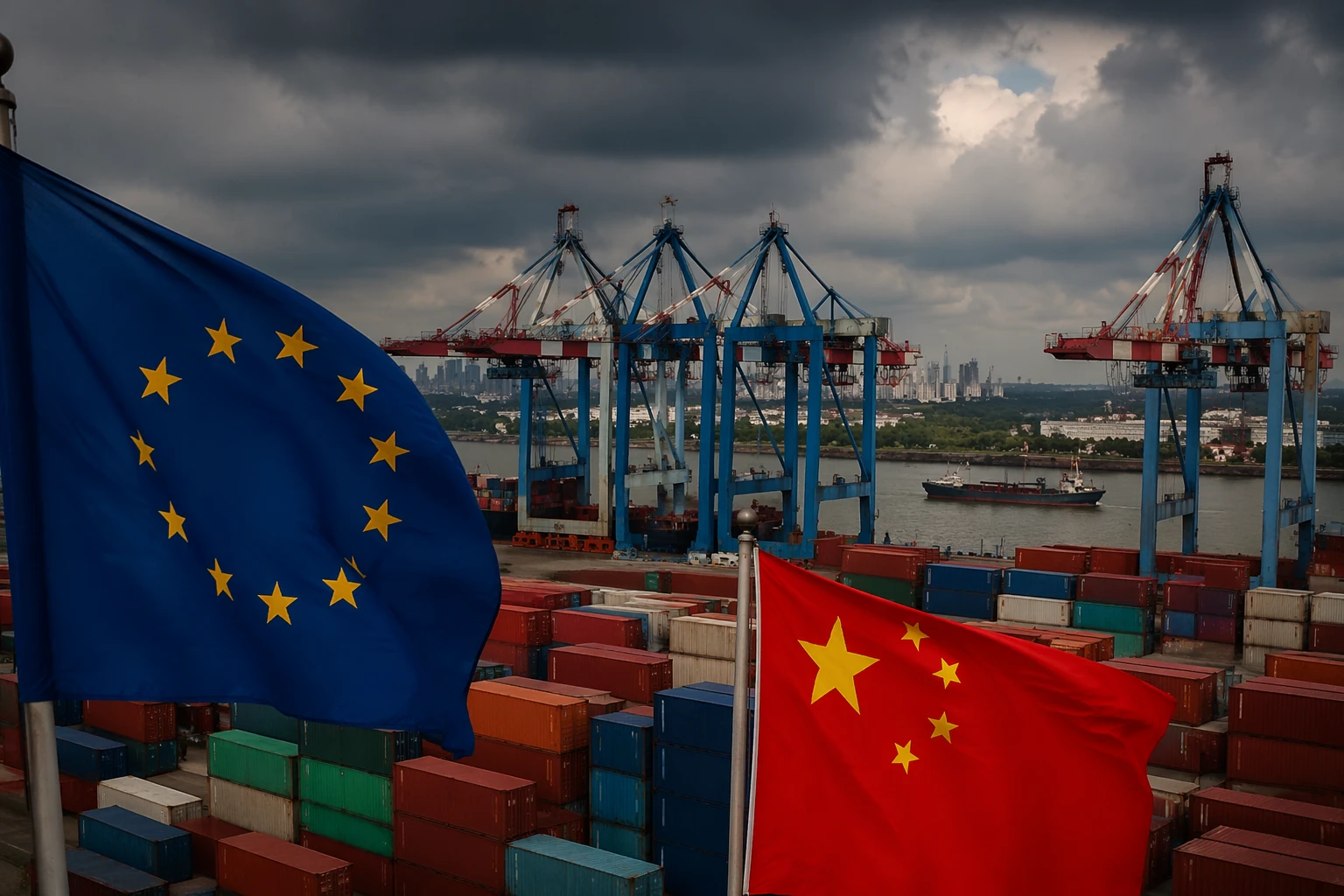
The concern in Brussels is not limited to consumer goods or cheap imports. It reaches into Europe’s industrial base, where rare earths and other processed minerals are essential for motors, batteries, wind turbines and defense-related manufacturing. The European Parliament Research Service said China imposed two waves of rare-earth export controls in April and October 2025, with the second wave suspended until November 2026. The European Central Bank has said China dominates the global rare-earth market, producing 95% of the world’s supply, and that the euro area depends on both direct imports from China and indirect supply routed through third countries.
That dependency has sharpened the political debate over how hard the European Union should push back. At the European Council meeting on June 18-19, leaders discussed competitiveness and global economic challenges alongside other agenda items, with summit conclusions serving as the mechanism for setting priorities and deadlines for action. The European Commission’s orientation debate on EU-China relations on May 29 reaffirmed its stance as “de-risking, not decoupling,” signaling that Brussels wants to reduce exposure without severing ties. Ursula von der Leyen has argued that engagement and dialogue will continue while Europe defends its interests.
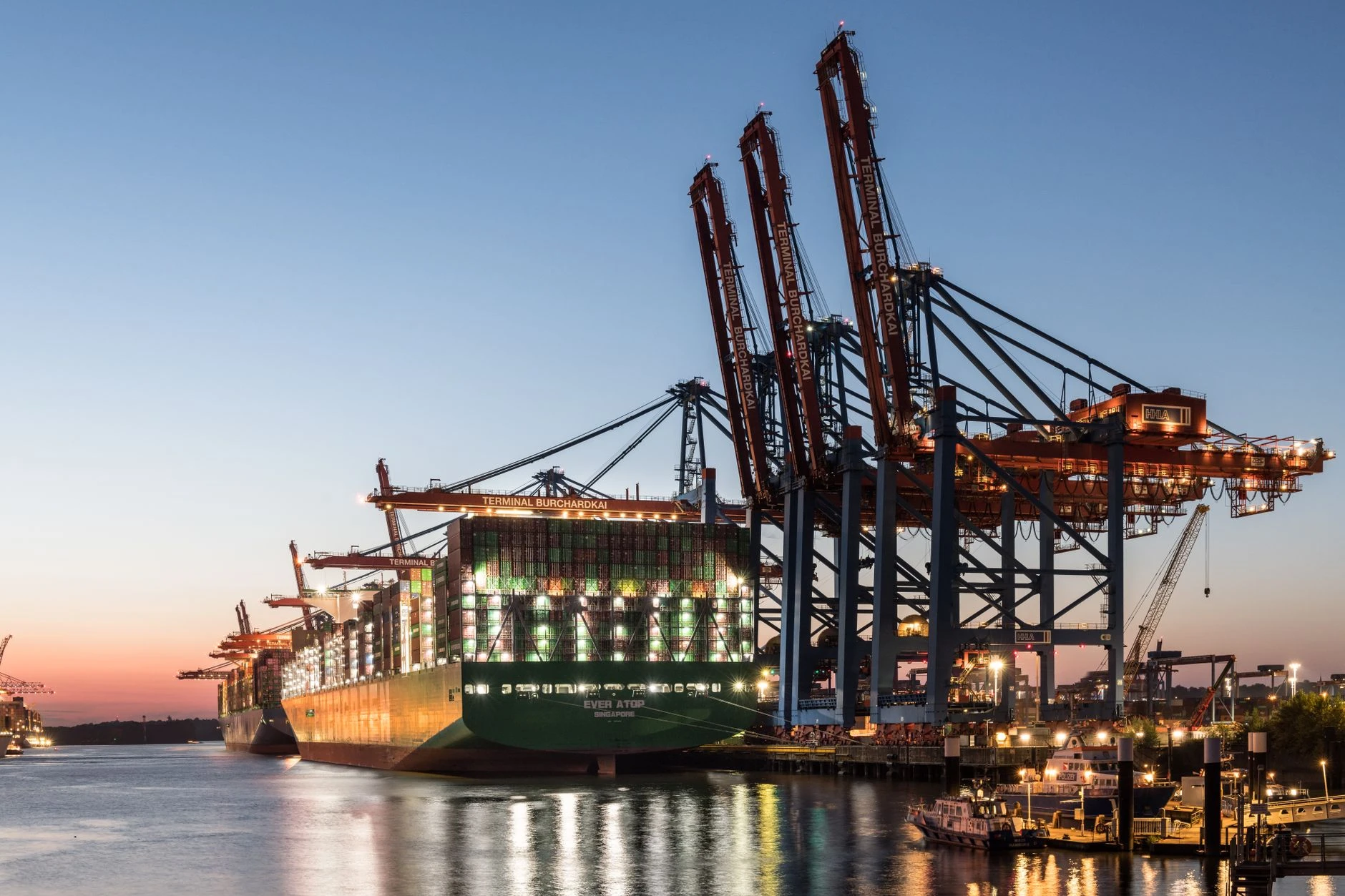
The challenge is that member states do not share the same tolerance for confrontation. France has pushed for a tougher line, while Germany and Spain have been more cautious, reflecting different industrial exposures and political calculations. Luxembourg’s prime minister backed dialogue with Beijing but said trade must be fair and not a one-way street.
The Commission has also tried to widen Europe’s options by pursuing mineral partnerships and free-trade deals with countries such as Australia, India and Indonesia. For now, the bloc is moving from warning to action. Whether that means tougher trade tools, more diplomacy or both will determine not just Europe’s leverage over China, but the cost of protecting the continent’s economic security.