Business
Europe braces for a China Shock as exports flood new markets

China’s export machine has not been broken by U.S. tariffs and sanctions. It has been rerouted, with more Chinese goods now flowing into Europe and Asia, and the result is a fresh round of industrial strain on allies rather than a clean halt to Beijing’s manufacturing power.
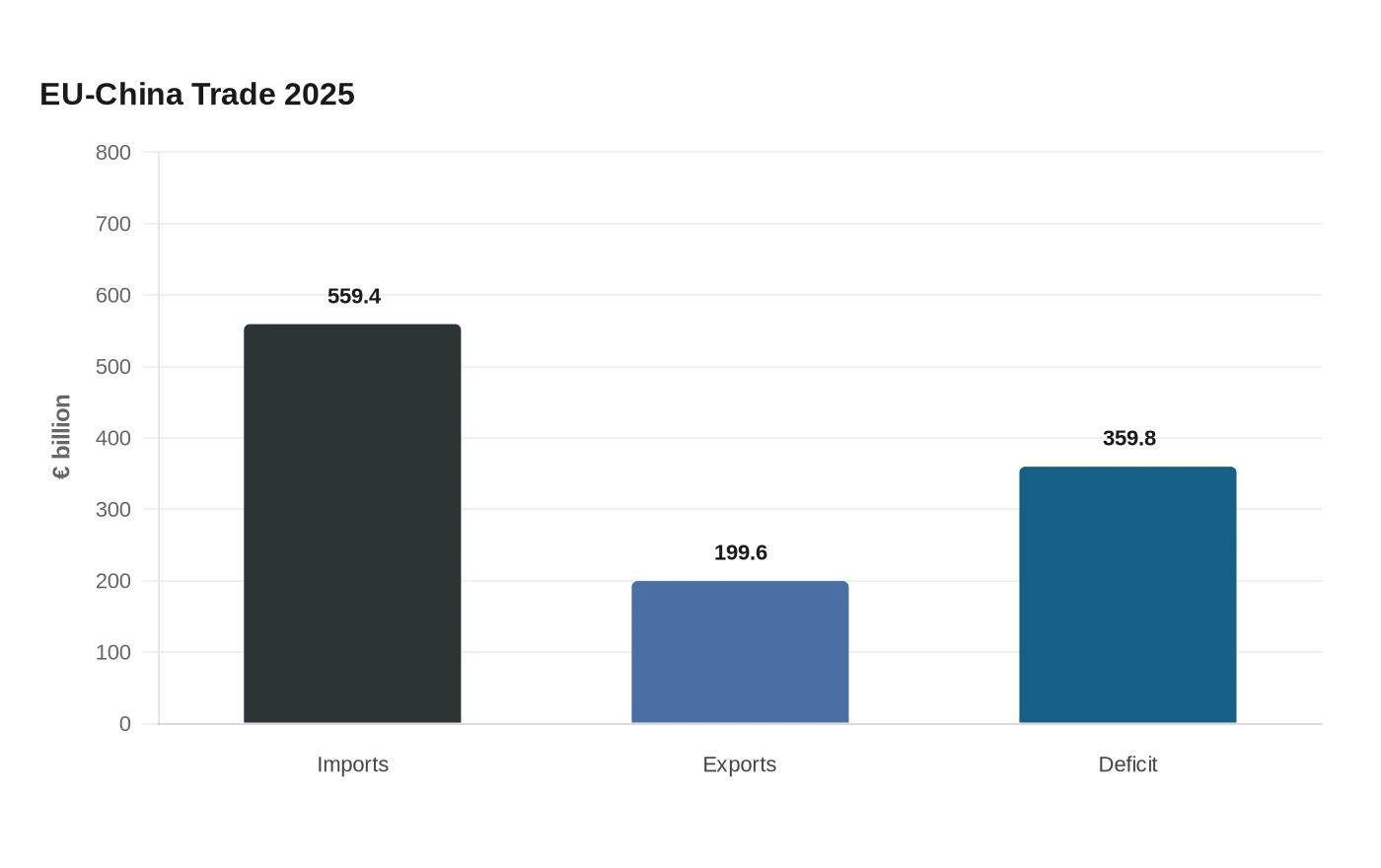
The scale is already visible in the numbers. Eurostat said EU imports from China rose to €559.4 billion in 2025, up 6.4% from 2024, while EU exports to China fell 6.5% to €199.6 billion. That left the bloc with a €359.8 billion goods deficit, and the shortfall widened again in the first quarter of 2026 to €98 billion, the highest level since the third quarter of 2022. For Europe, the risk is a China shock that has not disappeared, only moved.
That alarm hung over the G7 summit in Evian-les-Bains, where leaders met from June 15 to June 17 and tried to confront widening global imbalances. The final statement said addressing “increasingly wider and persistent macroeconomic imbalances” was of common interest for surplus and deficit economies, a line that clearly pointed toward Beijing even though China was not named. French President Emmanuel Macron has been blunter, warning that Chinese exports are “literally killing a large part of the European industry.”

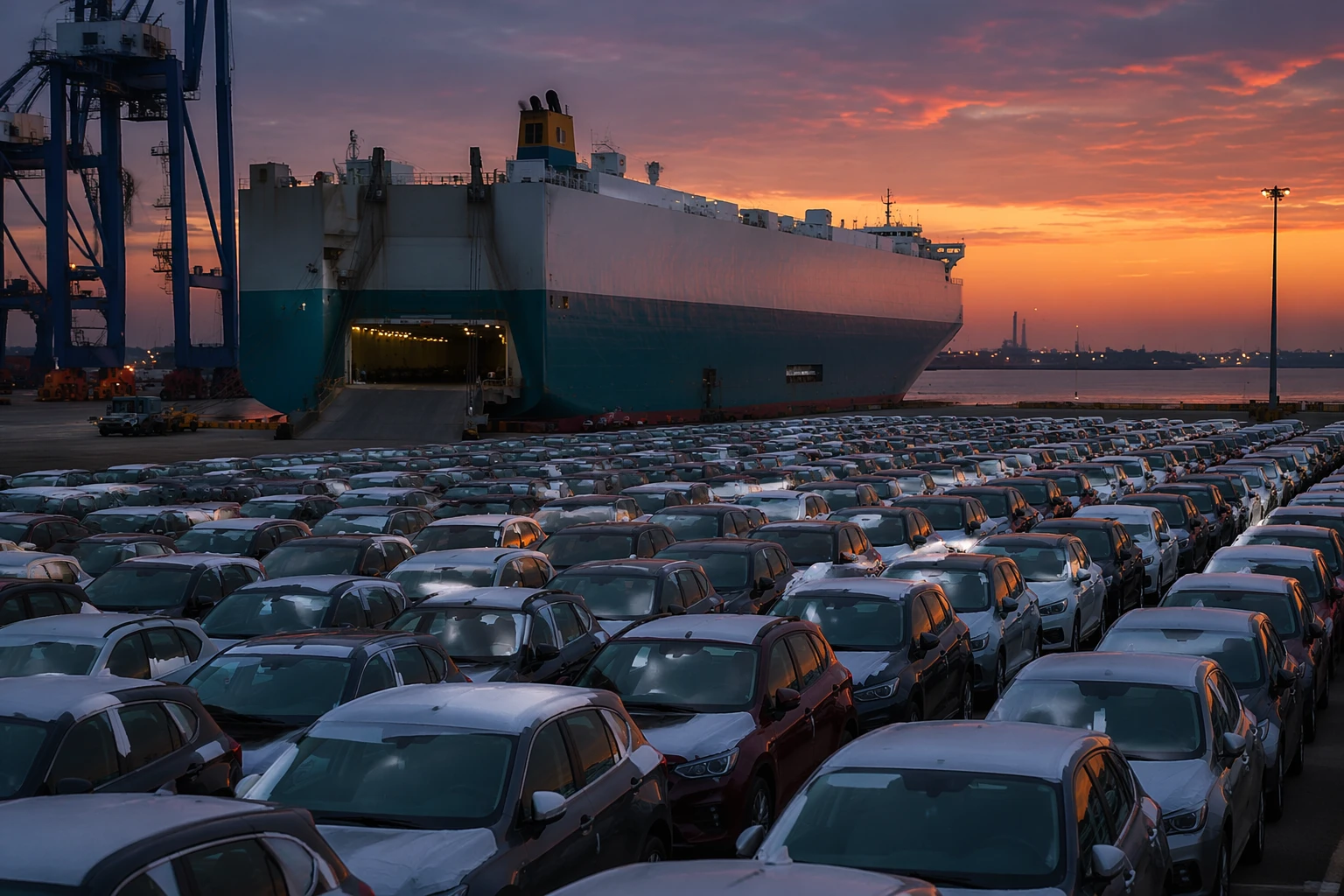
Brussels has already responded in the most visible sector under pressure: electric vehicles. The European Commission imposed provisional countervailing duties on Chinese battery electric vehicles on July 4, 2024, then said on October 4, 2024, that EU member states backed definitive tariffs. Reporting on the package said the final duties can reach as high as 45% for five years. But the broader challenge stretches far beyond cars.
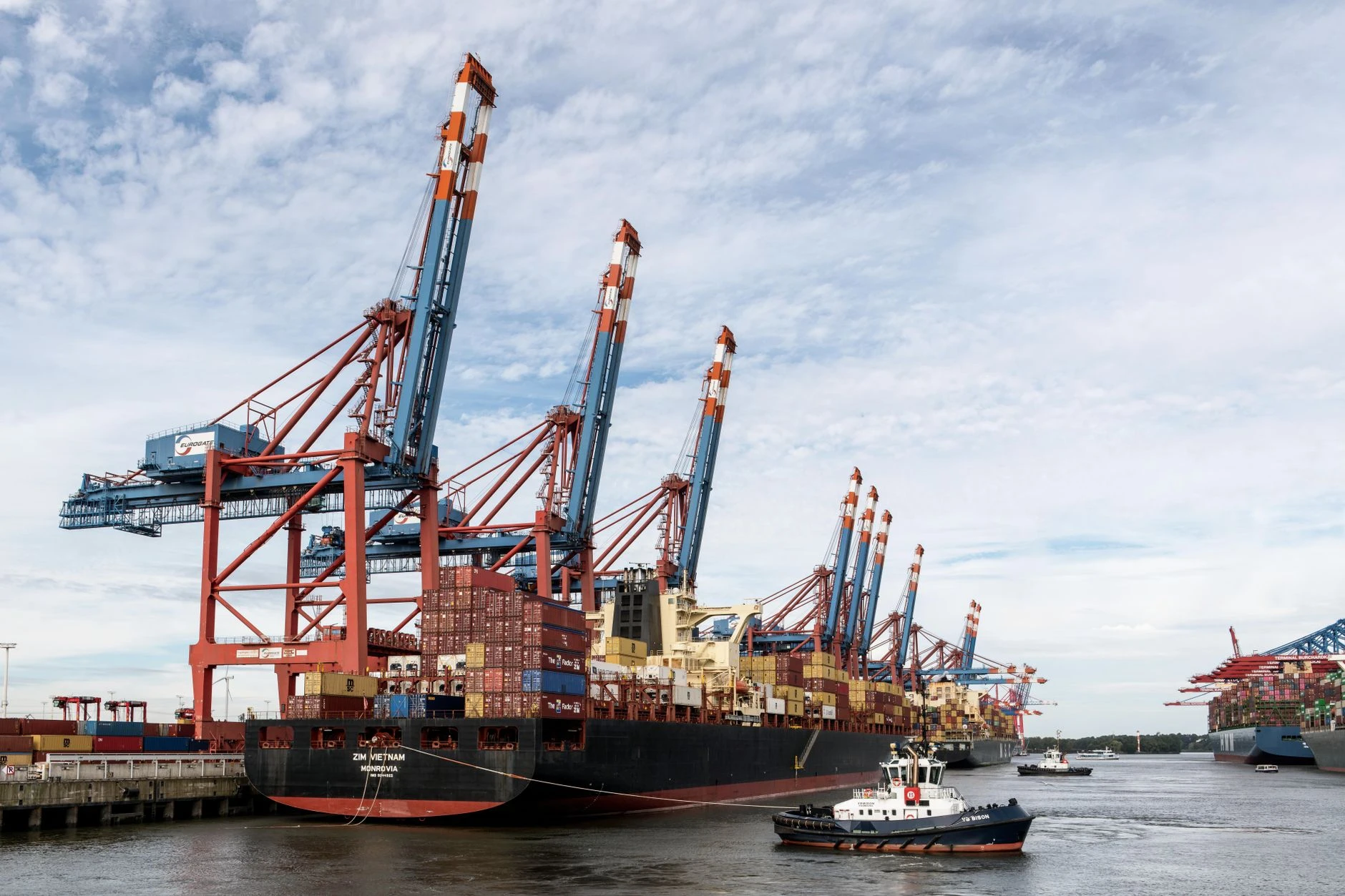
A 2026 European Parliament study said overcapacity, particularly from China, is perceived as a threat to European manufacturers, distorting competition and straining bilateral trade. The study said six Chinese sectors with rising export-to-revenue ratios account for much of the increase in exports to the EU. That suggests the pressure is not a one-off trade dispute but a structural problem, with excess Chinese capacity searching for markets after meeting a more formidable tariff wall in the United States.
Economists warn that if China does not rein in its export surge, protectionist pressure could spread. The International Monetary Fund said in an April 2026 paper on global imbalances that durable rebalancing requires simultaneous domestic policy action across surplus and deficit economies. Peterson Institute economists have gone further, arguing China’s surplus is likely to grow considerably and push down surpluses in Europe and the rest of Asia. If energy markets stay unsettled by the Iran war and global growth slows, the political appetite for more barriers could rise again, turning Europe into the next front in the fight over Chinese overcapacity.
Sources
- [1]usnews.com
- [2]ec.europa.eu
- [3]europarl.europa.eu
- [4]imf.org
- [5]piie.com
- [6]consilium.europa.eu
- [7]apnews.com