Sports
Europe dominates World Cup quarter-finals, but history favors the Americas
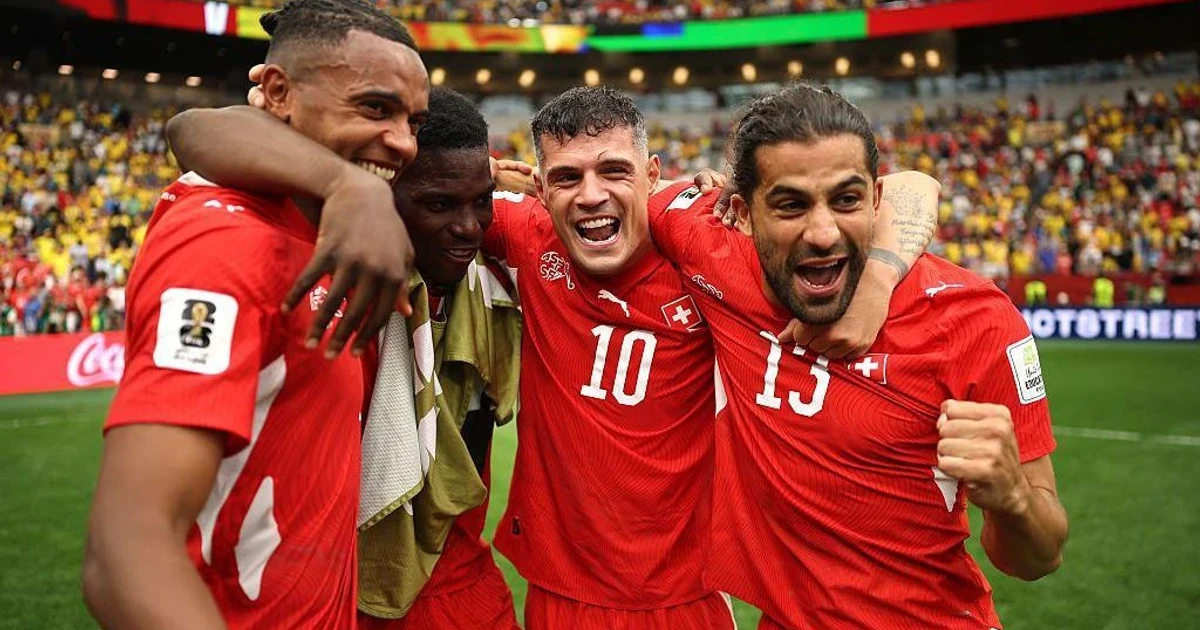
Europe has put six teams into the World Cup quarter-finals in North America, but the title history behind the bracket points somewhere else. The last eight are France, Morocco, Spain, Belgium, Norway, England, Argentina and Switzerland, and all four quarter-finals will be played in the United States from 9-11 July. The knockout picture is impressive for UEFA, yet the men’s World Cup has been staged since 1930 with only eight nations ever lifting the trophy, all of them from Europe or South America.
Europe owns the bracket
The 2026 tournament runs across Canada, Mexico and the United States from 11 June to 19 July, with 48 teams playing 104 matches in the biggest World Cup ever staged. FIFA said a record 1,248 players representing 48 nations were confirmed on 2 June 2026, a reminder of how much wider the field has become even as the final eight have narrowed to a familiar pattern. Europe’s six quarter-finalists, France, Spain, Belgium, Norway, England and Switzerland, make the region the clear numerical center of the tournament’s decisive week.
That concentration is not just a matter of one hot draw. It reflects how many European sides enter the World Cup with squads already shaped by dense qualifying cycles, familiar tactical structures and repeated exposure to high-pressure matches before the finals even begin. When six of the last eight come from the same confederation in a tournament held in North America, the result looks less like a surprise than the latest expression of Europe’s structural depth.
The qualifying machine behind the numbers
UEFA’s review of World Cup qualifying sharpens that point. It says 12 of Europe’s 16 places for 2026 were secured through the group stage before the play-offs decided the remaining berths, which means most of the continent’s places were earned without needing the extra volatility of a knockout path. That kind of depth matters because it keeps multiple teams in contention while also forcing them through a long test of consistency before they arrive at the finals.
The European quarter-final lineup also shows how broad that pool has become. France, Spain and England arrived as established powers, while Belgium, Switzerland and Norway add evidence that the continent’s reach extends beyond the usual heavyweight names. In practical terms, that gives Europe more ways to survive a group stage, more ways to recover from a setback and more chances to arrive in the knockout rounds with competition-tested squads.
History still belongs to two continents
For all of Europe’s current numbers, the World Cup’s championship record remains tightly controlled. FIFA’s history pages show the tournament has been held from 1930 through 2026, with the 1942 and 1946 editions missing because of World War II. In every completed edition, only eight nations have ever won the men’s World Cup: Uruguay, Italy, Brazil, England, Argentina, Germany, France and Spain.
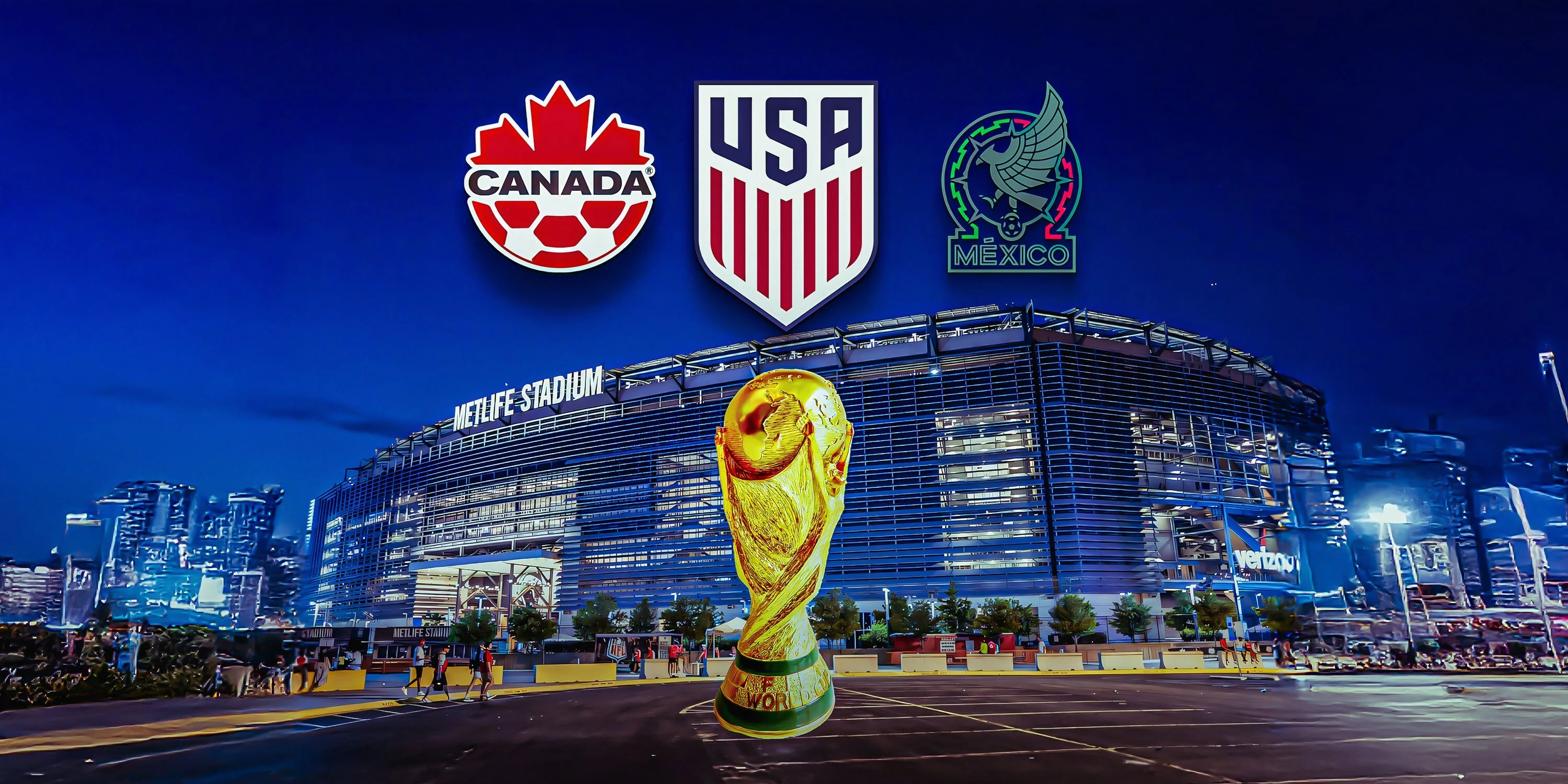
That record is the reason the current European surge must be read carefully. The title roll has always been split between Europe and South America, and the setting of the tournament has often mattered. Germany’s win in Brazil in 2014 remains the only European World Cup triumph in the Americas, while Spain’s 2010 victory in South Africa was the first European World Cup win outside Europe. Those two outcomes show Europe can win away from home, but only rarely enough to make away titles the exception rather than the rule.
The EURO-to-World Cup leap is rare
FIFA also notes that only two sides have won the World Cup immediately after winning the UEFA European Championship: West Germany and Spain. That is the clearest warning against assuming that a strong European cycle automatically converts into a world title. Vicente del Bosque’s Spain broke through in 2010 after its European crown, while West Germany set the earlier standard. Beyond those cases, the bridge from continental dominance to global supremacy has been difficult to cross.
That is why Spain’s place in the 2026 quarter-finals carries more historical weight than a single result. Luis de la Fuente’s side sits in a lineage that has produced a European title and then, in only two cases, a World Cup title soon after. The precedent is real, but so is the gap between appearing strong in Europe and finishing first in a World Cup staged far from Europe.
What the quarter-finals are really testing
The bracket now splits along continental lines that tell two different stories. Argentina keeps South America in the chase, while Walid Regragui’s Morocco is the lone African presence in the last eight. Europe has the numbers, but the Americas still shape the title record, and the next four matches in the United States will decide whether this European cluster becomes a title-winning run or another chapter in a longer pattern of near-misses outside the continent.
The final is set for New York New Jersey Stadium on 19 July, the last of the tournament’s 104 matches. By then, the quarter-finals will have answered the immediate question of who survives this European-heavy bracket. The larger question will remain the same one FIFA’s history pages keep posing from 1930 to 2026: whether Europe’s depth can finally rewrite the old title map, or whether the World Cup’s biggest prizes will continue to favor the Americas when the knockout rounds get tight.