US News
Europe Freezes U.S. Trade Deal as Tensions Flare Over Trump’s Greenland Tariff Threat
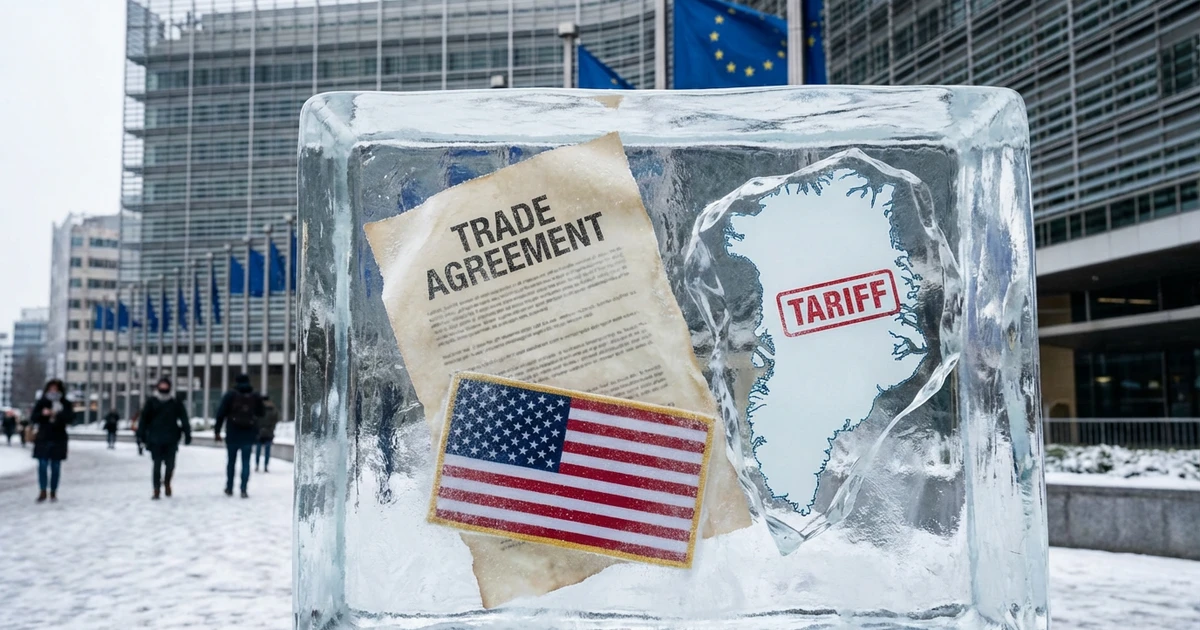
The European Union’s decision to halt approval of a major trade deal with the United States has sent shockwaves through global markets, as diplomatic tensions escalated following President Trump’s threats to impose tariffs over Greenland.
Trade Talks Stalled Amid Tariff Threats
On January 21, 2026, both NBC News and Forbes reported that the European Union (E.U.) halted approval of a long-negotiated trade agreement with the United States. This move followed public statements from President Trump threatening to impose new tariffs on European imports in response to disputes involving Greenland.
- The trade deal, negotiated over several years, was expected to bolster economic ties and reduce tariffs on a wide array of goods.
- President Trump’s tariff threats were reportedly tied to disagreements over Greenland, a territory with strategic importance and historic ties to Europe.
Greenland: The Flashpoint
Greenland emerged as an unexpected point of contention in U.S.-E.U. relations. Previous U.S. interest in the territory due to its mineral resources and strategic location had already caused friction in diplomatic circles. The new escalation came when Trump threatened to retaliate with tariffs if European leaders blocked American interests in Greenland.
While details of the specific tariffs threatened were not disclosed in the initial reports, the linkage of trade policy to territorial disputes marked a significant shift in U.S.-E.U. negotiations.
Economic and Political Implications
The freeze on the trade deal has immediate implications for businesses and consumers on both sides of the Atlantic:
- Businesses anticipating reduced tariffs and expanded market access must now contend with continued trade barriers.
- European officials have signaled their unwillingness to proceed with the deal until the tariff threats are rescinded.
- This standoff highlights growing protectionist sentiments and the increasing use of economic tools in geopolitical disputes.
Reactions and Next Steps
While both NBC News and Forbes agree on the E.U.’s decision to halt the deal, neither source provided official statements from E.U. leaders or President Trump at the time of publication. However, the consensus among analysts is that the freeze could be prolonged if neither side backs down from their respective positions.
European policymakers have previously emphasized the importance of stable relations with the U.S., but the Greenland dispute appears to have crossed a red line, prompting a strong response.
Analysis: What This Means for Transatlantic Relations
The suspension of the trade agreement is more than just a setback for economic cooperation—it signals broader challenges in U.S.-E.U. relations during a period of global uncertainty. By tying trade policy to territorial and strategic disputes, both sides risk entrenching divisions that could spill over into other areas of cooperation, from climate policy to security alliances.
With the deal on hold, attention now turns to diplomatic channels. Whether the U.S. will moderate its stance on Greenland-related tariffs, and whether the E.U. will reconsider its freeze, remains to be seen. For now, transatlantic trade hangs in the balance.