Business
Europe struggles to curb China trade ties amid air conditioner surge
An historic heat wave drove unprecedented demand for Chinese-made air conditioners across Europe just as Brussels pressed Beijing over a trade imbalance that has climbed to about €360 billion. The clash has put a fresh spotlight on Europe’s dependence on Chinese manufacturing even as officials talk tougher on trade.
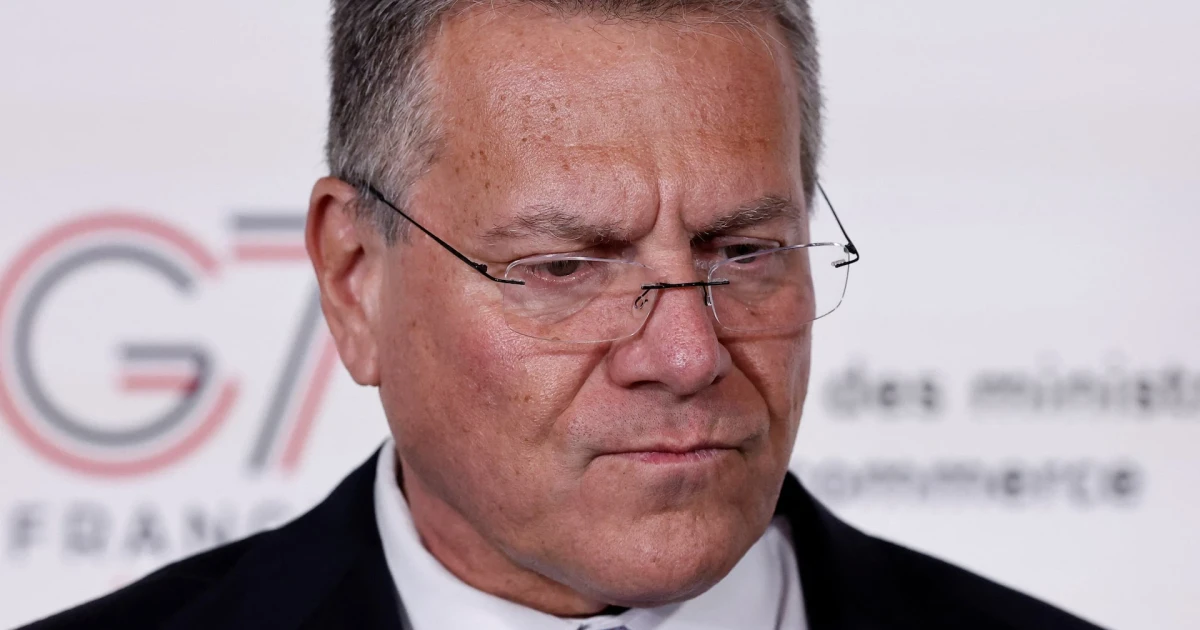
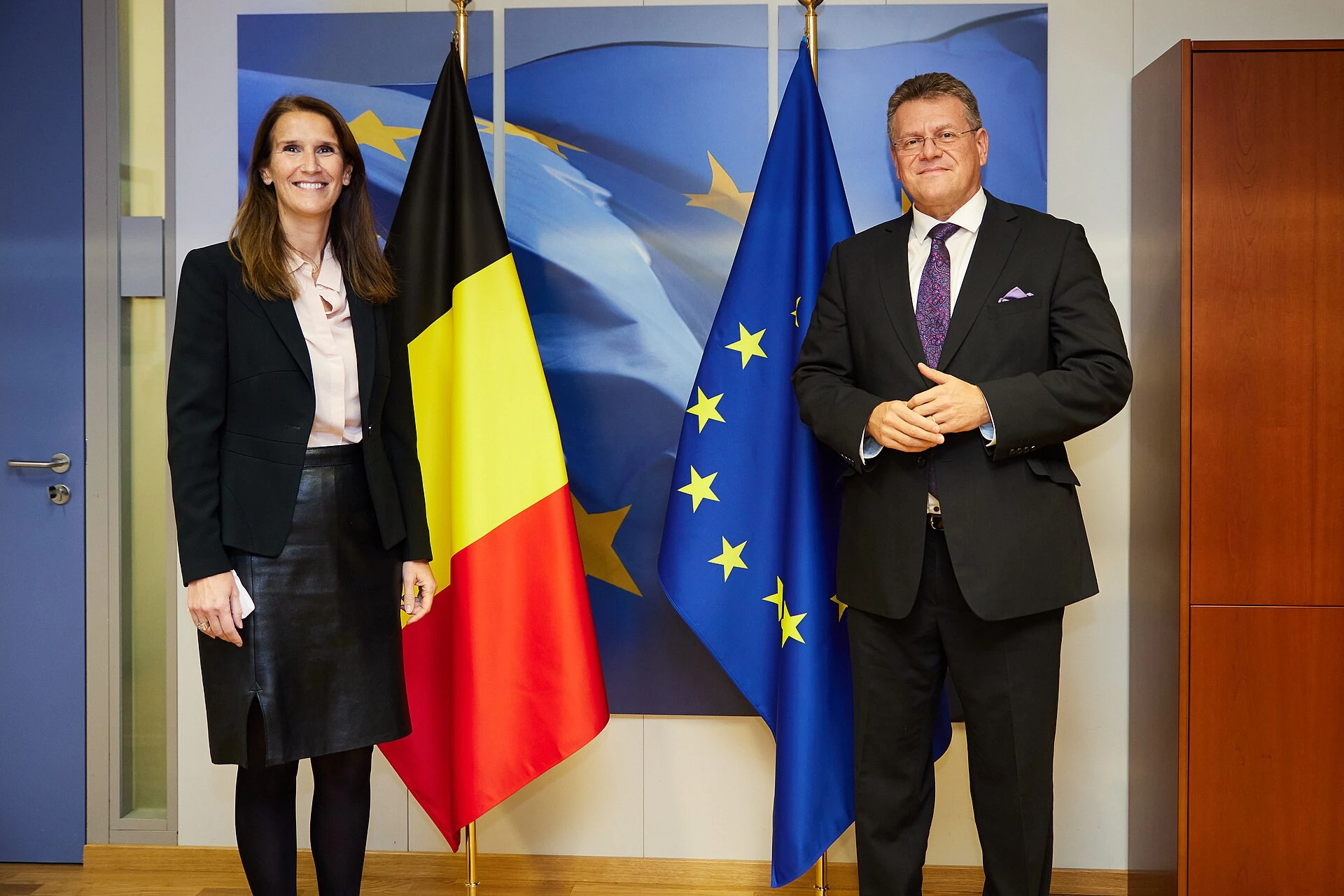
EU trade chief Maroš Šefčovič met China’s commerce minister Wang Wentao in Brussels on June 29 and set October as the deadline for tangible results. A day later, the European Union and China issued a rare joint statement aimed at balancing trade and addressing market-access barriers, a sign that both sides want to keep negotiations moving despite growing friction.
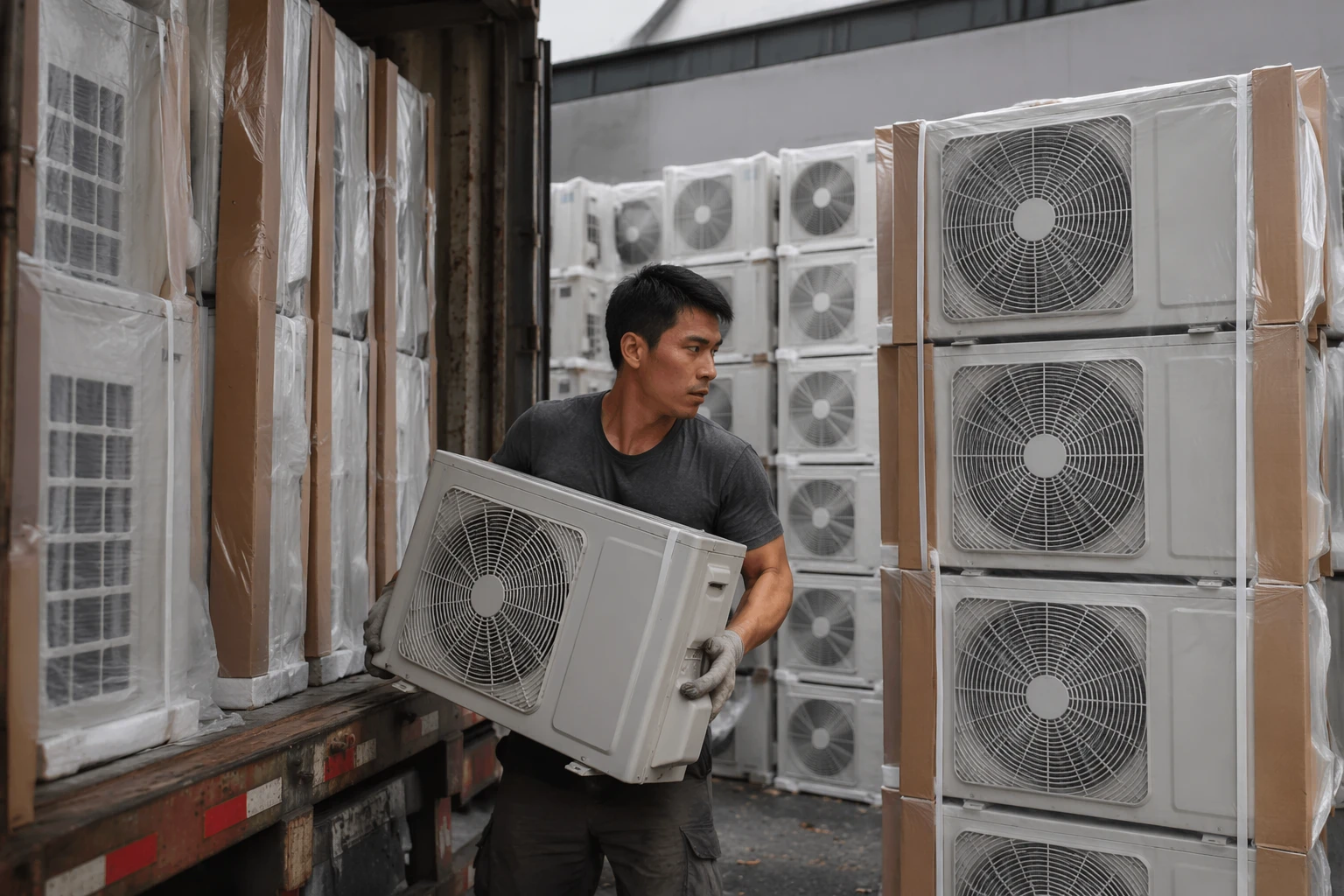
The cooling boom shows why the relationship is so hard to unwind. Only about 20% of European homes have air conditioning, compared with about 90% in the United States, so demand can spike quickly when temperatures soar. Asian makers are already benefiting, including China’s Midea, South Korea’s Samsung Electronics and Japan’s Mitsubishi Electric, with Midea’s PortaSplit unit, designed for the German market, reportedly selling 100,000 units.
The policy pressure is building at the same time. Ursula von der Leyen said in June that the EU’s goods trade deficit with China had reached about €360 billion and warned that 2025 would be the first year all EU member states recorded a deficit with China. That warning has sharpened debate inside Brussels over whether Europe can keep its market open while China continues to dominate in price-sensitive sectors such as cooling equipment.
That tension runs through the wider trade talks now under way. European officials have been weighing stronger trade defenses in response to a surge of Chinese exports, while also seeking deeper negotiations to address what many in Brussels see as an unsustainable imbalance. The current three-month window, which points to October, gives both sides time to test whether cooperation can produce more than another round of promises.
For Europe, the contradiction is immediate: it wants to de-risk from China, but hotter summers and energy stress are pushing consumers toward the cheapest available cooling technology, and many of those compressors, pumps and finished units still come from China. The result is a trade fight that is colliding with the physical reality of a warming continent.
Sources
- [1]news.google.com
- [2]cnbc.com
- [3]msn.com
- [4]france24.com
- [5]politico.eu
- [6]english.news.cn