World
Europe sweeps into record heatwave as France, Germany issue alerts
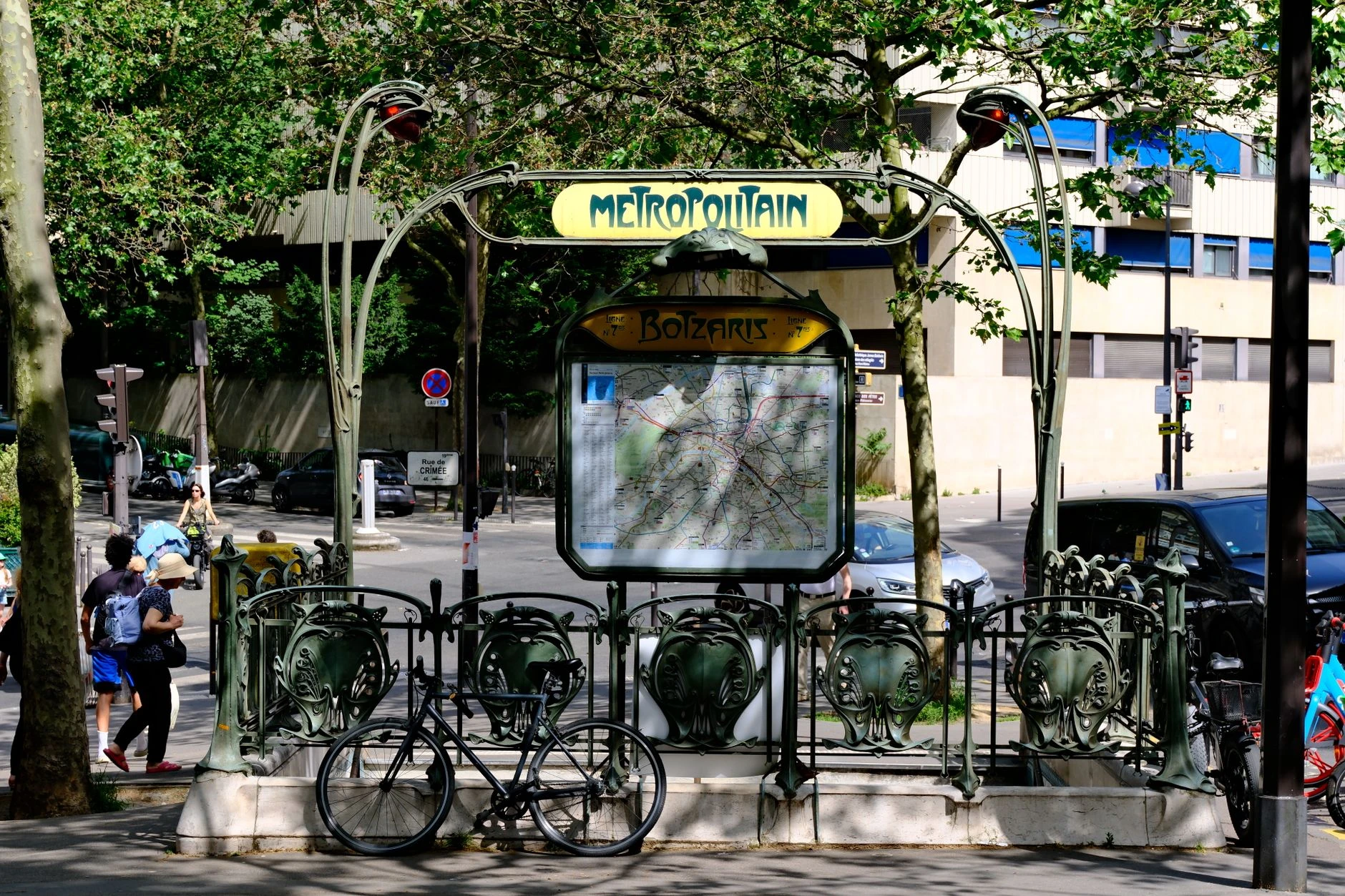
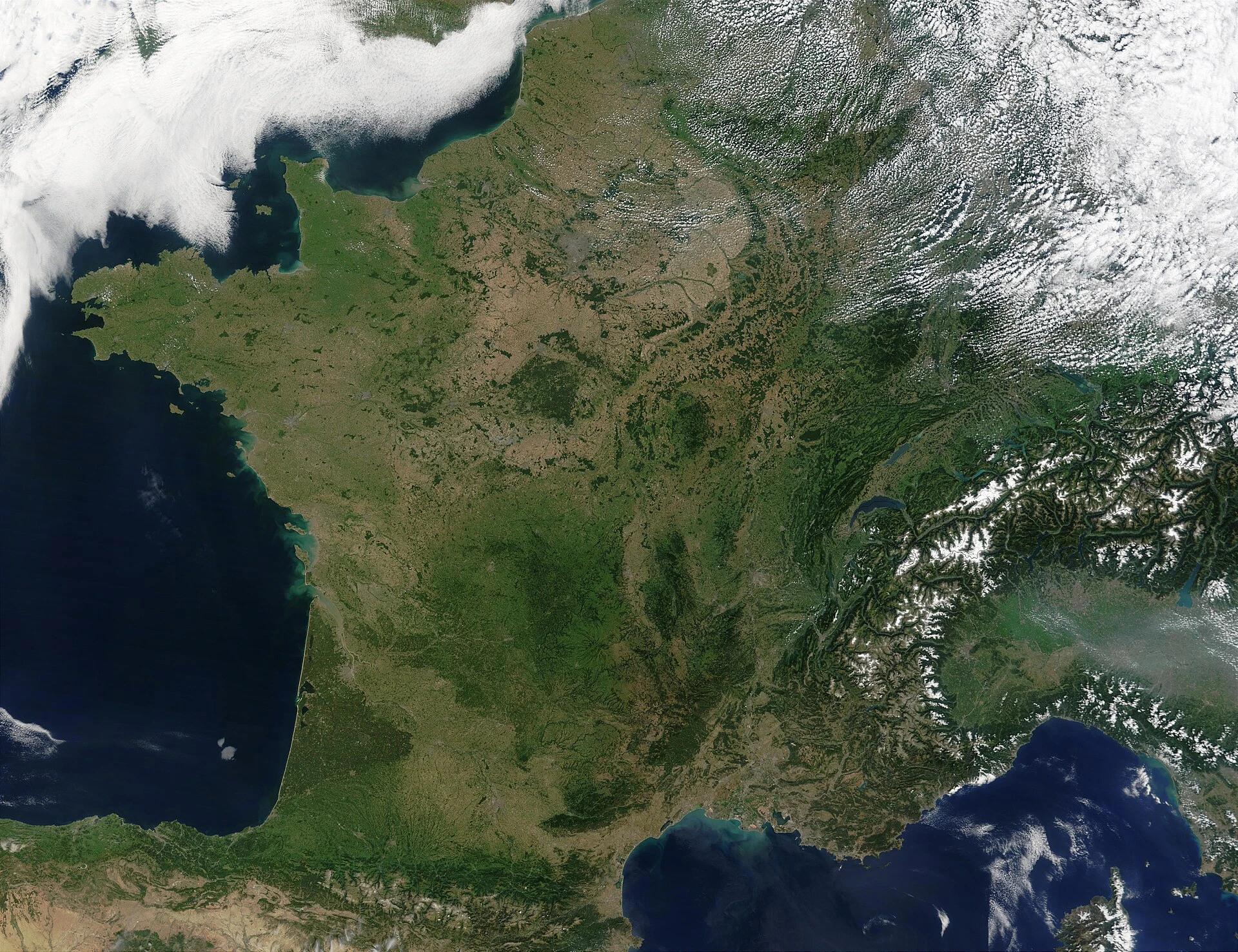
France and Germany were pushed into emergency mode as a punishing early-summer heatwave spread across Europe, with French authorities raising alerts in 60 departments and forecasters warning that some areas could climb to red status on Sunday. Temperatures were expected to reach 39C to 40C across a broad swath from southwestern France through Paris and Burgundy, with some places possibly hitting 41C, a level that could make parts of the country’s hottest June day on record.
Prime Minister Sebastien Lecornu was due to hold a crisis meeting as the heatwave was compared with the major French shocks of 2003 and 2019. Météo-France had already expanded its orange alert to 53 departments on June 18 before widening it further on June 20, a sign of how quickly the system was ratcheting up. Public-health officials warned that vulnerable groups faced particular risk, and France’s public-health agency had already tracked earlier June heat alerts as the country entered another stretch of extreme weather.

Paris tried to keep public life moving. The city was set to hold its annual Fête de la Musique celebrations on June 21, even as outdoor sports events were canceled in the capital and several French cities scaled back or scrapped music events because of the forecast. Paris also kept parks open around the clock to give residents a place to cool down, a small but telling example of how city governments were improvising as heat became a recurring civic problem rather than an exceptional event.
The economic stakes were just as clear. Bank of France Governor Emmanuel Moulin said the short-term effect on growth was ambiguous because heat raised energy use but reduced productivity, while warning that the longer-term impact would drag on economic activity. The episode also put a spotlight on the pressure facing transport, work schedules, power demand and city services as extreme heat increasingly collides with daily life.
Germany faced a near-nationwide alert as the German Meteorological Service warned the country could see its hottest day of the year, with temperatures approaching 38C and humidity raising the risk of severe thunderstorms. Those storms later injured several people and caused flash flooding in some areas, showing how heat can quickly spill into broader emergency conditions.
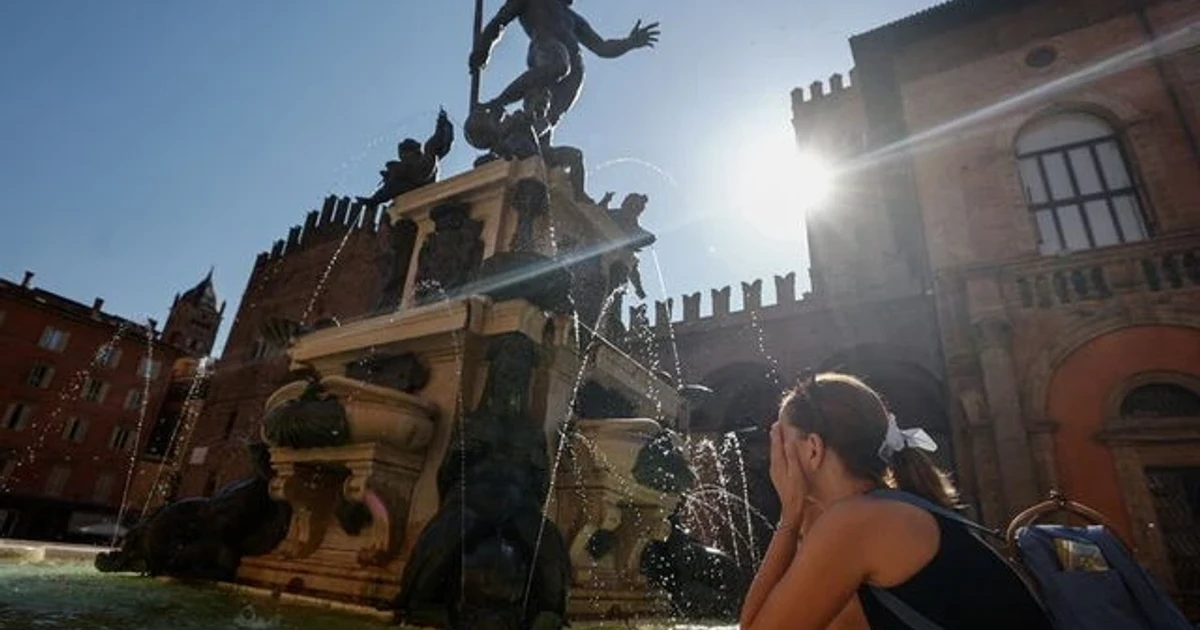
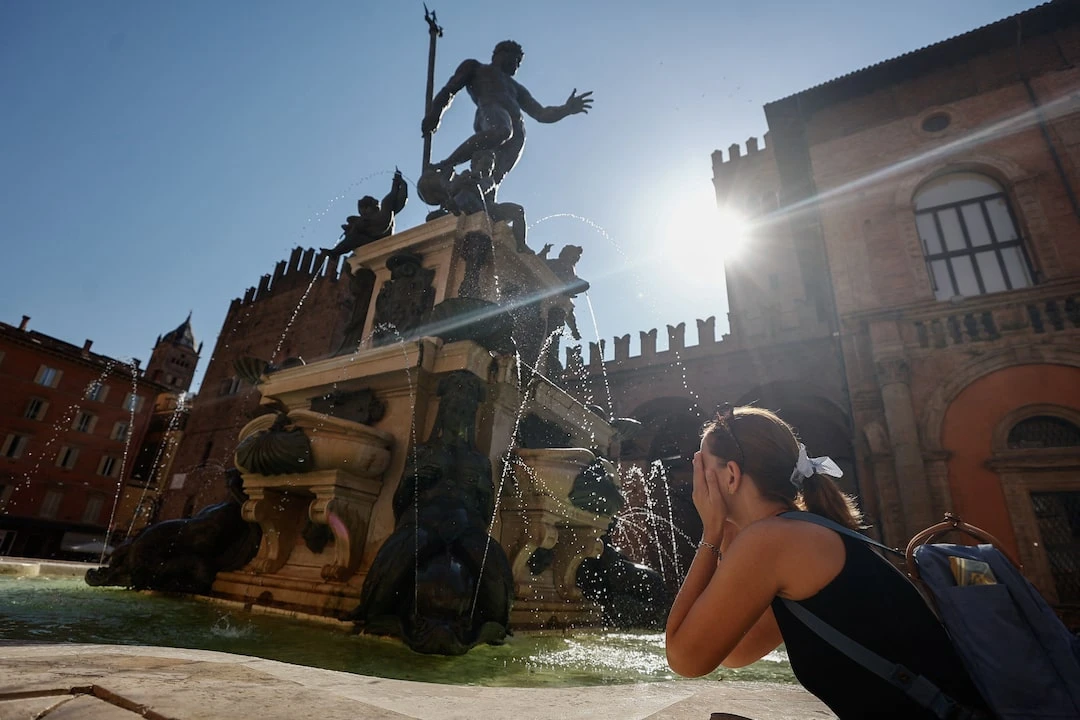
In Italy, the strain showed up in tourism and public space. Visitors queued outside the Colosseum and searched for cooler underground spaces beneath the Temple of Claudius in Rome, while people in Bologna splashed water on their faces at the Fountain of Neptune. Across the continent, the heatwave looked less like a one-off weather event than a stress test for wealthy democracies still learning how to live with recurring climate extremes.
Sources
- [1]usnews.com
- [2]msn.com
- [3]bernama.com
- [4]wifc.com
- [5]rfi.fr
- [6]reutersconnect.com
- [7]yahoo.com