World
Europe warms twice as fast as the global average
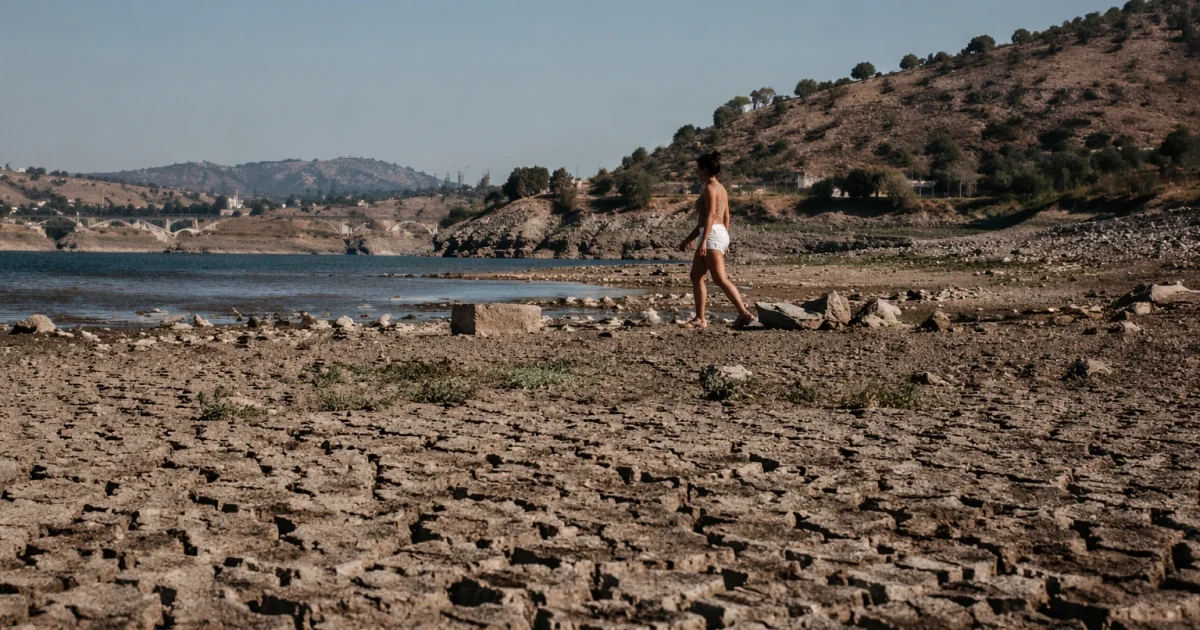
Europe is warming at a pace that is easy to measure and hard to absorb. Copernicus puts the continent about 2.5C above pre-industrial levels, with warming since the 1980s running at roughly twice the global average, and the fastest gains concentrated in eastern and central Europe and the European Arctic. That pace matters because it is not just a number on a chart: it is the climate pressure behind hotter summers, more destructive floods, strained farms, and a power system that is being forced to adapt in real time.
Why Europe heats up faster
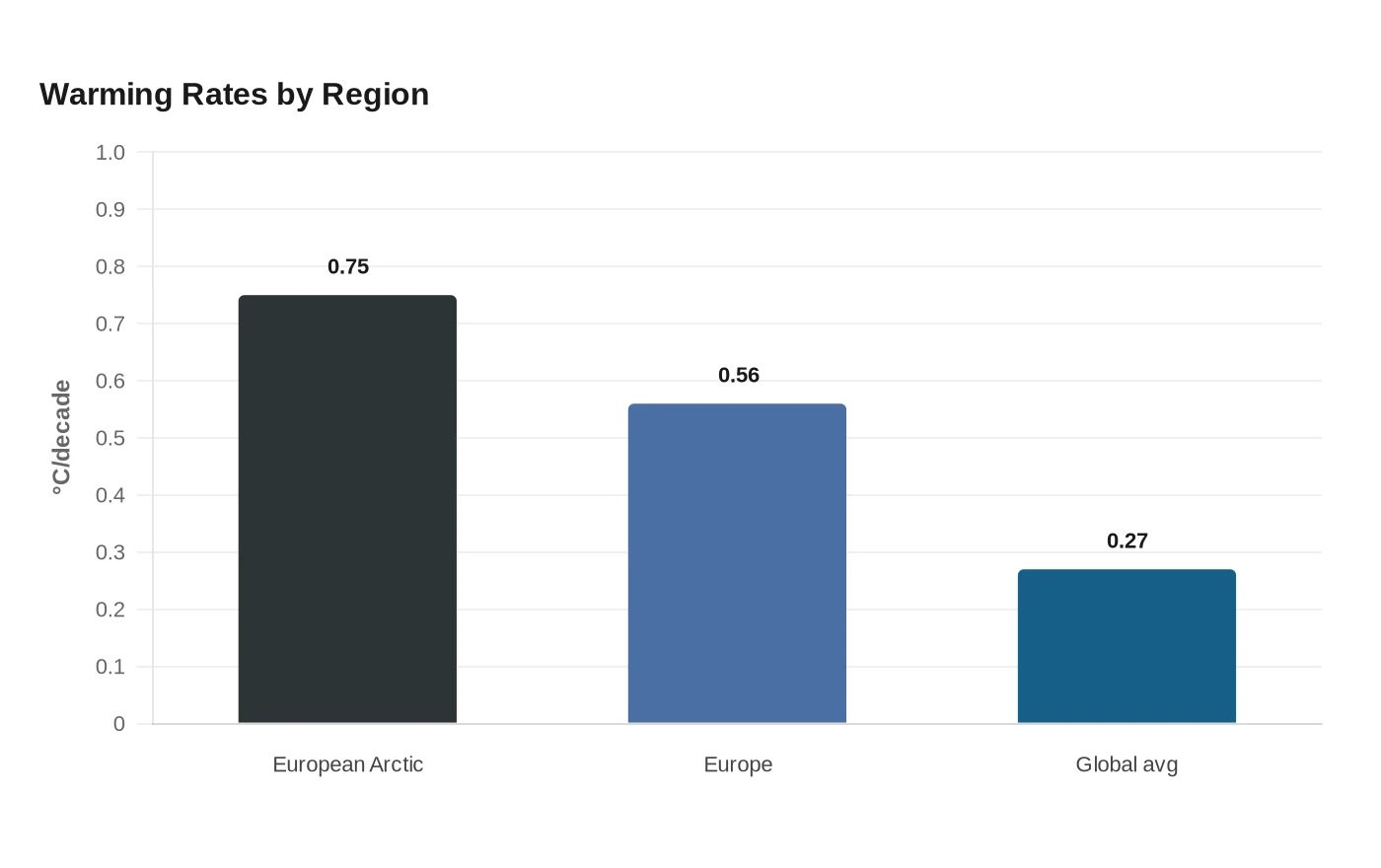
The imbalance starts with geography. Copernicus says land warms faster than ocean, and Europe has a large share of land at high latitudes, including territory that reaches into the Arctic, where warming is running at about 0.75C per decade since the mid-1990s. Europe as a whole is warming at about 0.56C per decade over that same period, versus a global average of about 0.27C per decade over the past 30 years.
Several local drivers amplify that trend. Copernicus points to changing weather patterns, increasing solar radiation, reduced air pollution, decreasing snow cover, and geography itself. Each one pushes heat retention upward: less snow means less sunlight reflected back to space, cleaner air can reduce the cooling effect of aerosol pollution, and altered circulation patterns can trap warm conditions over land for longer stretches. The result is a continent that is not just warmer, but warming unevenly, with the eastern and central parts of Europe often bearing the sharpest increases.
That unevenness is visible in the climate record. The European State of the Climate report, jointly produced by the Copernicus Climate Change Service and the World Meteorological Organization, is built on the work of around 100 scientists and provides a yearly snapshot of how those pressures are showing up in real weather. It has been tracking this pattern since the report was first introduced in 2018, and the latest findings show that the fastest-warming continent is also one of the most exposed to cascading impacts.
What 2024 showed in practice
The year 2024 was Europe’s warmest on record, and it fit the pattern exactly. Eastern Europe was extremely dry and often record warm, while western Europe was warm but wet, a contrast that captures how a hotter atmosphere can intensify both drought and flood risk at the same time. Europe also saw the most widespread flooding since 2013, along with severe storms that killed at least 335 people and affected an estimated 413,000 more.
Heat stress reached new extremes as well. The continent recorded the second-highest number of heat stress days and tropical nights on record, conditions that matter because they keep buildings, streets, and bodies from cooling overnight. The annual average sea-surface temperature for the European region and the Mediterranean Sea was also the highest on record, adding marine heat to the list of stresses on ecosystems and coastal economies.
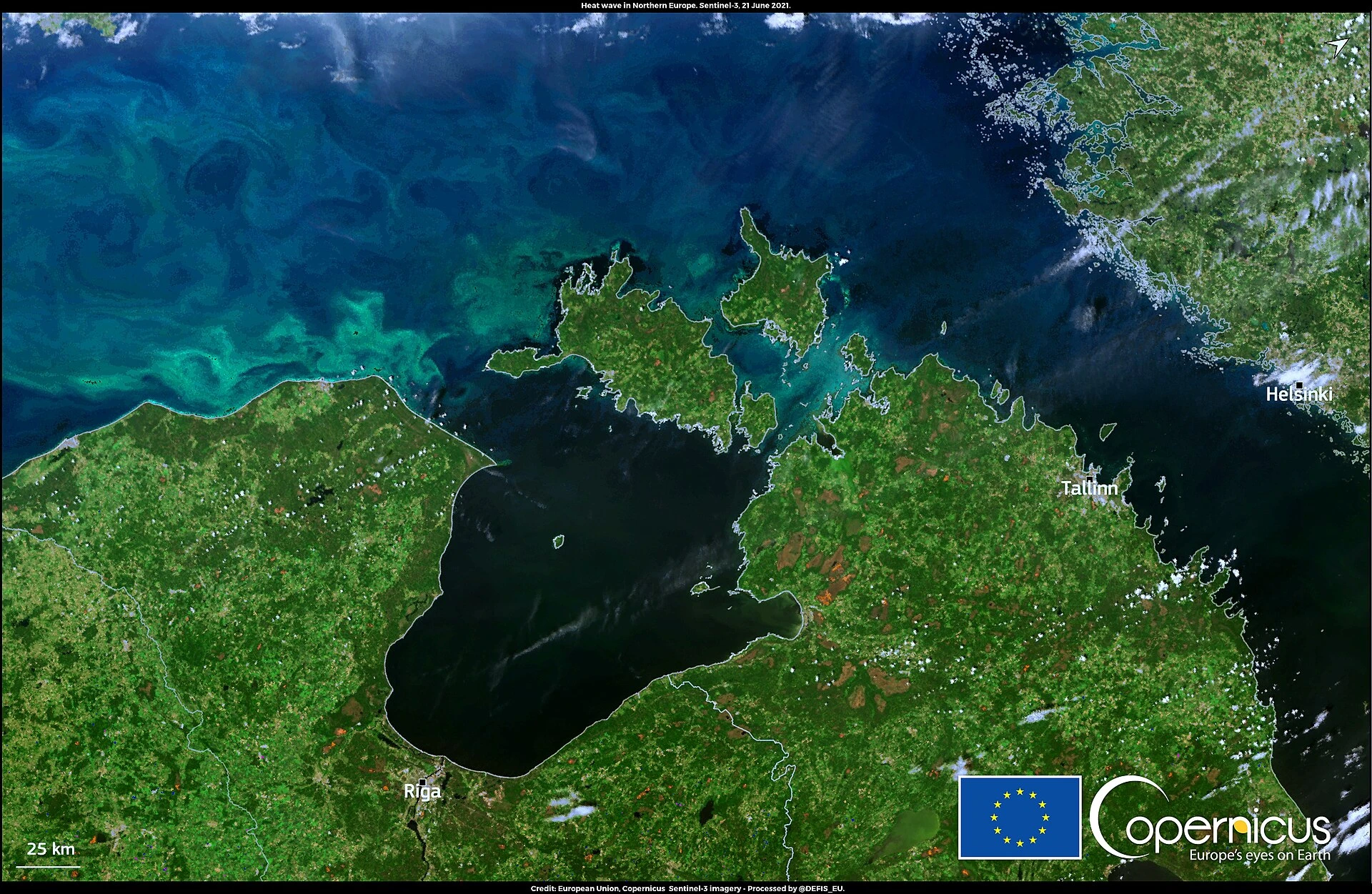
Globally, 2024 was the warmest year on record, and the last 10 years were the warmest ten years on record. The annual average sea-surface temperature over the non-polar ocean also reached a record high. Europe’s record year sits inside that broader planetary pattern, but the continental pace remains more severe than the global average, which is why the region is becoming a proving ground for climate adaptation.
Food systems under pressure
A hotter Europe changes what farmers can count on. The east-west split in 2024 laid out the problem clearly: extreme dryness in the east cuts soil moisture, stresses crops during key growth periods, and raises irrigation demand at the same time water becomes scarcer. In the west, warmer and wetter conditions create a different form of instability, from waterlogged fields to delayed planting and harvest windows.
The continent’s faster warming also interacts with the steady melt of glaciers in all European regions, which Copernicus says continues year after year. That loss is not only a mountain issue. It affects seasonal water storage, river flow timing, and downstream supply in places that depend on snow and ice melt to support agriculture in warmer months. As snow cover declines, the land loses one of its natural cooling and buffering systems, making extreme heat and dry spells more damaging.
Power grids and the energy transition
Europe’s climate stress is hitting the energy system at the same time the region is trying to decarbonize it. The European Commission says climate impacts are becoming increasingly costly for cities, and flood resilience has become a priority because water can disrupt substations, transport links, and urban services in a single event. Heat also raises electricity demand for cooling just as it makes power infrastructure work harder.
There is another side to the energy story. In 2024, renewables accounted for a record 45% of electricity generation in Europe, the largest share ever recorded. That is a sign of progress, but it also raises the stakes for climate-resilient grids, because renewable output still depends on weather, transmission capacity, storage, and system flexibility. Europe’s challenge is no longer whether to build a cleaner power system; it is how to build one that can withstand record heat, flooding, and drought simultaneously.
Public health in a hotter, wetter, riskier climate
Heat is now a public health issue across Europe, not just a seasonal inconvenience. More heat stress days and tropical nights leave less time for the body to recover, especially in cities where surfaces hold heat after sunset. Flooding carries its own health burden through injuries, displacement, contaminated water, and interrupted care, while prolonged dryness can worsen wildfire smoke exposure and strain local services even when the flames are far away.
The numbers from 2024 show why adaptation can no longer be treated as optional. Celeste Saulo, the World Meteorological Organization’s secretary-general, put the point plainly: “Every additional fraction of a degree matters” and “Adaptation is a must.” That warning fits Europe’s experience precisely, because the region is already living with the difference between 1 degree, 2 degrees, and beyond in the form of deadlier storms, hotter nights, and more costly recovery.
Why this matters beyond Europe
Europe’s faster warming is not a regional curiosity. It is a stress test for global planning, because it shows how climate change arrives unevenly and through multiple systems at once. Food markets, energy security, public health planning, flood defenses, and insurance all depend on climate assumptions that are now being overtaken by reality in one of the world’s richest and most interconnected regions.
For U.S. climate strategy, the lesson is straightforward: adaptation has to be built around regional extremes, not global averages. Europe’s 0.56C-per-decade pace since the mid-1990s, compared with the global 0.27C average, shows that a single worldwide number can hide the places where impacts will first become expensive, disruptive, and politically urgent. The European climate record is telling governments to plan for faster heat, sharper wet-dry swings, and infrastructure that must keep working when the temperature curve stops behaving like an average at all.
Sources
- [1]nytimes.com
- [2]climate.copernicus.eu
- [3]wmo.int
- [4]commission.europa.eu
- [5]ecmwf.int