Health
European Countries Mobilize Evacuations as Hantavirus Cases Emerge on Cruise Ship
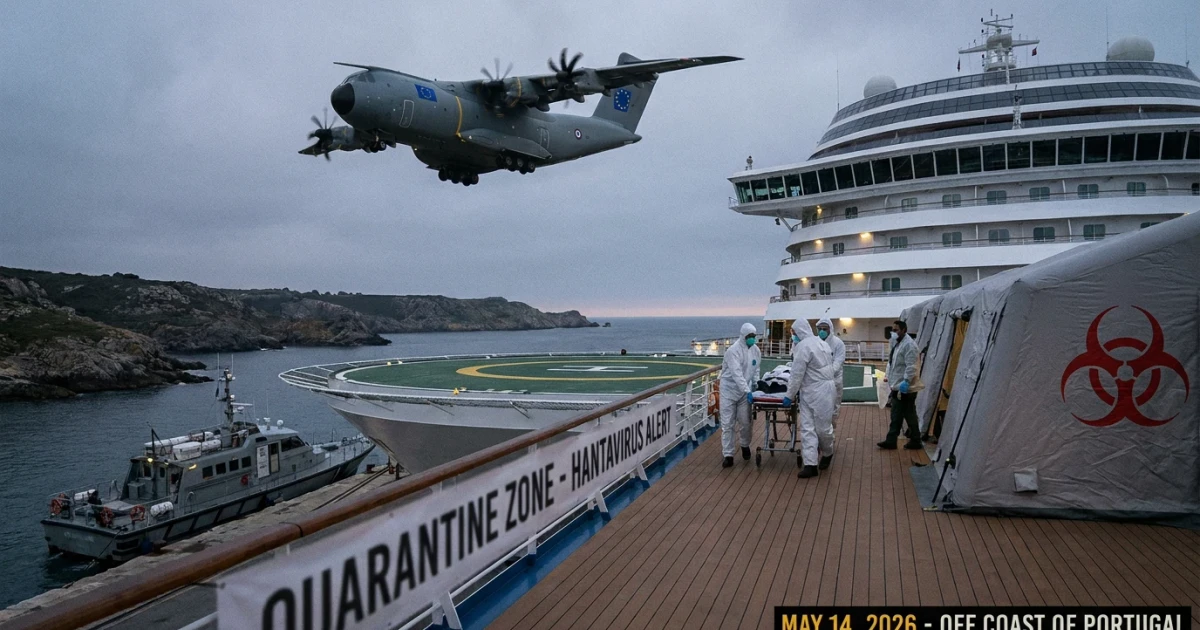
Several European countries have announced plans to send government-chartered planes to evacuate their citizens from a cruise ship quarantined after an outbreak of hantavirus infection. The decision, first reported by Reuters, marks a swift and coordinated response to a rare but potentially serious public health emergency impacting travelers from across the continent.
Coordinated Repatriation Efforts
Reuters reported that multiple European governments are preparing to deploy aircraft to the affected cruise ship, which remains anchored off an unspecified port following the discovery of several confirmed cases of hantavirus among passengers and crew. The nationalities of those to be repatriated have not been publicly disclosed, but officials emphasized the priority is the safe and orderly return of citizens for medical screening and, if needed, treatment.
According to the European Centre for Disease Prevention and Control (ECDC), hantavirus infections in Europe are uncommon but can lead to severe respiratory or renal symptoms. While human-to-human transmission is rare, containment measures are critical to prevent further spread. The ECDC’s annual epidemiological report notes that outbreaks are typically associated with exposure to rodent droppings or urine, which are the primary vectors for the virus.
International Health Protocols Enacted
As the crisis unfolded, European authorities began coordinating with international health agencies. The European Medicines Agency (EMA) has outlined procedures for public health emergencies that include evacuation, quarantine, and repatriation when infectious disease risks occur abroad. These protocols, detailed in the EU’s public health crisis management framework, are designed to limit exposure and ensure rapid access to care for those affected.
Meanwhile, seven US states have also started preparations to receive Americans who may have been exposed to hantavirus, as reported by NBC News. This underscores the international nature of cruise ship outbreaks and the need for cross-border coordination in crisis response.
Understanding Hantavirus Risks
According to the World Health Organization, hantavirus infections are rare but can be severe, especially in individuals with underlying health conditions. Symptoms often include fever, muscle aches, and in severe cases, respiratory distress or kidney failure. The Centers for Disease Control and Prevention (CDC) provides detailed technical information on the virus, including its clinical presentation and routes of transmission.
European health officials are conducting risk assessments to determine the extent of exposure on the cruise ship, and all evacuees are expected to undergo medical screening and quarantine upon arrival in their home countries. Surveillance data compiled by the CDC show that while Europe reports fewer than 1,000 cases of hantavirus annually, outbreaks can strain local health systems and spark significant public concern.
- Hantavirus is primarily spread by contact with infected rodent droppings, urine, or saliva.
- Human-to-human transmission is considered very rare outside of specific strains found in South America.
- There is no specific treatment for hantavirus, but early supportive care improves outcomes.
Next Steps and Ongoing Response
As the evacuation process begins, European and international health authorities will continue to monitor the situation closely. The WHO Europe interactive map is tracking the cruise ship outbreak among other ongoing health emergencies. Passengers and crew are being advised on preventive measures, and public health guidance is being updated as new information emerges.
The incident highlights both the challenges of containing infectious diseases in global travel settings and the importance of rapid, coordinated action. As more is learned about the outbreak’s source and scope, authorities stress the importance of vigilance and adherence to public health protocols to protect both evacuees and their home communities.