Business
European markets tumble as Trump comments rekindle inflation fears
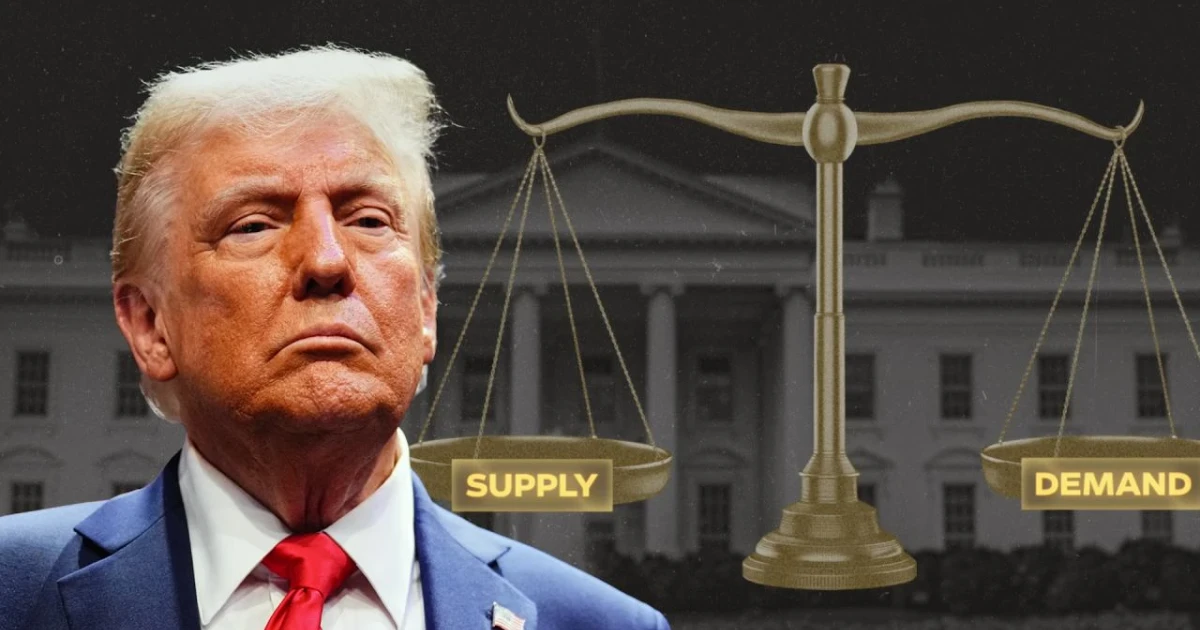
European stocks dropped sharply on Wednesday, with the STOXX 600 falling 1.8% to 634.91 points, its steepest one-day decline since mid-March and its lowest level in a week. The selloff hit just as investors had become more comfortable that inflation pressure was easing and that the European Central Bank might not need to keep lifting rates. For U.S. households with retirement money in global funds, the move was a reminder that a jump in oil prices abroad can quickly ripple into asset prices at home and complicate the path for future rate cuts.
The trigger was a fresh mix of geopolitics and trade threats. Donald Trump said he had ordered Treasury Secretary Scott Bessent to cut off all trade with Spain and called Madrid a “terrible partner,” after Spain refused to commit to NATO’s new defense-spending target of 5% of GDP. That came alongside renewed tension in the Middle East, which revived fears that oil prices could climb again and feed into broader inflation. Traders quickly adjusted, pricing in about 42 basis points of European Central Bank hikes this year, up from 25 basis points on Tuesday.

Spain took the hardest hit. The IBEX fell 2.7%, its worst day since early March, as investors dumped Spanish assets after Trump’s comments escalated pressure on allies during the NATO summit. The reaction showed how quickly political rhetoric can hit markets that had been trading on a calmer economic outlook. What looked like a local dispute over defense spending turned into a wider warning about transatlantic relations, sanctions risk and the possibility that energy markets could tighten further.

The damage was not limited to Spain. Energy shares rose as crude prices climbed, but airlines and other fuel-sensitive stocks sold off, with Air France and Wizz Air among the names that fell sharply. Broader sectors including basic resources, construction and materials also weakened. That pattern matters for U.S. investors because it points to a market that is once again reading headlines through the lens of inflation: higher fuel costs help energy producers, but they also threaten transportation costs, consumer spending and central bank easing plans. If oil remains elevated, the pressure could spill into U.S. inflation data and make it harder for the Federal Reserve to justify aggressive rate cuts.