Technology
European militaries race to build AI wingman drones
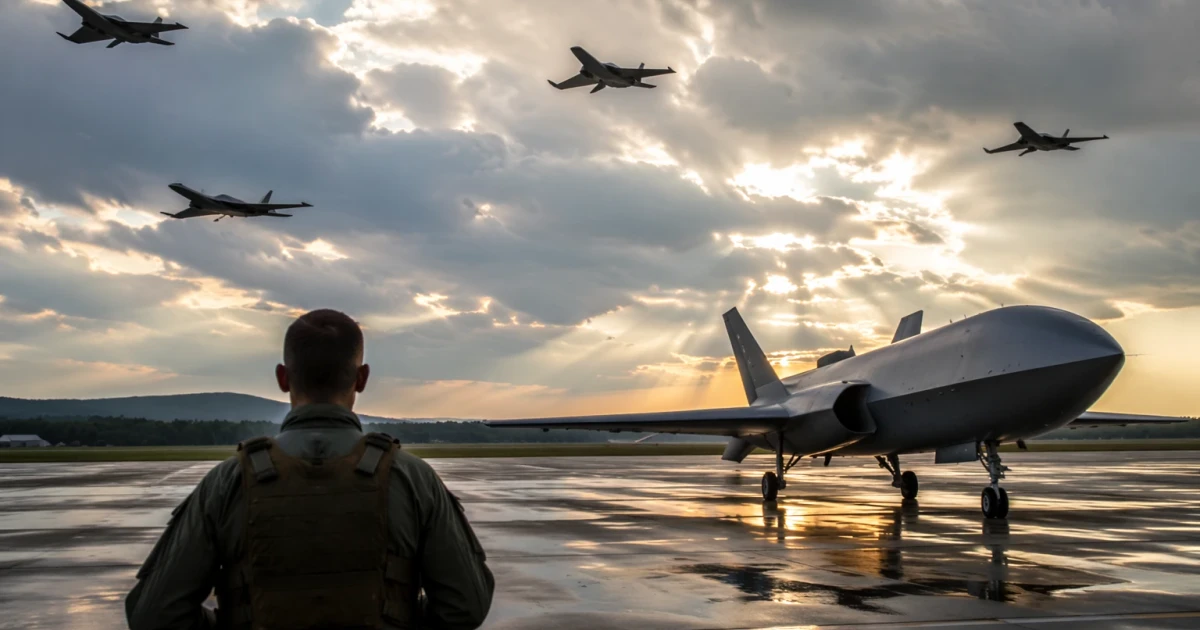
At Berlin’s ILA airshow, the centerpiece was not a new fighter but a new kind of helper: the wingman drone. Airbus, Boeing, Helsing and General Atomics all used the show to push AI-assisted aircraft designed to fly alongside crewed jets, carry extra sensors, jammers and weapons, and feed pilots decision-quality data instead of replacing them.
The pitch marks a shift in air power doctrine as much as hardware. Europe’s militaries are increasingly treating collaborative combat aircraft as force multipliers that can fly ahead of manned platforms, extend reach and absorb risk, while commanders on the ground look for more mass at lower cost. The war in Ukraine has made the value of drones and electronic warfare impossible to ignore, pushing the market toward systems that are cheaper, software-driven and easier to upgrade than exquisite crewed fighters alone.
Boeing and Rheinmetall said on March 31 that the MQ-28 Ghost Bat had already flown more than 150 flights, underlining how far the program had advanced before it was even being marketed more broadly in Europe. Boeing then said on June 10 that it had expanded its German MQ-28 industry team to include Diehl Defence and Rohde & Schwarz, with Diehl exploring weapons integration and technical support and Rohde & Schwarz helping shape the digital environment and communications architecture in Germany. Boeing has described the Ghost Bat as an unmanned jet built to enhance manned aircraft, and its open, modular architecture is meant to let engineers in Germany and Australia test and validate software and hardware upgrades continuously.
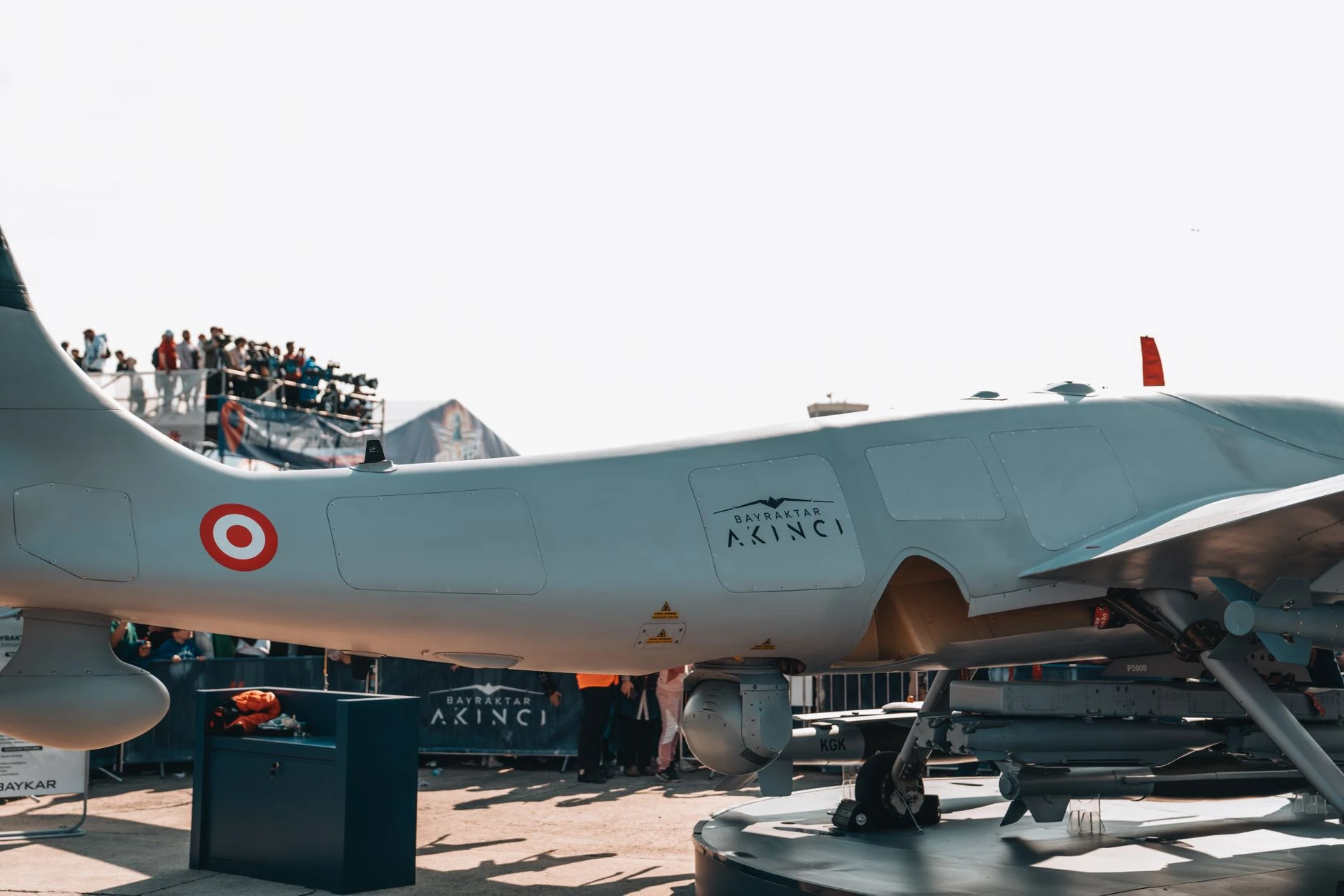
Airbus made the same strategic argument from a different angle. On June 9, the company said it was presenting one of Europe’s most comprehensive and versatile uncrewed-aircraft portfolios at ILA Berlin, then unveiled the U760 Ravenstorm loyal-wingman concept. The message was unmistakable: Europe is no longer treating wingmen as experimental side projects, but as a core part of future air combat.
General Atomics brought its own evidence that the field is moving. On May 21, the company said the YFQ-42A Collaborative Combat Aircraft had returned to flight testing after a pause triggered by an April 6 mishap and subsequent safety reviews and software enhancements. Helsing, meanwhile, said its AI backbone for the Future Combat Air System is already operational and being used by more than 50 pilot users across ten organizations. Stephanie Lingemann said the AI “brain” of the system needs to be controlled in a sovereign fashion.
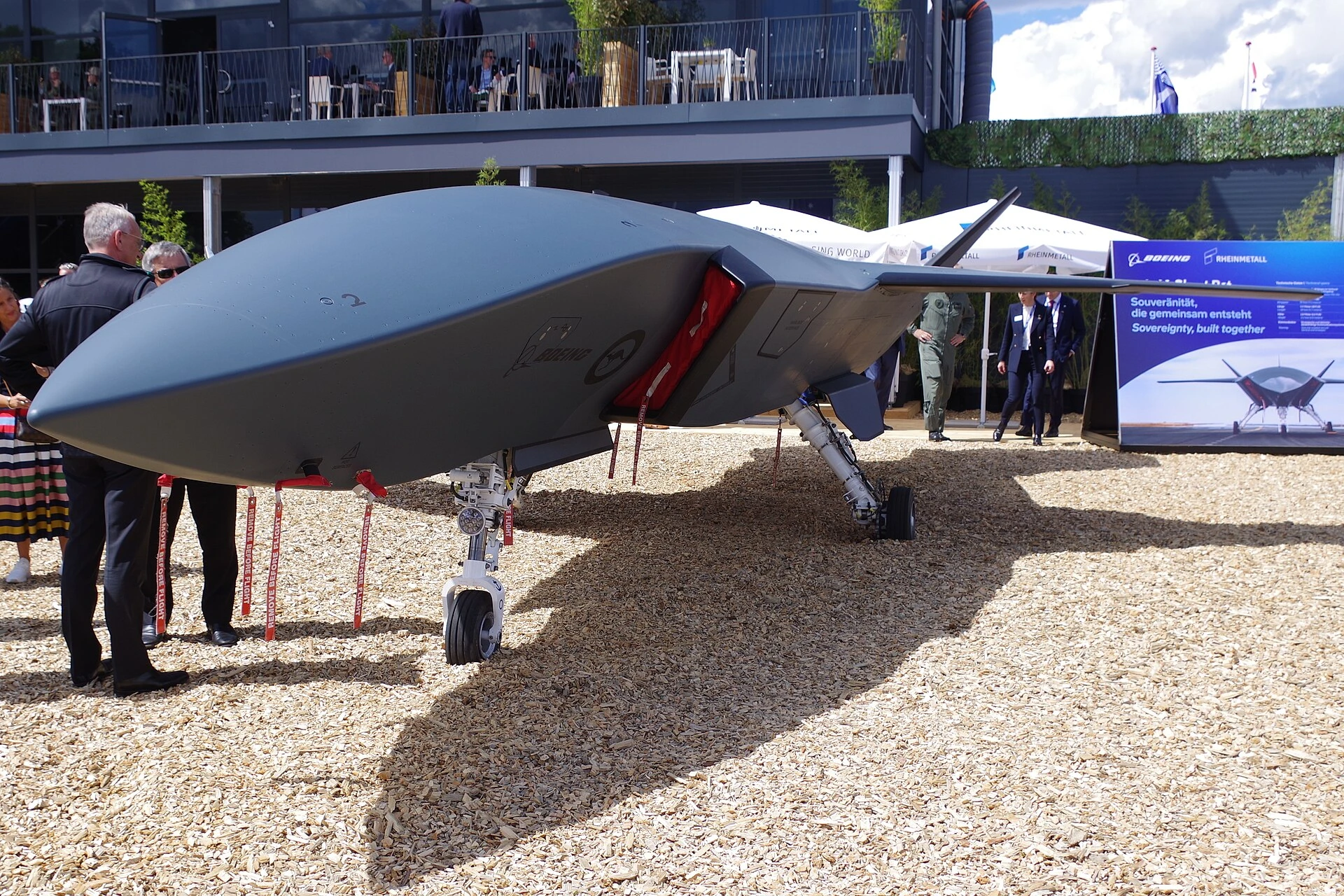
That sovereignty debate hangs over the whole field. Germany and France have shelved one version of their joint fighter project, but they are trying to preserve related work through drones and a data network. None of these systems is combat-ready yet. Boeing says its German version could enter service by 2029, while Airbus says its model will not arrive until the 2030s. Even so, Berlin showed that Europe’s rearmament is moving toward autonomous, AI-enabled air power built for numbers, flexibility and survivability, not just speed and stealth.
Sources
- [1]defensenews.com
- [2]rheinmetall.com
- [3]boeing.mediaroom.com
- [4]ga.com
- [5]airbus.com
- [6]helsing.ai