World
European Parliament backs offshore detention in migration overhaul
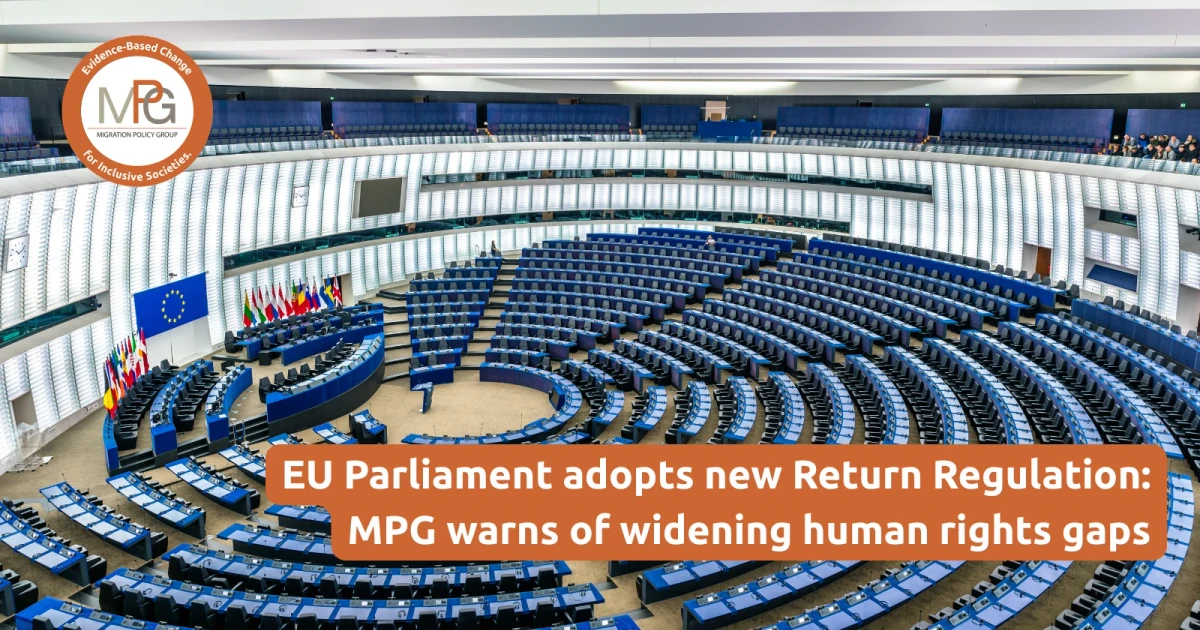
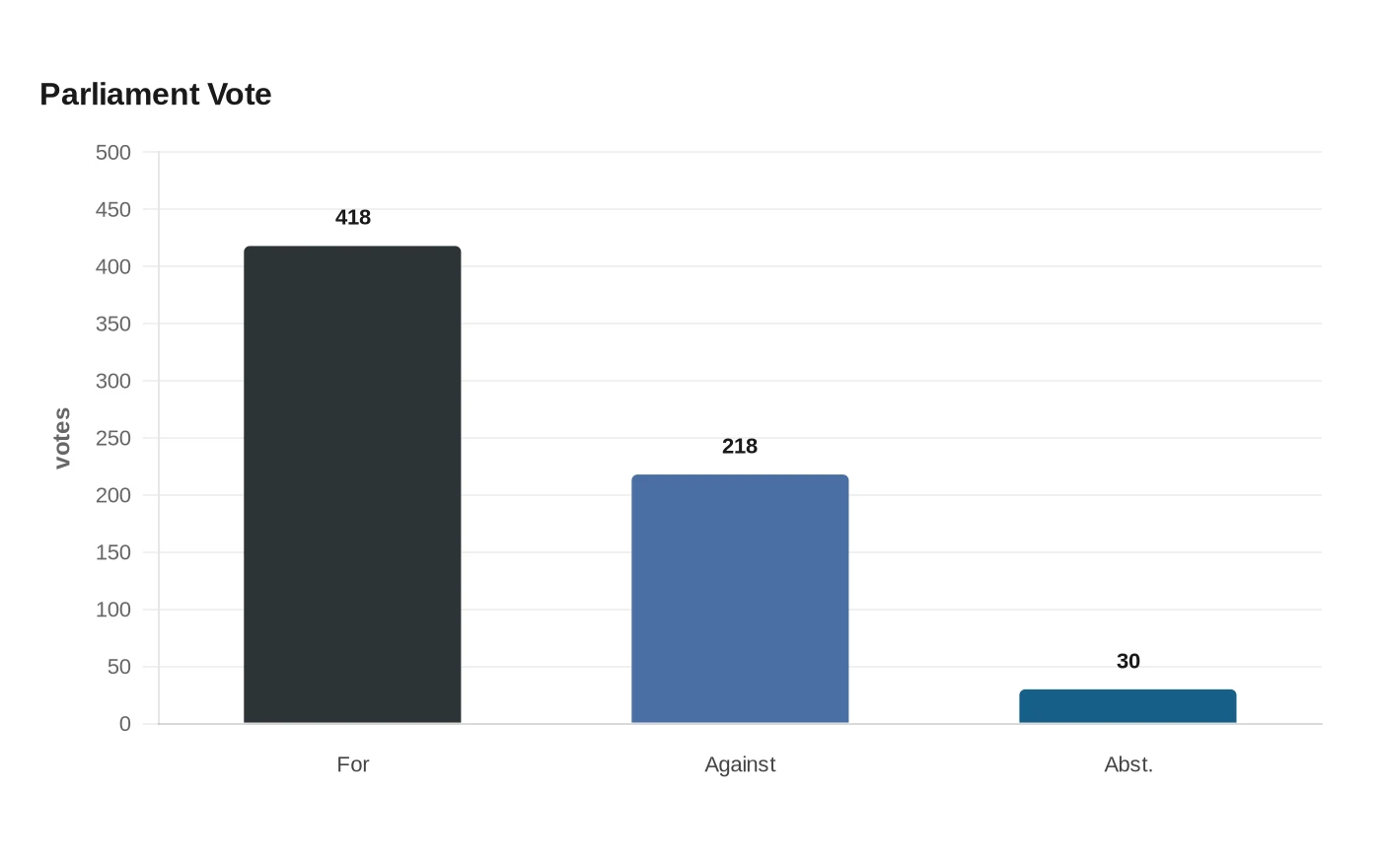
The European Parliament has moved the EU closer to offshore detention, approving a return-regulation overhaul that would let member states send irregular migrants to facilities in third countries. The vote in Strasbourg passed 418 to 218, with 30 abstentions, turning a migration debate about numbers into a wider test of how far Europe is willing to push responsibility beyond its own borders.
The measure is part of the EU Pact on Migration and Asylum and follows a provisional deal struck between the Council of the European Union and Parliament negotiators on June 1. Parliament says the new rules are meant to speed up return procedures, prevent abuses and unauthorized movements within the EU, and make removals more effective across the bloc. An EPRS briefing said the return hubs could become possible by July 2026 if the law completes the final steps and enters into force on schedule.

That prospect has triggered immediate backlash from rights groups. Amnesty International said Parliament had voted to expand “punitive and restrictive detention and deportation plans” and argued the deal was rushed through without adequate scrutiny or meaningful human-rights assessments. Amnesty also said the Commission had discarded the return-hubs concept in 2018, making its revival a sign of how far the policy debate has shifted.
The politics behind the vote are just as significant as the procedure. European Commission migration chief Magnus Brunner has framed the reforms as a way to regain control over who enters the EU and who must leave. At the same time, Green MEP Erik Marquardt warned that parts of the discussion were shaped by far-right pressure and by the language of “remigration” associated with the Alternative for Germany. That tension captures the new center of gravity in European migration politics: stricter enforcement now carries more mainstream support than it did a decade ago.

The practical test will come fast. Return hubs depend on agreements with third countries, which means costs, legal enforceability and diplomatic leverage will all matter long before the first transfer can happen. Even then, the model will face likely court challenges over detention conditions, access to asylum procedures and whether Europe is outsourcing obligations rather than sharing them. The broader pact already includes new asylum rules applying from June 2026, including an EU-wide list of safe countries of origin such as Bangladesh, Colombia, Egypt, Kosovo, India, Morocco and Tunisia, a sign that the bloc is tightening screening and speeding removals at the same time.
For the EU, the vote is more than a technical change to return law. It is a signal that migration policy is being recast around deterrence, externalization and control, with the burden of enforcement pushed farther from Europe’s own territory.
Sources
- [1]thestar.com.my
- [2]europarl.europa.eu
- [3]consilium.europa.eu
- [4]amnesty.org
- [5]dw.com
- [6]home-affairs.ec.europa.eu
- [7]reuters.com